When the Irish Farmers Journal spoke to Henry Dunne, chair of the IFA Liquid Milk committee last week, he was busy sheeting down his maize pit.
As one of the almost 1,200 liquid milk farmers left in Ireland, Dunne needs to feed his cows the best quality feed as possible over the winter months, despite the higher costs associated with growing maize.
It’s just one example of the higher costs associated with liquid, or winter milk production.
Incidentally, the maize crop was good this year with the early analysis showing starch at 33%, dry matter at 34.5% and protein at 7.5%, so the Wexford based farmer is happy with that.
The last few years have been relatively good for the liquid milk market in Ireland.
Overall consumption of fresh milk is relatively stable, although in real terms consumption per capita is obviously declining as population increase doesn’t seem to be affecting demand.
For example, there was 567m litres of milk consumed in Ireland in 2010 and 564m litres consumed in Ireland last year, despite the population increasing by 18% in the interim.
Shop shelves
The big change in recent years is that retailers grip on the price of milk has slipped, leading to widespread increases in milk price on the shop shelves. A share of this increase has gone back to the farmer producers, which is positive.
According to the National Milk Agency, the retail price of milk in Ireland has increased from 89c per litre in 2019 to €1.16 per litre in 2024 – a 30% increase.
While consumers are understandably concerned about price rises, the IFA and others have pointed out that the price of milk was more or less unchanged in the 20 years prior to 2020.
I put it to Dunne that the sector is in a good position, with producers and processors both making a margin on liquid milk.
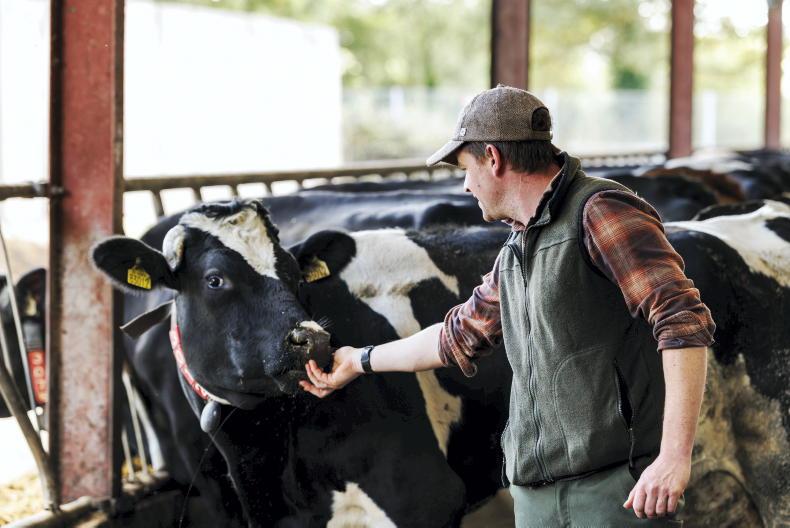
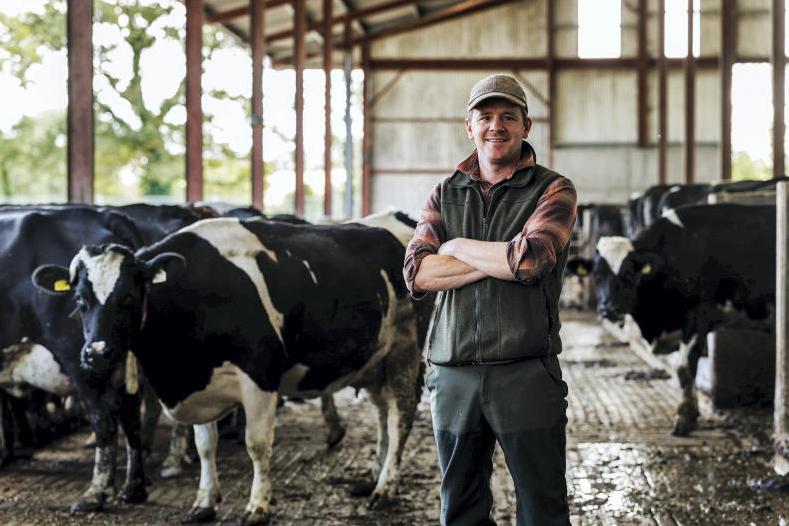
IFA Liquid Milk Chair Henry Dunne on his farm outside Enniscorthy in Co Wexford. \ Philip Doyle
“We needed retailers to increase the price of milk on the shelves, which they have done and they have held the price. The co-ops have been able to benefit from this and pass some of it back to their liquid milk suppliers,” he said.
Over the next few months, the liquid milk committee in IFA will be negotiating new liquid milk premiums with the major milk processors.
While Tirlán offer a two-year agreement which is linked to the CSO agricultural input cost index, the rest of the processors negotiate on a year-to-year basis.
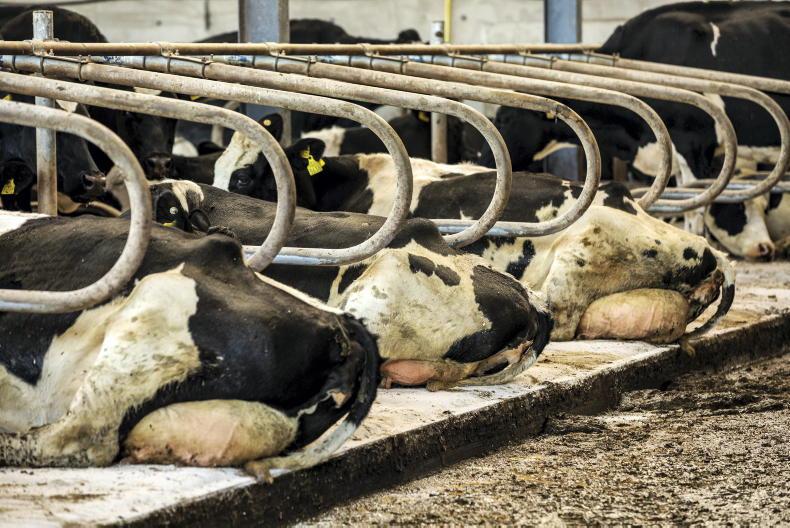
Teagasc held the second in their winter milk farm walks on the farm of dairy farmer Donal Murphy from Ballycarney, Enniscorthy, Co Wexford. The looked at breeding and fertility, contolling costs and the targets farmers should be looking to achieve to maximise output. \ Philip Doyle
The typical winter milk bonus paid last winter for contracted supplies was in the order of 10c/l to 13c/l, depending on the criteria and quality specifications set by the different co-ops.
Dunne says they need the same again and more: “The bonus this winter needs to be in the low double digits. Teagasc figures for the cost of production on manufacturing milk farms is around 36 to 37c/l and we know that winter milk producers have higher costs with extra feed, labour, housing and slurry costs.
“We need to be retaining at least 10c/l to make it attractive and viable to produce milk over the winter.
“There has been a consistent decline in the numbers of farmers producing liquid milk which shows that the sector needs the extra support in milk price to make it attractive and sustainable,” he said.
The recent decline in the base price for milk is a big worry for Dunne, coming as it does while liquid milk producers face into their busiest and most expensive months.
“The next six months could be very challenging for the liquid milk sector. I didn’t think that the milk price cuts that have been announced would be as drastic as they are. While the liquid milk bonus is important, the base price has a huge effect as the bonus is on top of the base manufacturing price,” he said.
Nitrates is another big challenge for the winter/liquid milk sector.
The fact that on average, liquid milk herds run higher stocking rates and have high milk yield per cow, means that the impact of recent changes hits producers harder than it does for the typical manufacturing milk producer.
Prior to the introduction of banding, dairy farms could be stocked at 250kg N/ha, with each dairy cow deemed to produce 89kg of organic N/year.
This meant that the maximum overall stocking rate could be 2.8 cows/ha.
After banding, which saw the nitrogen excretion rate for higher yielding cows go to 106kg N/year and the maximum stocking rate drop to 220kg N/ha the maximum overall stocking rate fell to 2.07 cows/ha, a 26% reduction.
For herds to retain existing stock numbers, additional land had to be leased in or slurry exported.
Another big change which has a greater impact on liquid milk suppliers is the changes to the rules around soiled water storage.
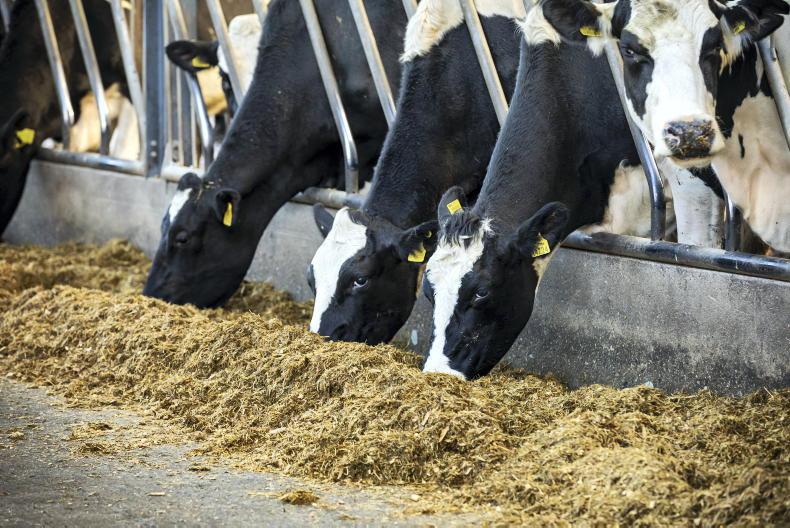
Teagasc held the second in their winter milk farm walks on the farm of dairy farmer Donal Murphy from Ballycarney, Enniscorthy, Co Wexford. The looked at breeding and fertility, contolling costs and the targets farmers should be looking to achieve to maximise output. \ Philip Doyle
“This is the first year that no soiled water can be spread on land during the full month of December which is placing a big burden on liquid milk producers to have enough soiled water storage,” he said.
Dunne said the challenges around making a margin and nitrates is having a negative impact on generational renewal and attracting young people into the liquid milk sector.
Many farmers have exited the sector to focus on manufacturing milk where there is the possibility of a better lifestyle and more seasonal workload.
“Many of us have been born into the liquid milk sector and we want to keep it going.
“I suppose it’s relatively easy for a supplier that has robots to milk over the winter, but it’s more challenging for others, particularly younger farmers who value the work/life balance,” he said.
Thirty per cent of liquid milk imported
According to the National Milk Agency, 30% of the liquid milk consumed in Ireland is imported.
The vast majority of this “imported” milk comes from Northern Ireland-based processor Strathroy, who source some of their milk pool in the south and is sold on Irish shop shelves without the National Dairy Council (NDC) logo.
There are a number of contradictions in the above statements, given Ireland’s negotiating position around Brexit as being an all-island food hub, where dairy and animal produce moves freely north and south of the border.
How then, can milk from Northern Ireland be considered imported?
The liquid milk sector in the Republic has, quite understandably, been protective of its product in the face of competition from Northern Ireland processors.
The development of the NDC logo and the branding and advertising around that logo has cost considerable sums to develop and promote. This investment is on top of the investment in well-known milk brands such as Avonmore, Champion, Clona, etc.
For producers and processors in the Republic, the NDC logo offers a distinction between milk of essentially the same standard, albeit produced in a different part of the island.
The only real difference between northern milk and southern milk is the milk price paid to suppliers during the winter months.
Milk produced in the north gets a flat rate winter bonus in the region of 2p/l to 4p/l while liquid milk suppliers in the south get over 10c/l of a winter milk bonus on contracted volumes.
The milk supply curve in Northern Ireland is flatter than in the south, meaning there is a lot more fresh milk produced over the winter months in Northern Ireland anyway so processors aren’t required to pay as high of a bonus in order to incentivise winter milk production.
The labelling of milk produced in Northern Ireland and sold in the republic as “imported” is jarring for many farmers in both jurisdictions and a source of ire for Northern processors too.
Standards
There is no doubt that double standards are being applied, considering that truckloads of manufacturing milk travels south of the border each day and the products made from this milk are considered as Irish as milk produced in say Cork.
From a consumer perspective, milk which doesn’t have the NDC logo generally trades at a discount to milk with the NDC logo.
With increased focus on cost of living, it’s possible that more consumers will be opting for cheaper milk over the coming months which might lead to an increase in the “imported” milk category.
Ultimately, from a farmers’ perspective in whatever part of the island they’re in, the objective should be to maximise the returns from the market.
It doesn’t serve farmers in any part of the island for milk to be sold at a discount. The question is, what can be done about it?
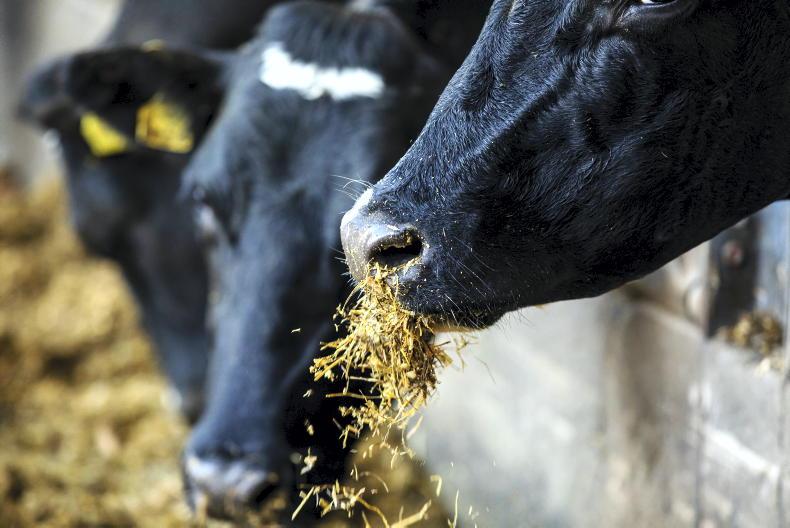
Teagasc held the second in their winter milk farm walks on the farm of dairy farmer Donal Murphy from Ballycarney, Enniscorthy, Co Wexford. The looked at breeding and fertility, contolling costs and the targets farmers should be looking to achieve to maximise output. \ Philip Doyle
When the Irish Farmers Journal spoke to Henry Dunne, chair of the IFA Liquid Milk committee last week, he was busy sheeting down his maize pit.
As one of the almost 1,200 liquid milk farmers left in Ireland, Dunne needs to feed his cows the best quality feed as possible over the winter months, despite the higher costs associated with growing maize.
It’s just one example of the higher costs associated with liquid, or winter milk production.
Incidentally, the maize crop was good this year with the early analysis showing starch at 33%, dry matter at 34.5% and protein at 7.5%, so the Wexford based farmer is happy with that.
The last few years have been relatively good for the liquid milk market in Ireland.
Overall consumption of fresh milk is relatively stable, although in real terms consumption per capita is obviously declining as population increase doesn’t seem to be affecting demand.
For example, there was 567m litres of milk consumed in Ireland in 2010 and 564m litres consumed in Ireland last year, despite the population increasing by 18% in the interim.
Shop shelves
The big change in recent years is that retailers grip on the price of milk has slipped, leading to widespread increases in milk price on the shop shelves. A share of this increase has gone back to the farmer producers, which is positive.
According to the National Milk Agency, the retail price of milk in Ireland has increased from 89c per litre in 2019 to €1.16 per litre in 2024 – a 30% increase.
While consumers are understandably concerned about price rises, the IFA and others have pointed out that the price of milk was more or less unchanged in the 20 years prior to 2020.
I put it to Dunne that the sector is in a good position, with producers and processors both making a margin on liquid milk.
IFA Liquid Milk Chair Henry Dunne on his farm outside Enniscorthy in Co Wexford. \ Philip Doyle
“We needed retailers to increase the price of milk on the shelves, which they have done and they have held the price. The co-ops have been able to benefit from this and pass some of it back to their liquid milk suppliers,” he said.
Over the next few months, the liquid milk committee in IFA will be negotiating new liquid milk premiums with the major milk processors.
While Tirlán offer a two-year agreement which is linked to the CSO agricultural input cost index, the rest of the processors negotiate on a year-to-year basis.
Teagasc held the second in their winter milk farm walks on the farm of dairy farmer Donal Murphy from Ballycarney, Enniscorthy, Co Wexford. The looked at breeding and fertility, contolling costs and the targets farmers should be looking to achieve to maximise output. \ Philip Doyle
The typical winter milk bonus paid last winter for contracted supplies was in the order of 10c/l to 13c/l, depending on the criteria and quality specifications set by the different co-ops.
Dunne says they need the same again and more: “The bonus this winter needs to be in the low double digits. Teagasc figures for the cost of production on manufacturing milk farms is around 36 to 37c/l and we know that winter milk producers have higher costs with extra feed, labour, housing and slurry costs.
“We need to be retaining at least 10c/l to make it attractive and viable to produce milk over the winter.
“There has been a consistent decline in the numbers of farmers producing liquid milk which shows that the sector needs the extra support in milk price to make it attractive and sustainable,” he said.
The recent decline in the base price for milk is a big worry for Dunne, coming as it does while liquid milk producers face into their busiest and most expensive months.
“The next six months could be very challenging for the liquid milk sector. I didn’t think that the milk price cuts that have been announced would be as drastic as they are. While the liquid milk bonus is important, the base price has a huge effect as the bonus is on top of the base manufacturing price,” he said.
Nitrates is another big challenge for the winter/liquid milk sector.
The fact that on average, liquid milk herds run higher stocking rates and have high milk yield per cow, means that the impact of recent changes hits producers harder than it does for the typical manufacturing milk producer.
Prior to the introduction of banding, dairy farms could be stocked at 250kg N/ha, with each dairy cow deemed to produce 89kg of organic N/year.
This meant that the maximum overall stocking rate could be 2.8 cows/ha.
After banding, which saw the nitrogen excretion rate for higher yielding cows go to 106kg N/year and the maximum stocking rate drop to 220kg N/ha the maximum overall stocking rate fell to 2.07 cows/ha, a 26% reduction.
For herds to retain existing stock numbers, additional land had to be leased in or slurry exported.
Another big change which has a greater impact on liquid milk suppliers is the changes to the rules around soiled water storage.
Teagasc held the second in their winter milk farm walks on the farm of dairy farmer Donal Murphy from Ballycarney, Enniscorthy, Co Wexford. The looked at breeding and fertility, contolling costs and the targets farmers should be looking to achieve to maximise output. \ Philip Doyle
“This is the first year that no soiled water can be spread on land during the full month of December which is placing a big burden on liquid milk producers to have enough soiled water storage,” he said.
Dunne said the challenges around making a margin and nitrates is having a negative impact on generational renewal and attracting young people into the liquid milk sector.
Many farmers have exited the sector to focus on manufacturing milk where there is the possibility of a better lifestyle and more seasonal workload.
“Many of us have been born into the liquid milk sector and we want to keep it going.
“I suppose it’s relatively easy for a supplier that has robots to milk over the winter, but it’s more challenging for others, particularly younger farmers who value the work/life balance,” he said.
Thirty per cent of liquid milk imported
According to the National Milk Agency, 30% of the liquid milk consumed in Ireland is imported.
The vast majority of this “imported” milk comes from Northern Ireland-based processor Strathroy, who source some of their milk pool in the south and is sold on Irish shop shelves without the National Dairy Council (NDC) logo.
There are a number of contradictions in the above statements, given Ireland’s negotiating position around Brexit as being an all-island food hub, where dairy and animal produce moves freely north and south of the border.
How then, can milk from Northern Ireland be considered imported?
The liquid milk sector in the Republic has, quite understandably, been protective of its product in the face of competition from Northern Ireland processors.
The development of the NDC logo and the branding and advertising around that logo has cost considerable sums to develop and promote. This investment is on top of the investment in well-known milk brands such as Avonmore, Champion, Clona, etc.
For producers and processors in the Republic, the NDC logo offers a distinction between milk of essentially the same standard, albeit produced in a different part of the island.
The only real difference between northern milk and southern milk is the milk price paid to suppliers during the winter months.
Milk produced in the north gets a flat rate winter bonus in the region of 2p/l to 4p/l while liquid milk suppliers in the south get over 10c/l of a winter milk bonus on contracted volumes.
The milk supply curve in Northern Ireland is flatter than in the south, meaning there is a lot more fresh milk produced over the winter months in Northern Ireland anyway so processors aren’t required to pay as high of a bonus in order to incentivise winter milk production.
The labelling of milk produced in Northern Ireland and sold in the republic as “imported” is jarring for many farmers in both jurisdictions and a source of ire for Northern processors too.
Standards
There is no doubt that double standards are being applied, considering that truckloads of manufacturing milk travels south of the border each day and the products made from this milk are considered as Irish as milk produced in say Cork.
From a consumer perspective, milk which doesn’t have the NDC logo generally trades at a discount to milk with the NDC logo.
With increased focus on cost of living, it’s possible that more consumers will be opting for cheaper milk over the coming months which might lead to an increase in the “imported” milk category.
Ultimately, from a farmers’ perspective in whatever part of the island they’re in, the objective should be to maximise the returns from the market.
It doesn’t serve farmers in any part of the island for milk to be sold at a discount. The question is, what can be done about it?
Teagasc held the second in their winter milk farm walks on the farm of dairy farmer Donal Murphy from Ballycarney, Enniscorthy, Co Wexford. The looked at breeding and fertility, contolling costs and the targets farmers should be looking to achieve to maximise output. \ Philip Doyle







SHARING OPTIONS