Weather
There are many crops in need of rain at present and while some has come, more is needed to keep better yield potential in crops. However, it is important to focus on the things that can be controlled.
Recent weather has helped to reduce disease pressure, but crops are also stressed, and once rain comes disease pressure could be high again.
Some late-sown crops may not be long after receiving a fungicide and farmers should assess their crops and the spend on them. It’s a fine line to get right. Making the decision to cut inputs is a big one.
Spring barley
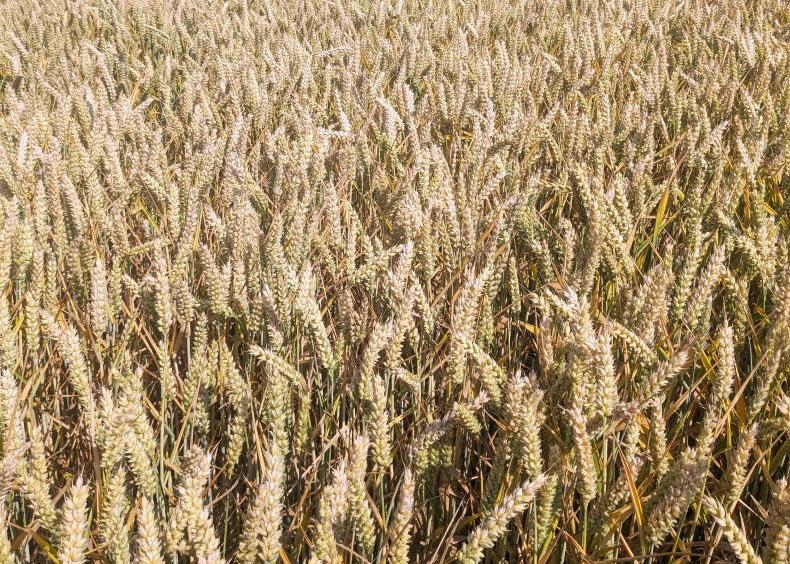
Early-April sown crops are now mostly at the time for final fungicide. Late-April sown crops are quickly catching up, and are most likely getting to this stage as well.
Awns should be out when applying this fungicide. Go with an SDHI, triazole and folpet.
On later sown crops there may be an opportunity to apply just one fungicide if none has been applied yet. Otherwise consider cutting back. Remember folpet is needed for ramularia. Most of the newer varieties are fairly clean.
Planet is showing disease so keep an eye on it. It will need a good fungicide programme for straw strength as well.
Beans
Many April sown crops are now in flower and the first fungicide should be applied at the beginning of flowering. Second sprays have been applied to some February-sown crops. Many later-sown crops need water and will be under some stress.
High temperatures
This week high temperatures have prevailed. Try to spray in the cooler parts of the day to avoid stressing the crop. Keep an eye out for showers. This mix of weather is ideal for disease, so getting out with fungicides is important.
Whole crop
As the drought has reduced grass growth, some livestock farmers will be looking to top up their feed reserves. Some will be enquiring about wholecrop.
This is worth considering, but make sure that you agree a price, method of payment and terms and conditions before the crop is cut. You will need to agree the average or expected yield and be paid for the income you would expect for the grain and straw. You will of course save on harvesting costs.
Remember, taking out a crop early can allow a crop like oilseed rape to be established early, or it can allow a cover crop to be planted which could also be grazed or cut by the livestock farmer. This can help fill the fodder deficit and improve your soil health.
Crops and Cover Crop Cultivations
Next week all roads lead to Teagasc, Oak Park, Co Carlow, where the Irish Farmers Journal has teamed up with Teagasc to bring you an open day on Crops and Cover Crop Cultivations.
The event starts at 10am and has all the latest Teagasc research on show. A cover crop establishment demonstration will be held at 12pm, 1.30pm and 3.30pm, with different establishment methods and machinery on display.