Tillage management notes: Dryness to bring new crops challenges
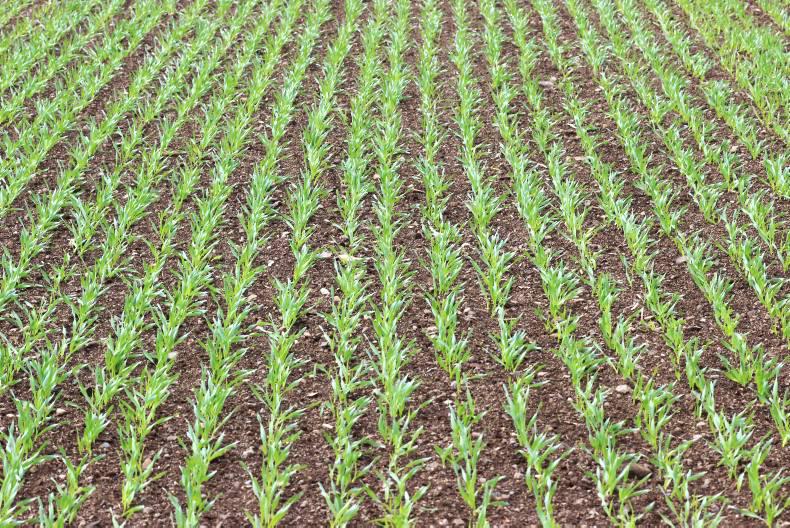
Continuing dry conditions are likely to cause establishment challenges for late-sown spring crops, increase micronutrient deficiencies and decrease wet-season disease infection pressure.
Dry conditions would cause farmers to question the benefit of applying N at the moment, but high soil mineral N levels indicate the need to deduce total applied rates this spring.
ADVERTISEMENT
Dry spell could be mixed blessings:
The rise in temperature is welcome but it may not be long until some crops begin to show consequences of dryness. Some crops already lack the lushness that might be associated with a warm damp April and this could get more acute in coming weeks.
Dryness is most likely helping to reduce infection pressure for wet season diseases like septoria, rhyncho and net blotch but it may help diseases like rusts. But the single wet day could still have caused serious problems.
ADVERTISEMENT
While rainfall amounts have been quite low for April, amounts have been variable. Micronutrient deficiency could be a particular issue for emerging spring crops but dryness could also exaggerate challenges in winter crops. If you can identify a deficiency correct it as soon as possible using foliar sprays. An ongoing deficiency is lost yield potential.
Dryness could also be a problem in later planted crops where ground got very dry and knobbly. Germination is uneven and crows and leather-jackets are problems. Roll well but be careful with emerging seedlings.
Register for free to read this story and our free stories.
This content is available to digital subscribers and loyalty code users only. Sign in to your account, use the code or subscribe to get unlimited access.
However, if you would like to share the information in this article, you may use the headline, summary and link below:
Title: Tillage management notes: Dryness to bring new crops challenges
Continuing dry conditions are likely to cause establishment challenges for late-sown spring crops, increase micronutrient deficiencies and decrease wet-season disease infection pressure.
The reader loyalty code gives you full access to the site from when you enter it until the following Wednesday at 9pm. Find your unique code on the back page of Irish Country Living every week.
CODE ACCEPTED
You have full access to the site until next Wednesday at 9pm.
CODE NOT VALID
Please try again or contact support.
Dry spell could be mixed blessings:
The rise in temperature is welcome but it may not be long until some crops begin to show consequences of dryness. Some crops already lack the lushness that might be associated with a warm damp April and this could get more acute in coming weeks.
Dryness is most likely helping to reduce infection pressure for wet season diseases like septoria, rhyncho and net blotch but it may help diseases like rusts. But the single wet day could still have caused serious problems.
While rainfall amounts have been quite low for April, amounts have been variable. Micronutrient deficiency could be a particular issue for emerging spring crops but dryness could also exaggerate challenges in winter crops. If you can identify a deficiency correct it as soon as possible using foliar sprays. An ongoing deficiency is lost yield potential.
Dryness could also be a problem in later planted crops where ground got very dry and knobbly. Germination is uneven and crows and leather-jackets are problems. Roll well but be careful with emerging seedlings.
If you would like to speak to a member of our team, please call us on 01-4199525.
Link sent to your email address
We have sent an email to your address. Please click on the link in this email to reset your password. If you can't find it in your inbox, please check your spam folder. If you can't find the email, please call us on 01-4199525.
ENTER YOUR LOYALTY CODE:
The reader loyalty code gives you full access to the site from when you enter it until the following Wednesday at 9pm. Find your unique code on the back page of Irish Country Living every week.







SHARING OPTIONS