




Grain markets have surged this week. The December price hit €252.50/t at Tuesday evening’s close. That was up €7.25/t on the day before. It had hit €253.50/t during the day.
On Wednesday, prices had dropped to €250.50/t. Corn was also down.
Markets across the EU, the UK and the US have been bullish and it’s hard to find negative commentators in places.
However, on Tuesday evening, Chicago Board of Trade (CBOT) prices dropped across the board. December CBOT wheat dropped 14.75c/bu to 787.75c/bu. On Wednesday, that dropped further to 766.75c/bu.
There are many things driving grain markets at present: reduced yields in the EU, forecast reduction in US wheat yields, the lack of an export route for grain out of the Black Sea, the threat of an El Nino to major grain producing regions and the increases in energy and fertiliser prices.
While it is hard to find bears in the market, they can quickly turn if more grain gains access to the market or if energy prices drop.
This week, there were reports that Turkey had prepared a plan for the safe passage of Ukrainian and Russian grain out of the Black Sea, but there were no reports of a route being secured.
Grain payments
Co-ops and merchants are paying on account at present. We have no news on when the co-ops will announce grain prices this year and it is hard to know when is the best time for that announcement. Will the price be up or down come October?
However, it is also important to note that while the price is not announced, it is unlikely merchants will announce their prices, so it is hard for merchants to sell grain who are not using it in a feed mill. If there is no grain in the market, then potential buyers will look elsewhere.
Yes, the solution to that is for them to offer a good price, but what is your good price? What are you willing to sell at? That is something all growers must sit down and think about.
One thing to keep in mind is that markets have increased rapidly in recent days and could go down rapidly, but prices do have underlying support.
There will be peaks and troughs in the market, as there always are.
Rapeseed
After a dip in price last week, November French rapeseed closed Tuesday at €556.75/t, but dropped €7/t on Wednesday morning to €549.75/t.
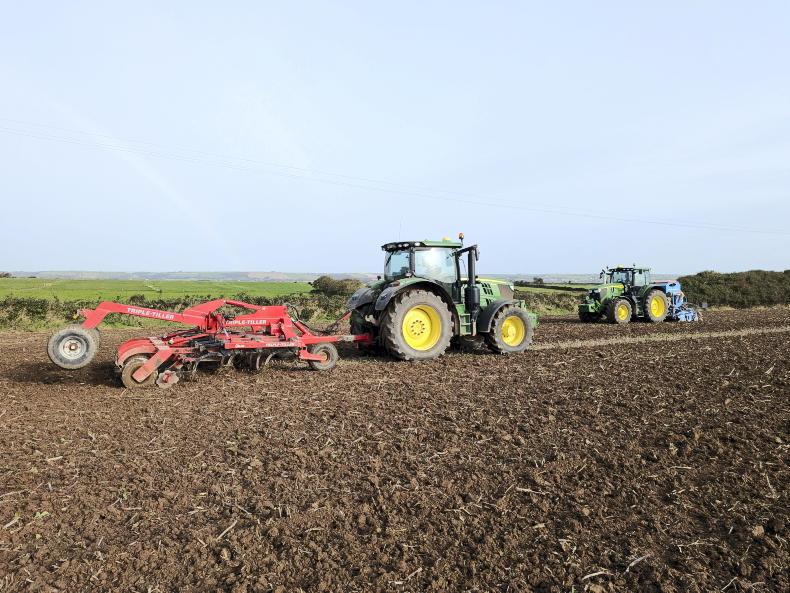
Many have been planting rapeseed in recent days and will continue to plant where weather allows.
Rain in parts of Europe is giving confidence for planting, but also for emergence and crop performance.
Australian rapeseed production is estimated down 5% this season. Oil prices were up on Wednesday, with new strikes reported between the US and Iran.





SHARING OPTIONS