



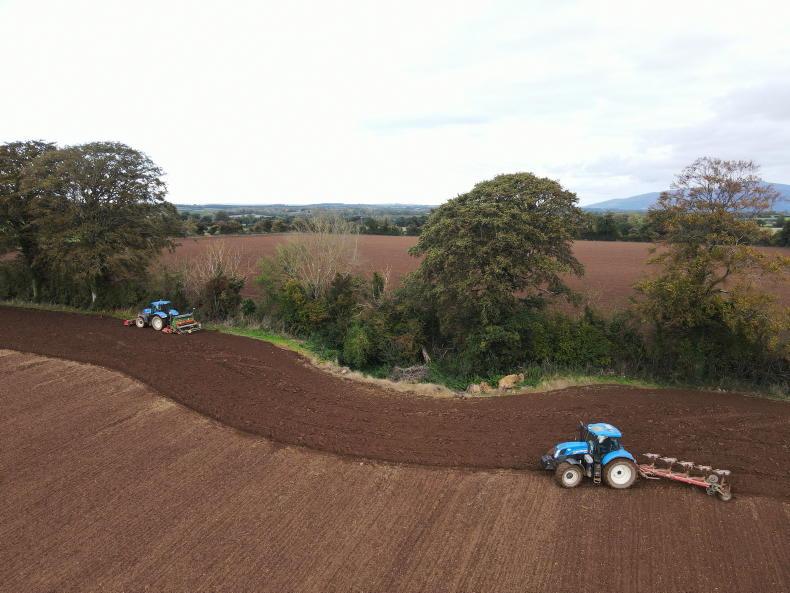
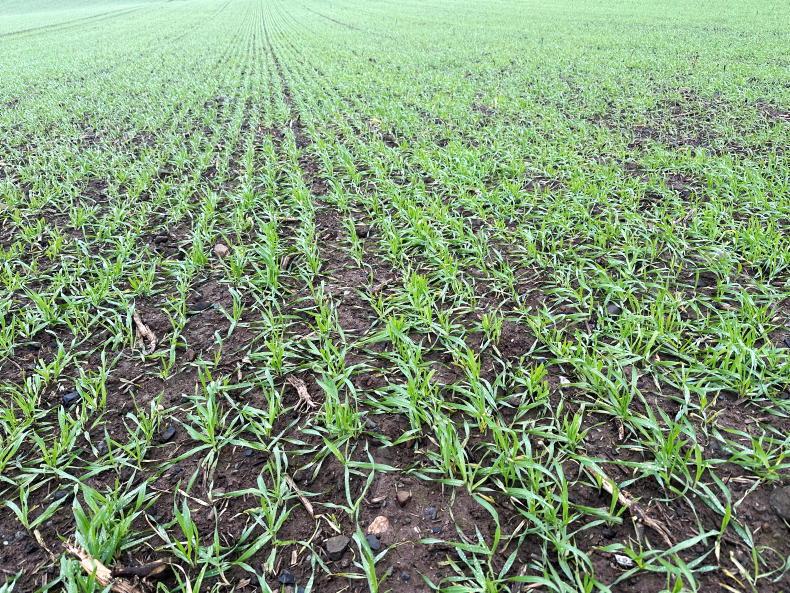
Winter cereal sowing is well under way across the country and as a new season begins, the From the Tramlines programme concludes for 2026 by asking the participating farmers to consider the year that’s gone by, what they have learned, what they’ll change next year and what their high and low points of the year are.
Dry weather for most of the harvest helped to ease the pressure, but it has been a challenging year for tillage farmers in many ways, from a wet spring that delayed fieldwork in some areas and a drought that curtailed the yields of many crops, to rising costs that have eroded the margins on tillage farms.
Stephen Wallace
Mountrath, Co Laois
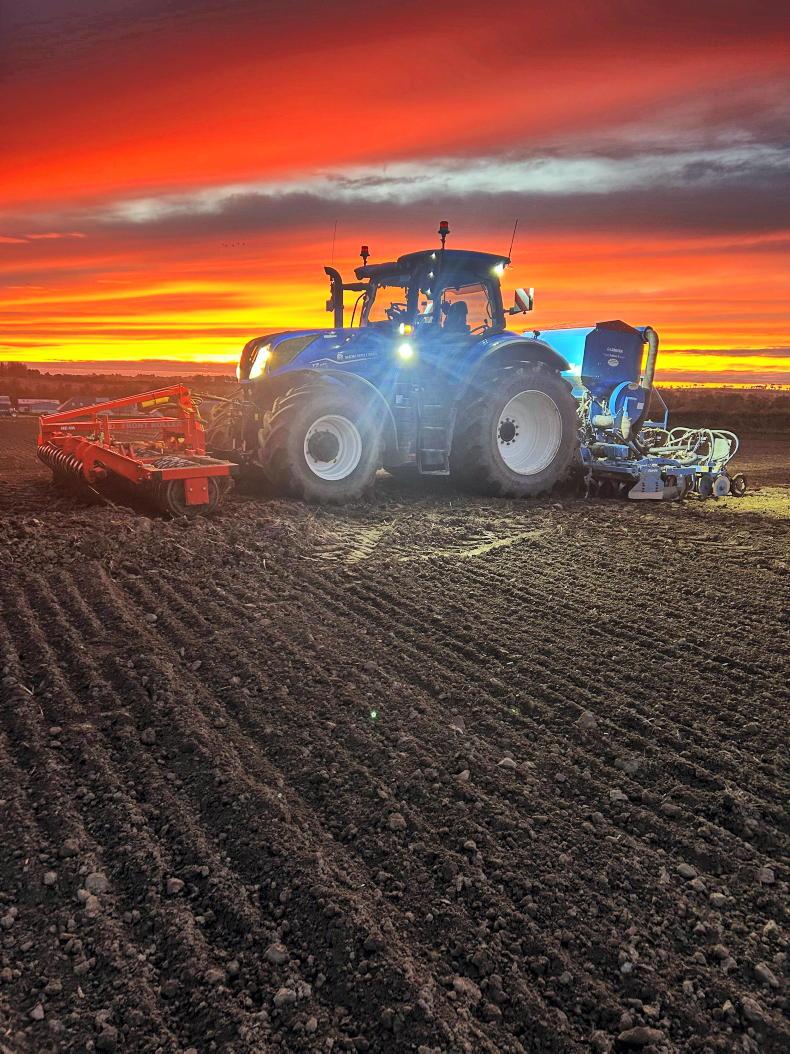
Stephen says he has learned to not wait too long to plant winter cereals on heavy land over the past year. Using disc coulters has also been a success for Stephen, ensuring a uniform seed depth.
It was the first year Stephen used liquid nitrogen. He was very happy with it, especially with the dry weather where it seemed to perform very well. However, Stephen notes that he will have to be a bit more careful when it comes to preventing leaf scorch.
Brian Crowley
Ballycotton, Co Cork
There were no major highs or lows for Brian this year. He says having a wide range of crops is great. If one does badly, another will usually do well to keep things on an even keel. He has learned not to panic in a wet spring where sowing is delayed. It’s better to wait for a good seedbed rather than mucking in crops and causing compaction, especially when in a min-till system. Brian reminds us that farming can be an isolating job at times. We need to look out for each other and be mindful of our own mental health.
Christopher Gill
Caledon Estate, Co Tyrone
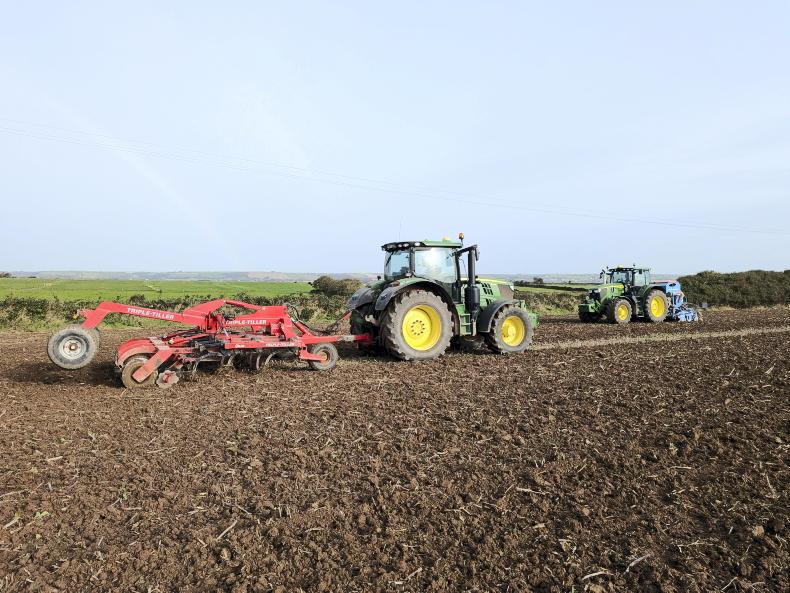
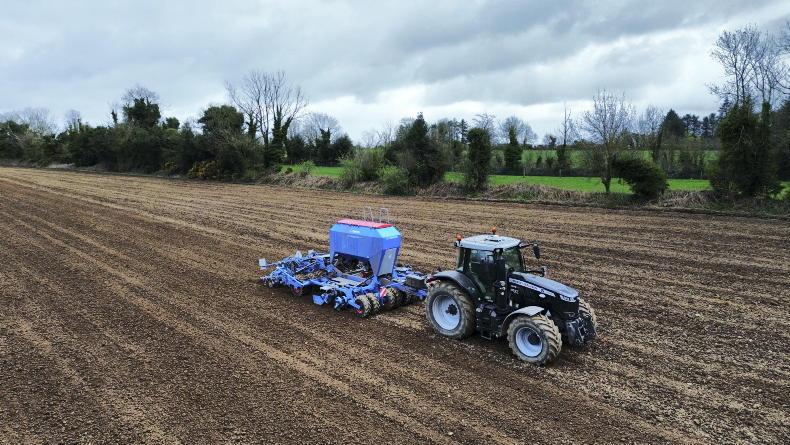
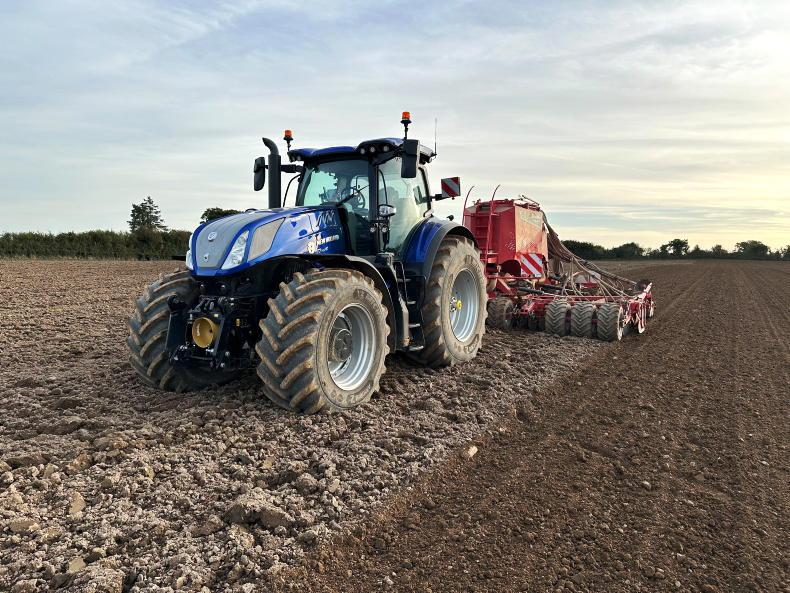
The wet winter and spring gave way to a dry summer in Co Tyrone and Christopher says you forget all about the wet weather when you have lots of time to get work done over the summer months. Even if it negatively affects crops, it takes the pressure off. Christopher planted some winter wheat with a Claydon drill in the past couple of weeks which he is looking forward to following throughout the year. The cost of diesel, fertiliser and other inputs is a cause for concern for Christopher, as it is for every other farmer in the country.
Shaun Diver
Tullamore Farm, Co Offaly
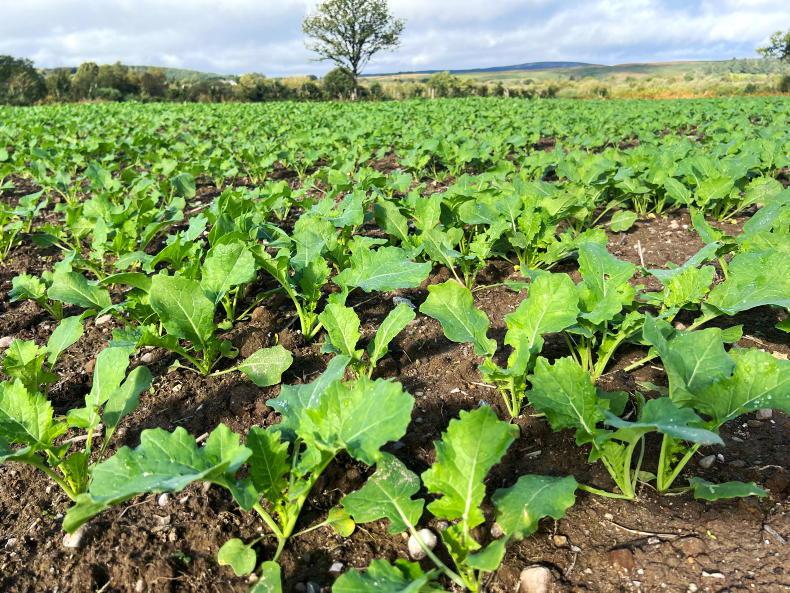
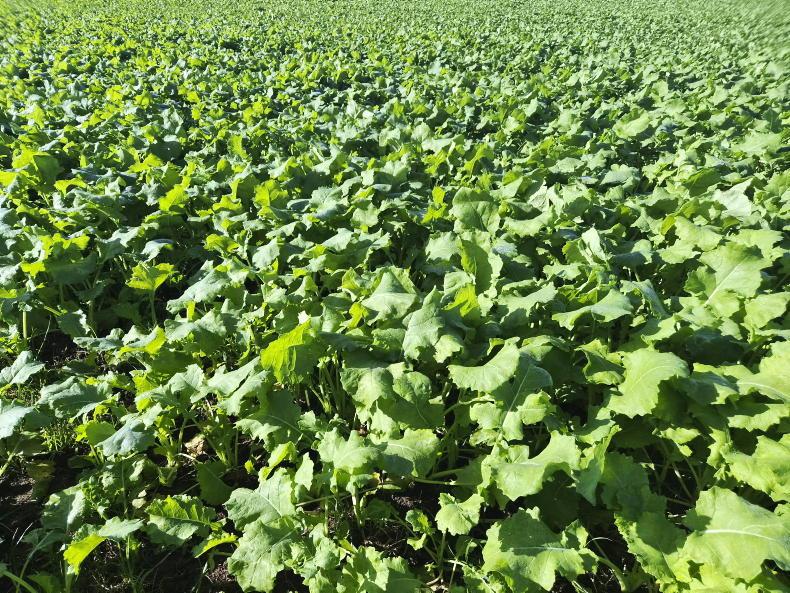
It’s been a challenging year for Shaun between the weather and costs. He says he is really happy with the wholecrop of barley, oats and peas. If it was not grown this year, there would be a fodder deficit on the farm. He hopes to continue growing it in the coming years. The forage rape and forage rye have also been valuable additions to the farm.
Conor Callan
Ardee, Co Louth
Conor says he has learned to make sure crops get in on time in the autumn over the past year and to do everything you can to get a pre-emergence herbicide on cereal crops. He notes it is getting harder and harder to control grassweeds such as annual meadow grass. He also says there is no margin in tillage farming this year and something will need to be done about it.
Hugh McDonnell
Bagenalstown, Co Carlow
It’s been “a year of tremendous variation”, according to Hugh. Grain yields were quite average, but it was very easy to get through the work at harvest with no pressure or late nights to get crops cut before rain arrived. In the past couple of weeks, Hugh says he has learned to get his winter crops in early on his heavy ground, even if it means that the risk of virus or disease is a bit higher. His crop rotation is changing next year, with the plan being to introduce beans to increase the number of years between oilseed rape crops.
Martin Ennis
Naul, Co Dublin
Martin feels the tillage sector is a bit underappreciated and overlooked at present. He fears that if something is not done soon, there won’t be many farmers left and the sector will disappear.
He says that everyone on his farm loves what they do and it’s the best job in the world, but how can they keep doing it if there’s no money to be made?
Martin hopes to grow some more maize next year. It is an extra crop in the rotation and he can sell it directly to farmers too.
Patrick Daly
Ballinasloe, Co Galway
An excessively wet start to the year stressed winter crops, but the summer made up for it and crops advanced quickly. The weather is challenging once again at present as Patrick tries to get his winter cereals planted.
He says it is now about trying to pick off a field or two whenever he can. He has also noticed that there are lots of crows about and they seem very hungry.
Donald Logue
Muff, Co Donegal
The ground is very wet in Co Donegal now, but Donald still has most of his organic potatoes to dig. Despite this, 2026 has been a better year than 2025 for him, especially for cereals. A new combine helped Donald to get through the work a lot more quickly.
He says it was great to get everything done on time and to be able to lend a hand to a neighbour when he was finished his own harvest. Donald is focusing on building up his soil indices with compost and dung over the next year.
Gary Gillespie
UCD Lyons Farm, Celbridge, Co Dublin
It has been a relatively optimistic year for the novel crop research and demonstrations, according to Gary. He says the hot temperatures we are now experiencing in the summer are making some new crops a bit more viable in Ireland. If this continues, along with plant breeding advances, Gary thinks the harvest date for these crops will be brought forward, so that it will be possible to grow the crops in Ireland.
Buckwheat has been one of the standout crops over the past few years, even if there was less biomass this year. Gary plans to trial different varieties from across Europe and Asia next year to see if any of them are more suited to Irish conditions than what he has at present.
Michael Martin
Rathnure, Co Wexford
Michael’s winter barley looked the part from emergence right up to harvest: thick, even and full of promise. Then the combine went in and the grain tank told a very different story, some of the poorest winter yields Michael has ever cut, all down to BYDV. He says he will only grow BYDV tolerant varieties in future.
The spring crops performed very well despite the drought but the malting barley price this year has been deeply disappointing for Michael. He notes that growing malting barley means extra hassle at every step, from management to delivery where you can spend hours in a queue at the merchant.
“Farmers too often sit at the bottom of the food chain; carrying the risk and getting the least respect,” he says.
Nicholas Ryan
Clonmel, Co Tipperary
Nicholas says it was a year of extremes, with a very wet spring and the driest summer he has ever seen.
The weather windows for planting are getting narrower every year and it’s now imperative to have good soil structure and water infiltration.
He isn’t happy with his spring barley yields, which seem to be slowly declining, while the yields of other crops rise. He will look at alternative crops and strategies to improve the spring barley yield next year. The research side of the farm had more trials than ever this year and Nicholas says they have all gone well.



SHARING OPTIONS