




Dairy farmers who want to maximise the quantity and quality of first-cut silage in 2023 should have sheep off these swards before the end of the year, research undertaken at the Agri-Food and Biosciences Institute (AFBI) shows.
A two-year study funded by DAERA and AgriSearch, and reported by Dr Aimee Craig and Dr Conrad Ferris, looked at the potential impact of grazing out swards over the winter with sheep.
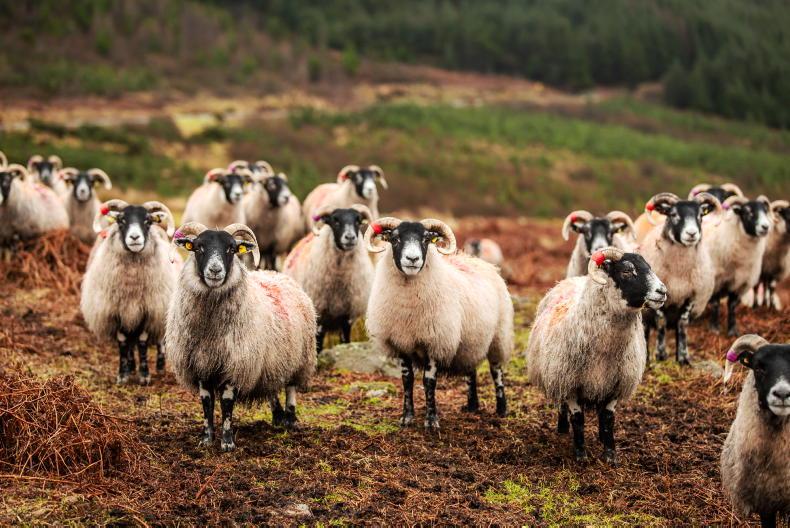
After third cut was taken off a 5ha block in mid-September, approximately 3,300gl/ac of slurry was applied. Half the area remained un-grazed, while the other half was grazed by ewe lambs down to 4cm (1,400kg dry matter/ha) in December.
Both areas received slurry and fertiliser in the spring, with first cut harvested in early May. The resultant silages were offered to mid/late lactation cows.
Results
Over both years of the study the un-grazed sward produced more silage (0.8 and 1t more dry matter/ha), with the bigger yield hit in the second year thought to be due to frosts which delayed re-growth in the grazed swards.
However, there was little difference in the chemical composition of silage from the grazed and un-grazed swards, although the grazed sward did produce silage with higher ME contents (0.2 and 0.5MJ/kg more). That difference was due in part, to the higher percentage of dead plant material in the un-grazed sward.
In terms of animal performance, in year one, silage intakes were similar, but cows offered silage from the grazed sward produced 0.8kg more milk per day, an increase of 3%.
In year two, cows eating the silage from the grazed sward had higher intakes (up 14%). This did not translate into higher milk yields, but did increase milk fat, resulting in a 9% increase in overall milk solids.
“The reasons for the higher milk fat content with this treatment are unclear at present,” state the researchers.
Overall, the study points to an increase in silage quality and subsequent animal performance from grass taken off grazed swards, but that has to be set against the hit in silage yields. Taking both factors into account, the un-grazed sward actually supported higher yields of fat and protein per hectare (128kg and 218kg/ha).
The researchers acknowledge that neither winter in the study was particularly extreme, and a prolonged spell of cold or wet weather might have resulted in more dead material in the un-grazed sward.
While they still recommend that heavy swards are grazed off in the autumn, they caution against grazing into the new year.
“Grazing past mid-December is not recommended, while very tight grazing is likely to dramatically slow spring growth,” they conclude.




SHARING OPTIONS