



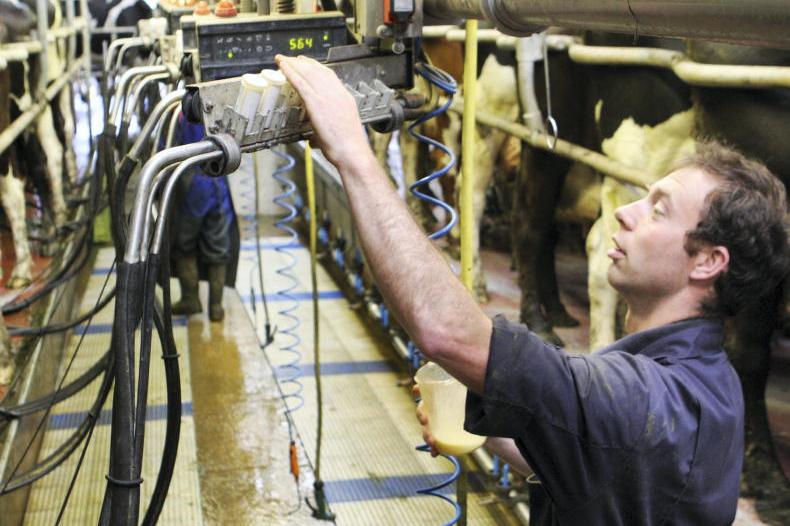
Don’t overlook the final milk recording.
As cows approach the end of lactation, it can be tempting to see the final milk recording as just another set of figures.
But a milk recording within a month of drying off can be a useful tool for planning the dry period and setting cows up for the next lactation.
That final recording can flag newly infected, high-cell-count cows that may need targeted treatment at drying off.
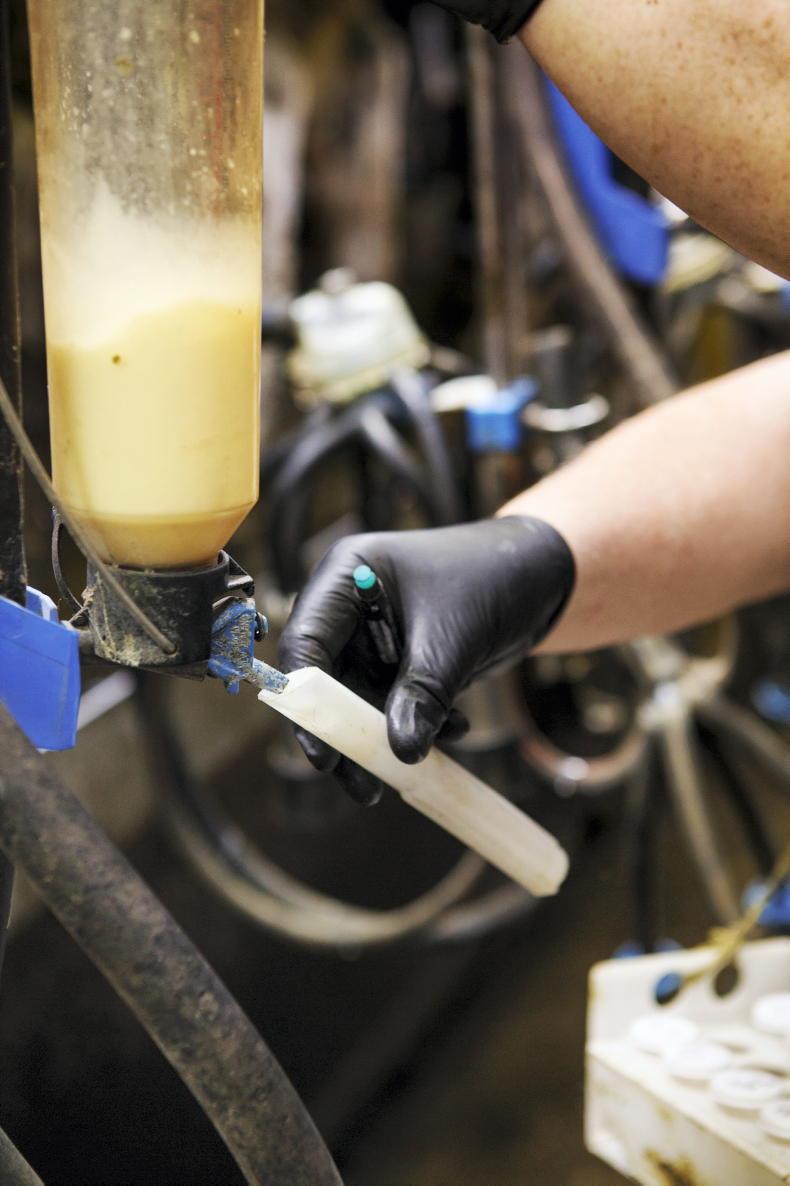
Once identified, a milk sample can be collected and submitted for culture and sensitivity testing, helping to identify the bacteria involved and selecting the most appropriate treatment.
It also provides valuable information on cows with a history of high cell count or mastitis, helping to inform dry cow therapy decisions.
The main aim is to identify which low cell count cows are suitable for selective dry cow therapy, based on their individual somatic cell count, clinical mastitis history and the farm’s veterinary plan.
Don’t forget cows that have had clinical mastitis during the lactation.
Milk samples from these cases can be frozen and stored for up to six months, providing useful information on the bacteria causing mastitis on the farm.
In chronically infected cows, the original bacteria may no longer be present – samples from clinical cases can give a more accurate picture of the mastitis challenges on farm.
If high somatic cell counts are an ongoing issue, talk to your vet about the Animal Health Ireland-funded Cell Count Solutions programme.
As drying off approaches, there is also a free Cell Check Dry Cow consultation, funded by Animal Health Ireland.
It is an excellent opportunity to review late-lactation performance, mastitis history and dry cow management before cows leave the parlour for the winter.
Marie-Louise Ryan, XLVets
Mulcair Vets, Tipperary



SHARING OPTIONS