



St Valentine’s Day has just passed and love is lingering in the air. There’s something else in the air on dairy farms across Ireland too – usually the aroma of slurry or a smelly cleaning on top of the dung heap.
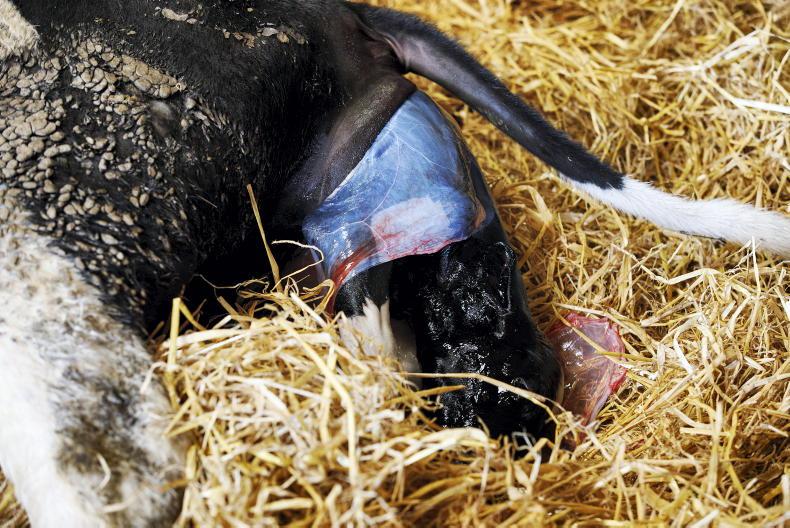
For dairy farmers, St Valentine’s Day represents one of the busiest days of the year as most dairy farmers are at the peak of the calving period. As the partner of any dairy farmer will tell you, there isn’t much time for a romantic meal on St Valentine’s Day as the farm is just too busy. Move over rom-com – hello calving camera!
While St Valentine’s Day is universally recognised and celebrated as the day of love, 14 February has another significance for dairy farmers as it’s considered to be the optimum day for the mean or average calving date for the dairy herd.
This means that if you record all the calving dates for each cow in the herd, the average should be 14 February, or St Valentine’s Day. So, if the first cow calves on, say, 1 February and the last cow calves on, say, 1 May and if the mean or average calving date is 14 February, just two weeks after the first cow calves that means that an awful lot of cows must calve in the first few weeks.
The reason this day was picked as the optimum day for mean calving date is because it strikes a good balance between calving early enough so that cows will have long lactations and produce lots of milk, but also late enough so that it matches the typical grass growth rate curve.
The thinking here is that the majority of the cows will have calved just before grass growth rates start to take off in March and April.
If the herd calves too early, grass growth won’t be good enough and the herd will be kept indoors for too long. While indoors, they will be eating extra silage which is more expensive to make and is much lower quality than grazed grass. Plus, cows are happier to be outside eating grass than to be stuck in a shed.
So, the mean calving date is important for the overall farm system. It influences milk yield, sustainability and profitability. While 14 February is considered optimum for most farmers, those on wetter soils or in colder parts of the country may have a later optimum mean calving date, so it does vary for each farm.
Mating
Love is not lost on dairy farmers on St Valentine’s Day though. When they think about optimum mean calving date, they also think about how to influence this date. This is all to do with when the cows were mated, ie when they met the bull or met the AI technician.
The average gestation length for a dairy cow is 282 days. So, the calf born on St Valentine’s Day was more than likely conceived on 8 May.
So if you’re an AI technician, the first few weeks of May are the busiest weeks of the year.
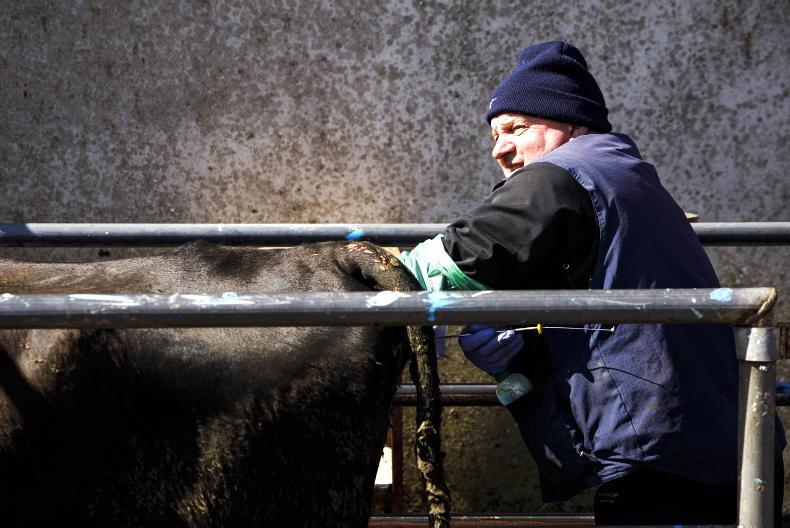
They each have to inseminate hundreds of cows per day with frozen semen, so is it any wonder their arms get sore?
All of this work takes place in May so that the dairy farmer will be busy calving cows on St Valentine’s Day. Who says romance is dead and gone?



SHARING OPTIONS