With more cattle being turned out to grass and grass growth still relatively low, it is important that you can keep sufficient grazing ahead of cattle. Following these 10 steps can help to stretch grazing supplies until grass growth increase to meet demand.
1. Weaning autumn calves
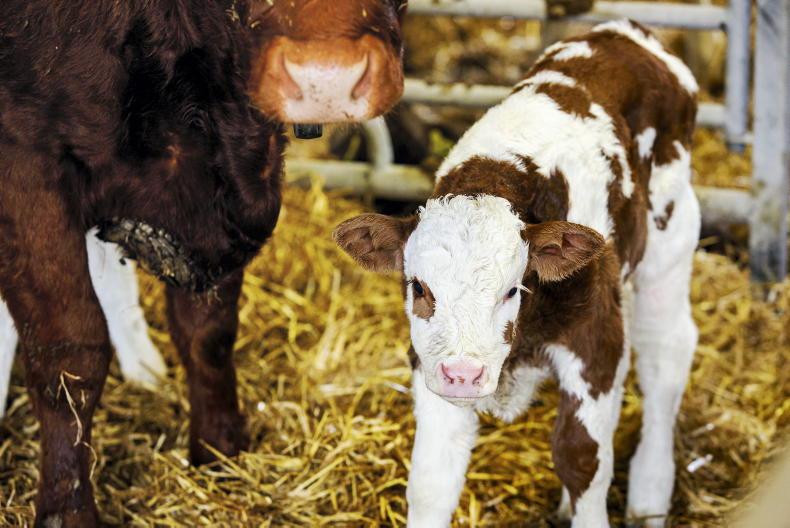
Autumn calves will be at least six months old and have an increasing reliance on fresh grass rather than milk from the cow. Milk yield is low at this point in a suckler cow’s lactation, so the calf is better off weaned. The dry cow can remain housed until grass growth picks up.
2. Forward grazing calves
Allowing spring calves to graze ahead of cows means they have access to the high-quality grass. Use the cows to clean out paddocks. Where ground conditions allow, autumn-calving cows can be stocked tighter as their daily feed demand is lower. This frees up grazing ground to build grass covers ahead.
3. Set up rotation grazing
Rotating cattle around paddocks will increase grass utilisation. As paddocks are being rested after grazing, grass covers have an opportunity to re-build. With set-stocking, cattle will continually eat off the re-growth.
4. Sell stores
There is plenty of demand for weanlings weighing over 400kg liveweight in the marts. Selling some cattle will relieve grazing demand.
5. Cull passengers
Sell off unproductive or problem cows now. Thin cows can be housed on ad-lib meals for 40 to 50 days and finished. If they are still suckling a calf, wean early and finish or sell with the calf at foot.
6. Use a back fence
Using a temporary electric fence to prevent cows from grazing off re-growth will increase grass covers in the next rotation.
7. Increase fertiliser use
Spreading fertiliser after every rotation will increase grass growth and grass covers available. As soil temperatures are rising, spreading an extra 27 to 30 units/acre of nitrogen should suffice.
8. On/off grazing
If cattle are convenient to the yard, re-housing at nighttime means that the animals will be hungry going back to grass in the morning. They will, therefore, concentrate on grazing once they are turned out and less prone to lying or trampling swards. Using a stand-off area can do a similar job.
9. Offer meals
Feeding meals can help to stretch grazing supplies. Be selective to which group you offer meals to so that you get the best response. Freshly-calved cows have the greatest feed demand and could benefit from 2kg/day for a short period, until grass growth increases.. Young bulls will also benefit from meal if grass is limited.
10. Offer additional forage
Offering silage or hay will reduce grazing demand, but it can quickly lead to ground damage, so be selective about which field you choose to offer supplementary forage. Where possible, use hardcore roadways, or a run back area, to feed cattle as this limits damage.
Read more
Beef management notes: grazing
Switching from continental to traditional beef breeds
With more cattle being turned out to grass and grass growth still relatively low, it is important that you can keep sufficient grazing ahead of cattle. Following these 10 steps can help to stretch grazing supplies until grass growth increase to meet demand.
1. Weaning autumn calves
Autumn calves will be at least six months old and have an increasing reliance on fresh grass rather than milk from the cow. Milk yield is low at this point in a suckler cow’s lactation, so the calf is better off weaned. The dry cow can remain housed until grass growth picks up.
2. Forward grazing calves
Allowing spring calves to graze ahead of cows means they have access to the high-quality grass. Use the cows to clean out paddocks. Where ground conditions allow, autumn-calving cows can be stocked tighter as their daily feed demand is lower. This frees up grazing ground to build grass covers ahead.
3. Set up rotation grazing
Rotating cattle around paddocks will increase grass utilisation. As paddocks are being rested after grazing, grass covers have an opportunity to re-build. With set-stocking, cattle will continually eat off the re-growth.
4. Sell stores
There is plenty of demand for weanlings weighing over 400kg liveweight in the marts. Selling some cattle will relieve grazing demand.
5. Cull passengers
Sell off unproductive or problem cows now. Thin cows can be housed on ad-lib meals for 40 to 50 days and finished. If they are still suckling a calf, wean early and finish or sell with the calf at foot.
6. Use a back fence
Using a temporary electric fence to prevent cows from grazing off re-growth will increase grass covers in the next rotation.
7. Increase fertiliser use
Spreading fertiliser after every rotation will increase grass growth and grass covers available. As soil temperatures are rising, spreading an extra 27 to 30 units/acre of nitrogen should suffice.
8. On/off grazing
If cattle are convenient to the yard, re-housing at nighttime means that the animals will be hungry going back to grass in the morning. They will, therefore, concentrate on grazing once they are turned out and less prone to lying or trampling swards. Using a stand-off area can do a similar job.
9. Offer meals
Feeding meals can help to stretch grazing supplies. Be selective to which group you offer meals to so that you get the best response. Freshly-calved cows have the greatest feed demand and could benefit from 2kg/day for a short period, until grass growth increases.. Young bulls will also benefit from meal if grass is limited.
10. Offer additional forage
Offering silage or hay will reduce grazing demand, but it can quickly lead to ground damage, so be selective about which field you choose to offer supplementary forage. Where possible, use hardcore roadways, or a run back area, to feed cattle as this limits damage.
Read more
Beef management notes: grazing
Switching from continental to traditional beef breeds





SHARING OPTIONS