



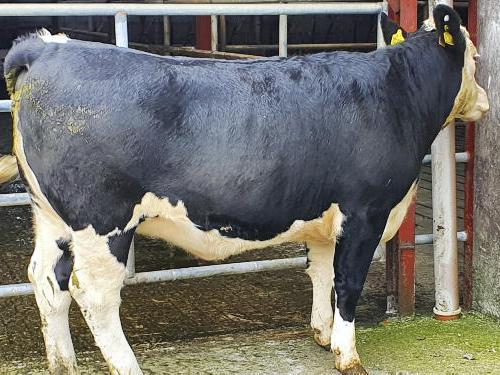
The Irish Farmers Journal Thrive demonstration farm aims to slaughter cattle off grass at the end of the second grazing season. This is to avoid what can be an expensive second winter period in the shed.
However, in order to achieve this, there is very little room for error in terms of animal performance throughout the system. Cattle need to be thriving every single day of their lives on the farm.
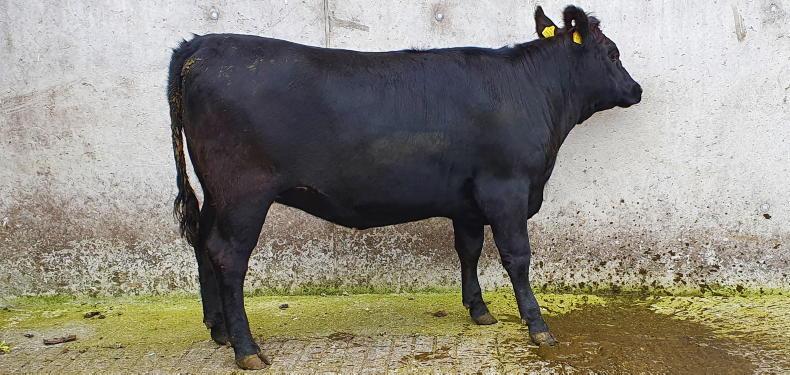
The first nine heifers were slaughtered from grass last week at an average age of 18.4 months at an average liveweight of 528kg. This translates to an average daily lifetime weight gain of just shy of 0.9kg/day.
In order to achieve this, excellent grassland management is a must both in the first and second season, alongside top-quality silage for the first winter period.
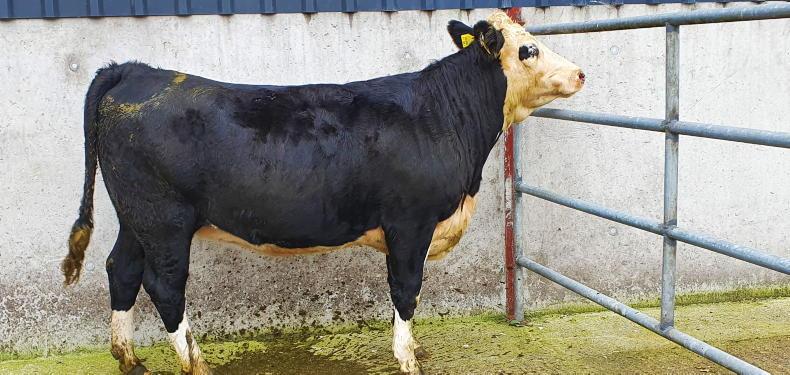
Feeding meal at grass for six to eight weeks pre-slaughter boosts liveweight gain during the finishing phase, increases carcase fat cover and improves the killout percentage.
These heifers are part of a batch of 36 that started meal feeding at pasture on 1 August. They started on 2kg/day and after three weeks were moved up to 3kg/day of a simple four-way mix of barley, maize, soya hulls and distillers.
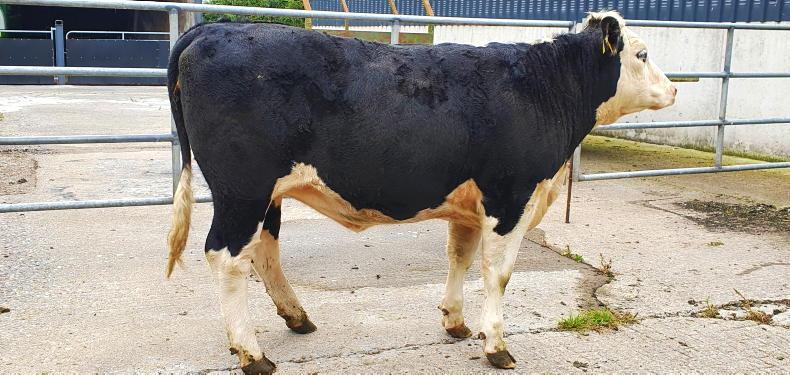
Meal intake for the finishing period was 135kg with a meal cost of €235/t that equates to €31.75 of meal.
Total lifetime meal intake for these heifers sits at 405kg, a cost of around €110 given the higher cost of ration during the first winter and during the calf-rearing phase.
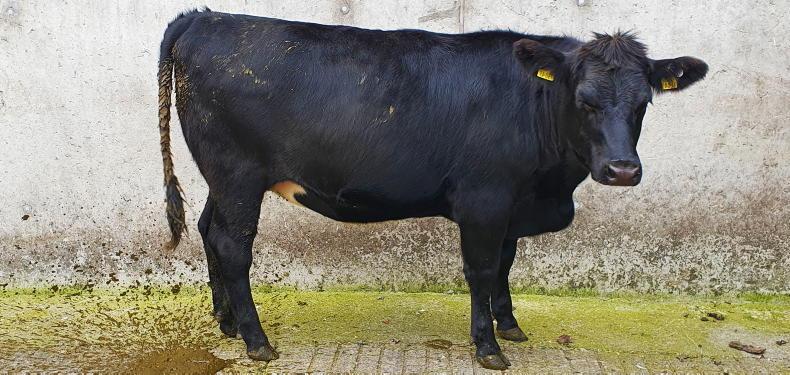
The average carcase weight of this group was 267kg, the average conformation score sits between O= and O+ and a fat score of 4-.
Killout percentage, which is the proportion of carcase weight obtained from the animals’ liveweight, ranged from 49.1% up to 52%, with an average of 50.5%. This would be typical for this type of dairy-beef animal.
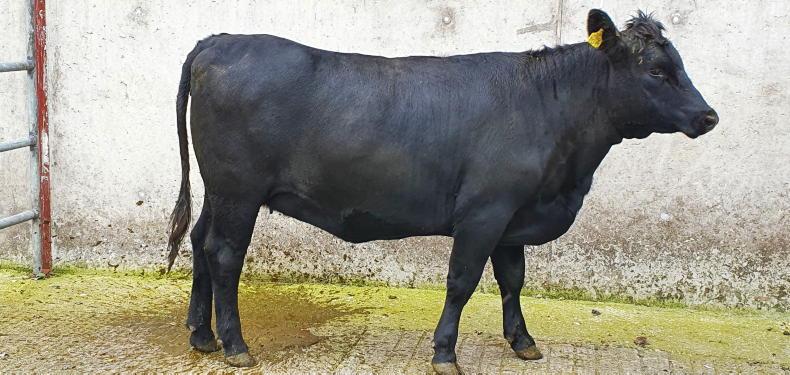
The animals were also weighed the evening before slaughter so were full of grass at the time which would lower the killout percentage.
While the first heifers were by no means the heaviest of the group at slaughter, they had reached their potential and were sufficiently fleshed.
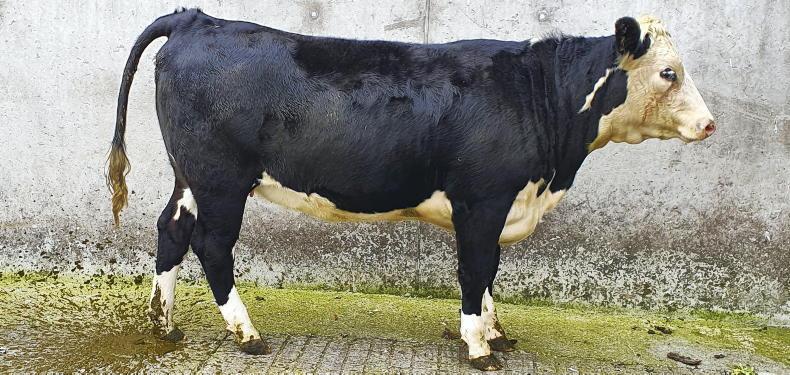
Continuing to feed these heifers would have resulted in going out of spec for carcase fat score.
Interestingly, four of the Angus heifers were sired by the same bull JZJ.
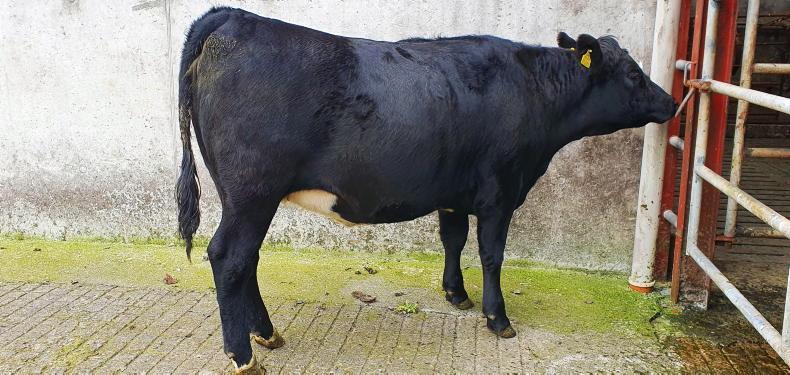
In the 2019 crop of calves, there were only seven JZJ sired heifers in total. This bull has a dairy beef index (DBI) of €87, a value of beef figure of €24 and a carcase weight figure of -1.6kg – the lowest of all sires used in 2019.
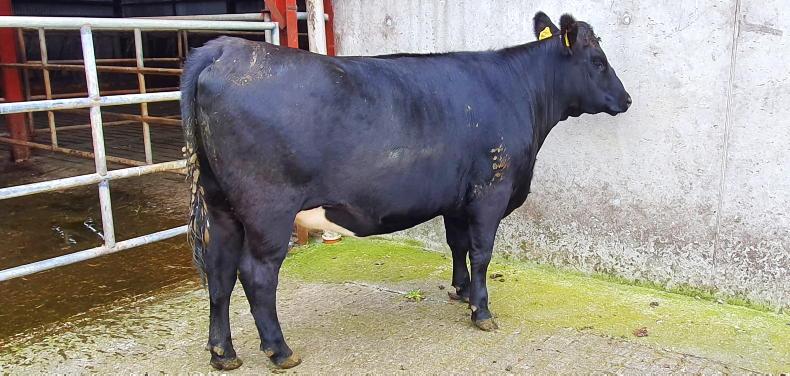
Heifers will continue to be drafted every 10 days to two weeks as they come fit.
Regular drafting is important, especially when dealing with a lot of early-maturing animals as they tend to go over-fat quickly if not closely monitored.
In the coming weeks, once all cattle are slaughtered, we will do a full financial analysis of the system.




SHARING OPTIONS