



Farmer shareholders in the New Zealand (NZ) Alliance co-op were given late last week the scheme booklet, which provides the details of the proposed deal with Dawn meats. The debate on the deal will start on Monday 29 September, in the first of a series of roadshows where farmer shareholders can ask further questions on the proposal. These events will also be used by the management and the board to “sell” the deal to shareholders, who will vote to either accept or reject at a meeting on 20 October – with the result announced the following day. With the business needing a cash injection of up to NZ$250m (€125m), a vote to accept the deal is likely. However, it is not guaranteed, as shareholder opposition has emerged this week and a 75% vote in favour is required to get it over the line.
Independent report
The scheme booklet, which extends to 144 pages, includes independent analysis carried out by Northington Partners (NP) on the merit of Dawn’s offer. As well as looking at the alternative options available to Alliance, it also values what it considers the business to be worth if the Dawn offer wasn’t on the table. It puts the value of the Dawn bid at NZ$1.18 (€0.59) per share, which is 93% above the NP current midpoint share value of NZ$0.61 (€0.30).
This may look like Dawn is paying over the odds for a business that needs money. The NP valuation reflects the current position, but with a cash injection from Dawn plus access to its market and production expertise, the picture is transformed. Dawn Meats hasn’t built the successful business it has today by overpaying for acquisitions.
The overall Dawn investment is set at NZ$250m (€125m), but the ultimate purchase value will be calculated on Alliance’s financial performance for the year ending 27 September.
No other viable option
The NP report is also blunt in highlighting that Alliance has little option but go with the Dawn offer. It states that “we believe that Alliance’s debt levels are unsustainable and that refinancing existing bank debt or trading out of the current financial position are not realistic alternatives”. It also highlights that raising capital was a condition of banks renewing facilities in October 2024, which were scheduled to last until September 2025, now extended to December to enable completion of the Dawn deal.
Other options apart from the Dawn offer are considered in the report, but firmly rejected for not meeting the financial need of the business to continue operation in its current state.
Putting it bluntly, a “no” vote to the deal would leave Alliance with what is described as “a very limited and unlikely set of alternatives. It can pursue asset sales, site closures and large cost reductions, it can attempt to raise capital from shareholders or other investors, or it can go into insolvency.”
New business structure
If shareholders vote to accept the deal, it then requires clearance from New Zealand authorities and Alliance has requested that the Takeovers Panel issue a “no objection statement”. Assuming this is secured, a new business structure will be established, with existing Alliance shares exchanged for shares in the New Alliance Co-operative. Initially, this will have 100% of the shares in the existing Alliance trading business, but after the Dawn investment, the Irish company will own 65% of the shares in the Alliance trading business, with the New Alliance Co-operative holding the remaining 35%.
The New Alliance Co-operative will have two members on the joint venture (JV) board, which will have three members nominated by Dawn.
The scheme booklet identifies these as: Thomas Moran, who will be chair; Niall Browne; and Sean Breen.
Investment plan
If the deal is approved by shareholders on 20 October and ratified by the authorities, the NZ$187.5m (€93.75m) will be used to reduce Alliance’s bank debt and NZ$22.5m (€11.25m) will be “used to accelerate our strategic capital expenditure programme”. The scheme booklet outlines that the “remaining NZ$40m (€20m) is to be used to fund the working capital requirements of Alliance, until it is required to be paid to New Alliance Co-operative as ‘loyalty payments’ over the next two (or potentially three) financial years”. This is referring to the New Alliance Co-operative, which will remain 100% farmer owned, being able to meet certain key performance indicators (KPIs) in relation to livestock to the new JV business. Basically, if cattle and sheep supply are maintained to the level indicated in the KPI, up to NZ$40m (€20m) of the Dawn investment will go back to the New Alliance Co-operative for them to distribute.
The loyalty element of the deal reflects the fact that 90% of livestock supplied to the six Alliance factories currently come from the 4,300 farmer shareholders in the business. In a business that has been operating on this basis since its foundation, there may be some concern that some of this supply might drift to other processors when the farmer shareholders no longer own 100% of the business.
Key selling points
The most obvious selling point for Alliance shareholders is that they urgently need the amount of money that Dawn have been willing to offer and without it the business is in serious trouble. The second, more subtle element is that even though their shareholding in the new JV will be reduced to 35%, they should have a have a much more robust and viable business. The scheme booklet highlights that the deal will strengthen global customer partnerships and that the northern and southern hemisphere locations will enable a year-round supply to customers and better margins.
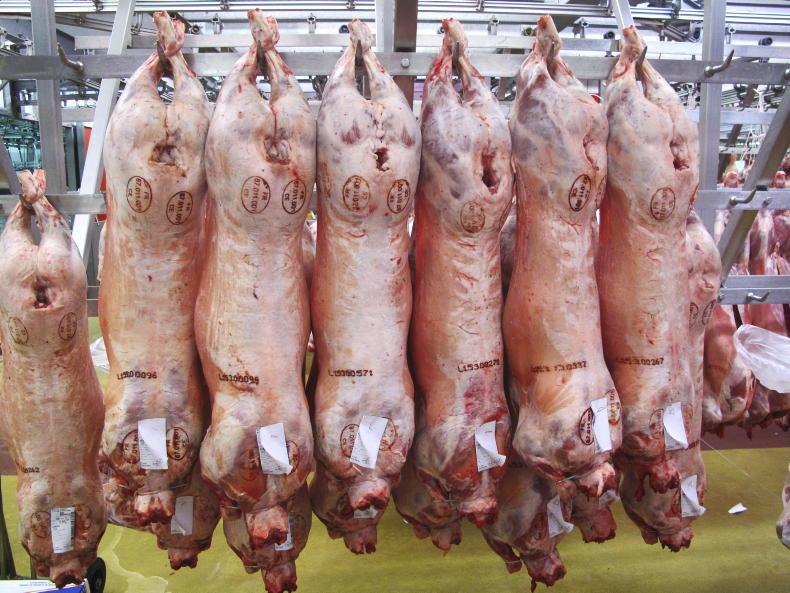
An interesting selling point of the deal is the fact that Dawn’s direct customer relationships in the UK and EU will enable the JV to “reduce reliance on intermediaries and capture greater margin”. Dawn is highlighted as “global leader in retail packing capabilities”, which enables it “to add significant value to its products”. Dawn intends to “leverage its retail packing capabilities and capacity to increase the value of Alliance’s products”.
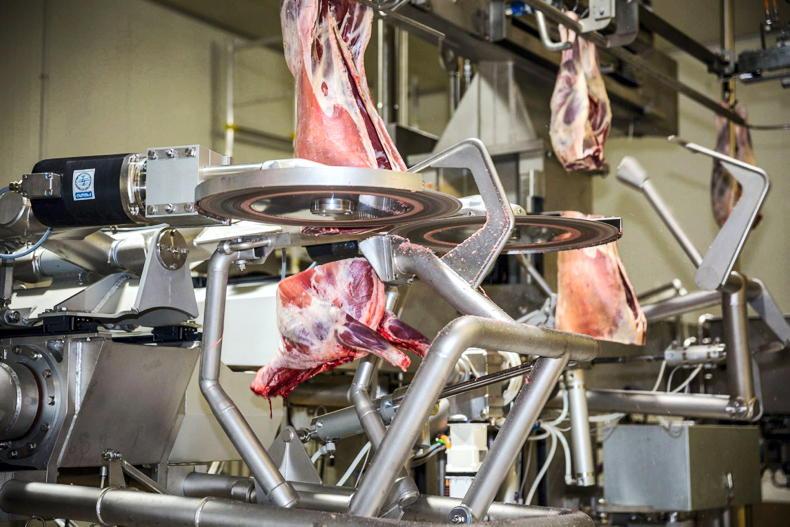
In sheepmeat processing, New Zealand would be considered as a global leader in automation and operational efficiency. It is less so with beef and here Dawn believe it can “optimise Alliance’s beef-boning processes to realise further productivity and efficiency gains”.
Comment: all the ingredients for a perfect fit, but...
A link up between a major processor in the northern hemisphere and southern hemisphere makes sense on many levels. Dawn can give Alliance front-door access to a range of blue chip customers in the UK and Europe bringing greater value to the business. It can also bring production expertise, particularly in beef, and of course it will bring much-needed capital investment to the deal.
In return, it will get access to sheepmeat supply from the world’s second-largest exporter and a share of New Zealand beef exported annually. This could be particularly welcome for Dawn’s processing and retail packing capacity in the UK and Ireland, as cattle and sheep supplies tighten.
However, there will be challenges assuming the deal goes ahead. The reason Alliance needs investment is because the business has been losing money. Dawn has plenty of management expertise in Britain and Ireland, and it will have to build similar in New Zealand and do it quickly. This could be easier said than done.



SHARING OPTIONS