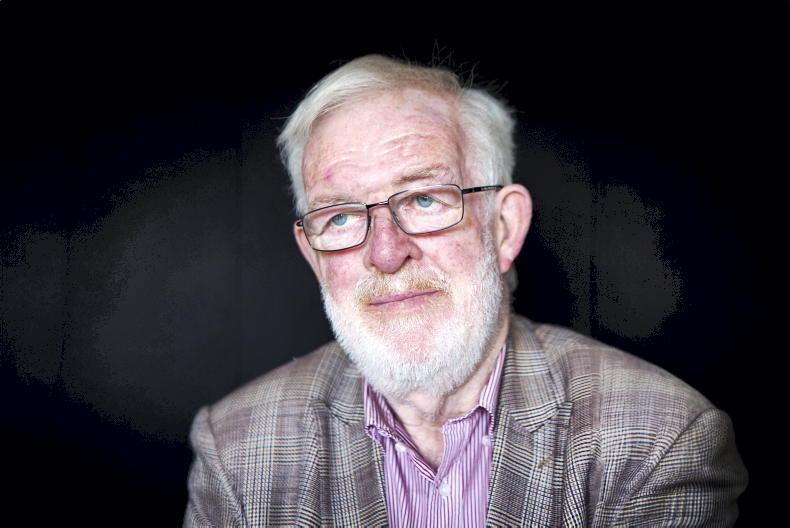

Philip Lane, chief economist at the European Central Bank and former governor of the Irish Central Bank, said that food price inflation will be “most visible” in summer 2027. He warned that food inflation will be one of the main drivers of overall inflation over the next year.
Lane said that the rise will be dependent on developments in energy costs, including both oil and gas, adding that the current situation is “really uncertain”. Weather events like El Nino will also add to food inflation over the coming year.
He would not comment on whether the predicted rise in food costs would lead to further interest rate increases from the European Central Bank, but did say that if the central bank avoided raising rates due to the impact it would have on borrowers, then that would be a “false economy”.
Lane’s comments echo the recent outlook given by Maximo Torero, chief economist at the United Nations Food and Agriculture Organisation. Torero said that he expects food prices to start to increase by the end of this year.
The transmission of higher input costs into the final food price generally takes between three and six months, Torero explained, meaning the current input costs have already locked in the future inflation.
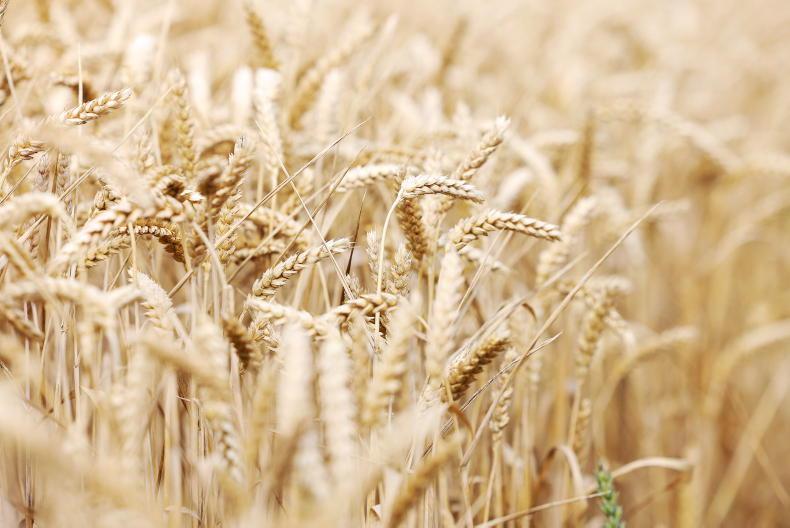
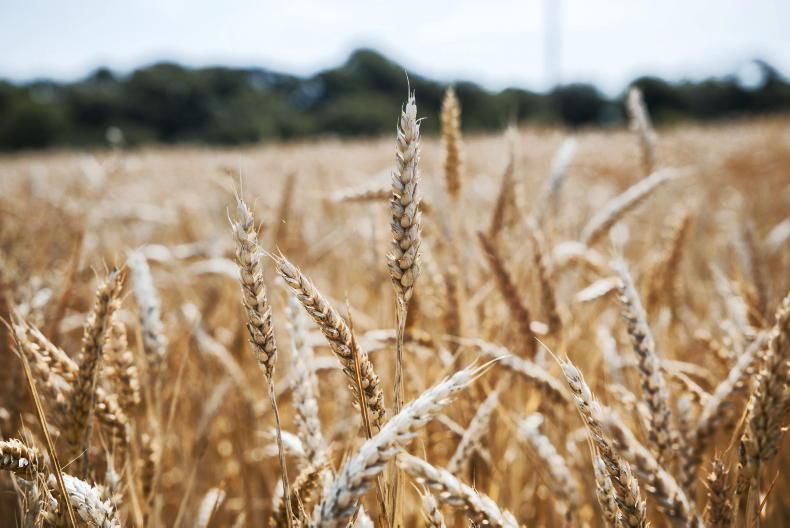
There are also increasing concerns over the availability of certain crops in 2027. Farmers, faced with higher fertiliser costs in major grain-growing regions, have switched to crops such as soy, which requires less nitrogen. Data from the US shows that total wheat area planted this year sits at a record low.