



The ECB (European Central Bank) is set to announce a rate hike of a quarter of a percentage point when it publishes its decision on Thursday 10 September.
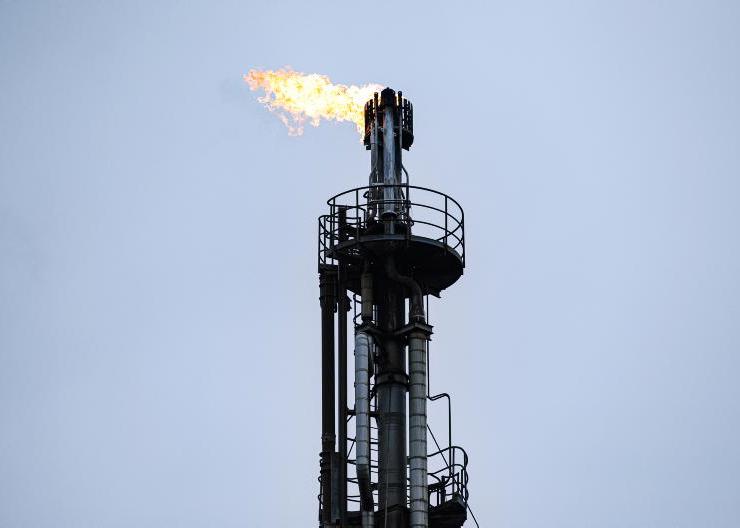
Policymakers suggested ahead of the meeting that a rate increase may be needed to keep inflation under control in the euroarea. In August, inflation in the common-currency area rose to 3.3%, up from July’s 2.9%. The driver behind the increase in the pace of price increases was almost entirely energy costs.
The August inflation reading for Ireland was slightly higher at 3.4%. The energy component for Ireland was 11.8% higher than a year earlier.
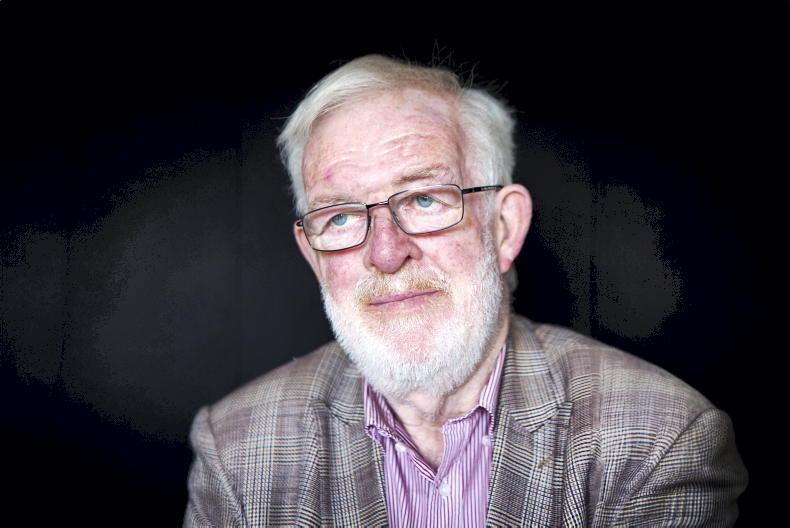
The increase in interest costs will feed through to borrowing costs for businesses and consumers. With companies already facing significantly elevated costs (see page 40), the increase in interest rates will be an unwelcome development. Philip Lane, chief economist at the ECB and former governor at the Irish Central Bank, said last month that it would be a “false economy” for the central bank to avoid raising rates due to the impact it would have on borrowers.
The logic being that a failure to control inflation now would mean higher inflation in the future, which would require more interest rate increases and even more pain for borrowers.
While the current increase in inflation has been driven by energy costs, Lane also raised concerns about the outlook for food prices. He said that food costs will be one of the major drivers of inflation next year. He said he sees it peaking in the summer of 2027.
The medium-term outlook for European interest rates, however, will remain dominated by energy costs. The price of oil has risen again this week, closing in on $100 a barrel, suggesting there is little good news coming there.



SHARING OPTIONS