



US president Donald Trump has set out to achieve the impossible over recent days through getting involved with meat processing.
The problem he is trying to solve is to reduce the price of beef to consumers, while at the same time keeping on board US cattle ranchers, who are generally regarded as among his strongest supporters.
All of this has added urgency due to upcoming elections in November, with polling suggesting that his Republican party is not going to do well and food price inflation is a major issue with US voters.
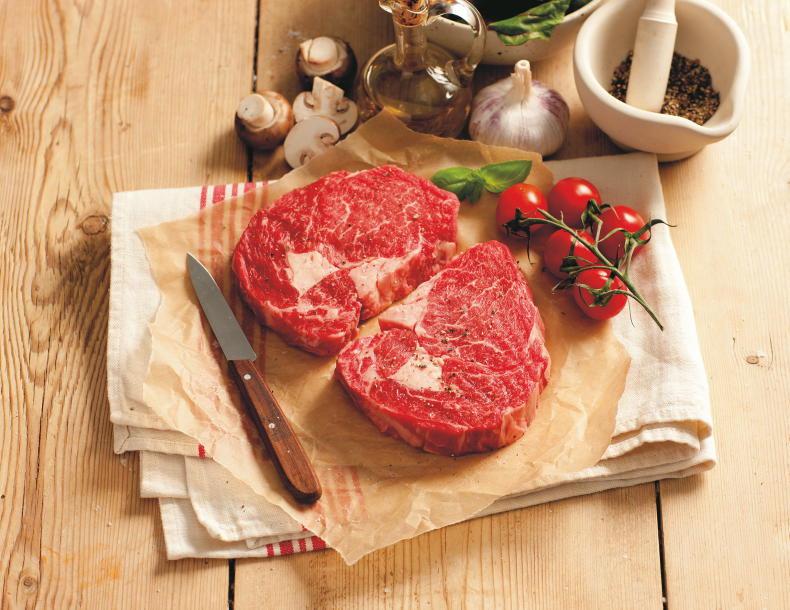
The cost of mince to shoppers has risen disproportionately to other cuts of beef, as people traded down to stretch their grocery budget.
US cattle prices have been at an all-time high over much of this year because of supply scarcity, with the herd at a 75-year low.
This has meant higher beef prices for voters and is a core reason behind his initiative announced to allow the import of 300,000 tonnes of beef for mince production entry to the US over the next three months without tariffs.
Quick solution sought
This has caused outrage among farmer representative organisations and to address this, President Trump has announced a plan that would allow farmers process their own beef.
As is so often the case with announcements by the president, there has been little detail on how this might work and what level of inspection and regulation will be required of these new processors.
This has triggered a reaction by the Meat Institute, which represents processors. It has warned the president that “it is critical that expanding processing opportunities does not come at the expense of food safety. Federal and state inspection requirements exist for a reason: to help ensure that meat sold to American families is safe, wholesome and properly labelled.”
What President Trump has done is to throw the US beef supply chain open to 300,000 tonnes of beef for grinding, while, at the same time, suggesting that farmers could bypass the processing industry and process their own beef.
There is an irony here in that the president has been hugely critical of foreign-owned big processing businesses, yet lifting the tariff will benefit big processors in particular that manufacture and supply the retail sector with mince.
A further irony was reported in the Wall Street Journal earlier this week when it suggested that the head of JBS, the largest beef processor in the US and Brazilian-owned, met the president ahead of his announcement of the quota on 21 August.
Processing expertise is in factories
While large beef processors are never popular with farmers either in the US or Ireland, the reality is that they are the most cost-efficient way to convert the cattle coming off farms and ranches into consumer-packed beef ready to be placed in shoppers’ baskets.
Processing on-farm requires considerable butchery expertise and investment in facilities that will comply with legislation. Any one of these is a challenge – getting all three together takes exceptional effort and considerable skill.
Even if the product could be produced on farm, it is impossible to achieve the efficiency that comes with large factory production, plus there is the issue of getting customers willing to pay for the product when it is processed.
Securing a listing with a major buyer is yet another challenge, as they are motivated by continuity of supply at a competitive price. They will already have a supply arrangement, so a new entrant will have to be able to offer them something additional to attract their interest.
Alternative route to market
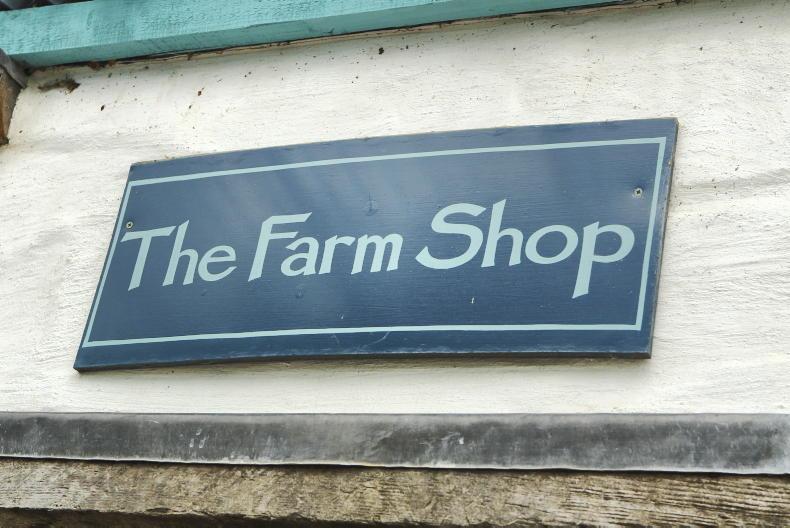
An alternative route that has succeeded for a number of people in Ireland is direct selling to consumers from the farm gate.
To make this work, all of the production and processing issues have to be overcome successfully and then buyers need to be found for the product.
As well as the production and processing skills to get the product ready for market, success depends on the ability to persuade enough people to come and buy the product at a price that will generate enough margin to make the whole enterprise worthwhile.
This can be done, but the challenge should not be underestimated. Shoppers are increasingly drawn to convenience as well as value for money, so their default setting is either large store or online.
Persuading them to switch to even an independent specialist shop like a butcher for meat is difficult and getting them to go a step further again and come to a farm is an even bigger challenge.
Where it succeeds is when the entrepreneur has a persuasive ability to convince shoppers that the whole experience of buying from the farm will be enough to offset the convenience of buying in a supermarket.
Mart or factory will remain best option for most farmers
All of this means that for most farmers the best decision in their business is to concentrate their efforts on doing what they know best, whether that is growing crops, milking cows or rearing calves and lambs.
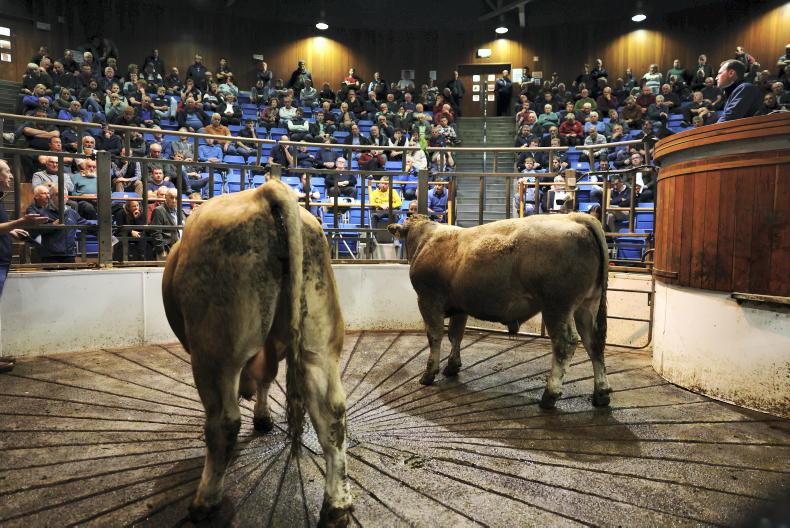
When they have finished that stage, they have a choice of route to market through either a mart or factory or process and sell themselves.
The mart or factory will be the best choice for most farmers, with processing and direct selling remaining a small niche that can only be successfully accessed by committed entrepreneurs who possess a wide range of processing and marketing skills.


SHARING OPTIONS