



The big issue in Irish dairy circles over the past week is the decision by Tirlán to supply US supermarket Costco with Irish butter for sale under Costco’s own brand, Kirkland.
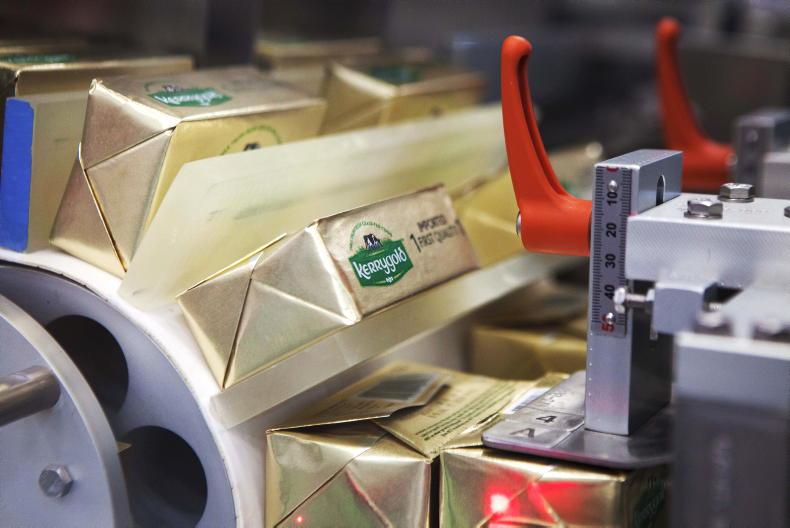
This has been opposed by farm organisations, who, like many Irish farmers, fear that it undermines Kerrygold, the most successful brand ever established in the Irish agrifood sector.
Irish butter sales to the US have been on an upward trajectory over several years and Kerrygold is now the number one branded imported butter and the second most popular butter brand in the country.
It dominates in the retail sector, even though it has faced competition previously from other Irish butter brands.
However, the Tirlán venture with Costco to supply grass-fed Irish butter for its own-label offering is a new departure and it has caused major concern among Irish dairy farmers and their representative organisations.
Already happening in Germany
While this marks a new departure in the US, Kerrygold-branded butter has been in competition with own-label Irish butter in German supermarkets for several years.
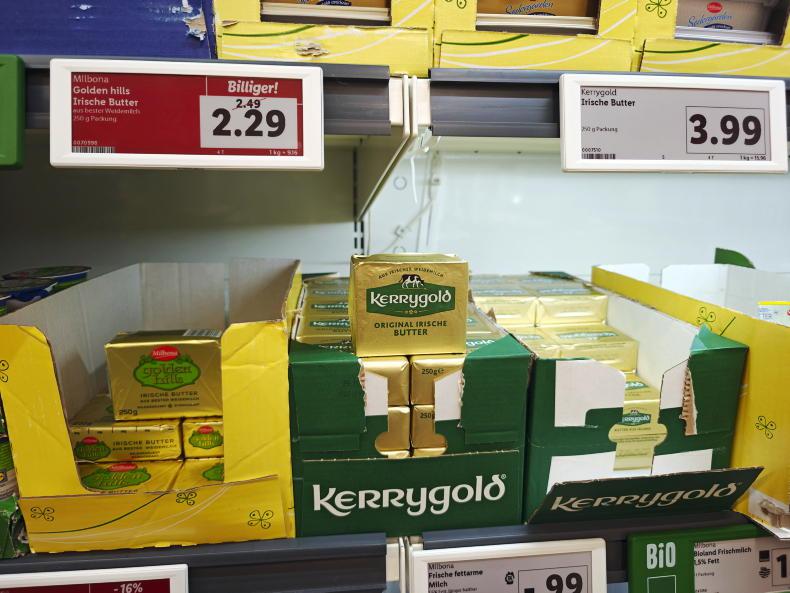
An Irish Farmers Journal visit to German retailers in October 2025 revealed that Kerrygold butter was on the same shelf, side by side, with the supermarket’s own-label offering of Irish butter.
The retail price, as can be seen in the picture (above right), was €3.99 for a 250g pack of Kerrygold butter compared with €2.29 for a 250g pack of own-label, which was a 20c discount on the normal retail price. When converted to a price per kilo, Kerrygold was retailing at €15.96/kg compared with €9.16 for the own-label Irish butter, a significant difference!
While there is a considerable price difference, there is a striking similarity in the packaging and presentation.
The own-label offering carries the strapline “Golden Hills” Irische butter and is surrounded by shamrocks to emphasise its Irish origin. The wrapper itself has a similar gold colour to the Kerrygold product that it is being sold alongside.
Room for both or value lost?
There are two views on how the competition has worked in Germany. One is that in a large butter market, where the Irish offering has been made popular over several decades by the Kerrygold brand, the market is now big enough for both Kerrygold and own-label Irish butter to sell side by side.
In this scenario, Kerrygold maintains its high value and keeps customers that are willing to spend more for a premium brand. Meanwhile, the own-label Irish butter captures the more value-minded shopper that doesn’t want to spend as much but still likes Irish butter!
The alternative view is that these own-label sales take away from what otherwise would be higher value Kerrygold sales and if an own-label offering wasn’t available, the supermarkets would buy more Kerrygold butter and more value would find its way back to Irish farmers.
The fact that Kerrygold isn’t the force it once was in Germany suggests the own label alternative has had a negative impact.
The corporate angle
There is an overlap of interests as Ornua, who manage the Kerrygold brand, is a co-operative owned by Irish farmers and dairy processors one of which is Tirlán.
In its comments, reported by the Irish Farmers Journal last week, it was clear that the Ornua position is that “the greatest long-term value for Irish dairy farmers is created when our members continue to invest through Kerrygold”.
Meanwhile, the Tirlán view was that “private label products are now an established part of the category”, and that it has “a responsibility to evaluate them carefully on behalf of our members”.
Tirlán is a major stakeholder in Ornua as it is one of the largest dairy processors and is, therefore, a major supplier to the Kerrygold butter brand which is sold by Ornua on behalf of all the members. However, Ornua doesn’t sell all of Tirlán’s output, and it is down to themselves to find markets for its production that doesn’t make its way to market through Ornua and the Kerrygold brand.
In this context, Tirlán can still say that it remains committed to supplying Kerrygold and taking the private label route is the next best option for its product that has to find an alternative market.
That, from the Ornua perspective, and the view has also been expressed by dairy farm organisations, is competing on price which “devalues the Irish grass-fed butter proposition”.
It wouldn’t happen in the beef sector
This “conflict” around selling Irish butter is happening because the Kerrygold brand is owned by dairy farmers and processors through the co-op structure. One of the members of the Kerrygold ownership, also a farmer-owned co-op, wants to develop a market opportunity for itself that the others see as a threat to the collectively owned Kerrygold brand.
Irish beef producers have often bemoaned the fact that an Irish beef brand has never been built and posed the question: why don’t we have our Kerrygold equivalent? That Kerrygold has been built into a successful brand was greatly assisted by the co-operative ownership structure of Irish dairy, both at individual processor level and collectively in Ornua to manage the Kerrygold brand.
PGI Initiative
The same co-op model didn’t succeed in Irish beef processing as privately owned companies had an advantage in a sector where fast decisions and manoeuvrability were key to success.
Their business model is built on buying cattle as competitively as possible and selling the component parts for as much as possible in whatever market yielded the best return. There has never been a collective view in the Irish meat processing sector that its own company interests would be best served by a collectively owned and managed brand.
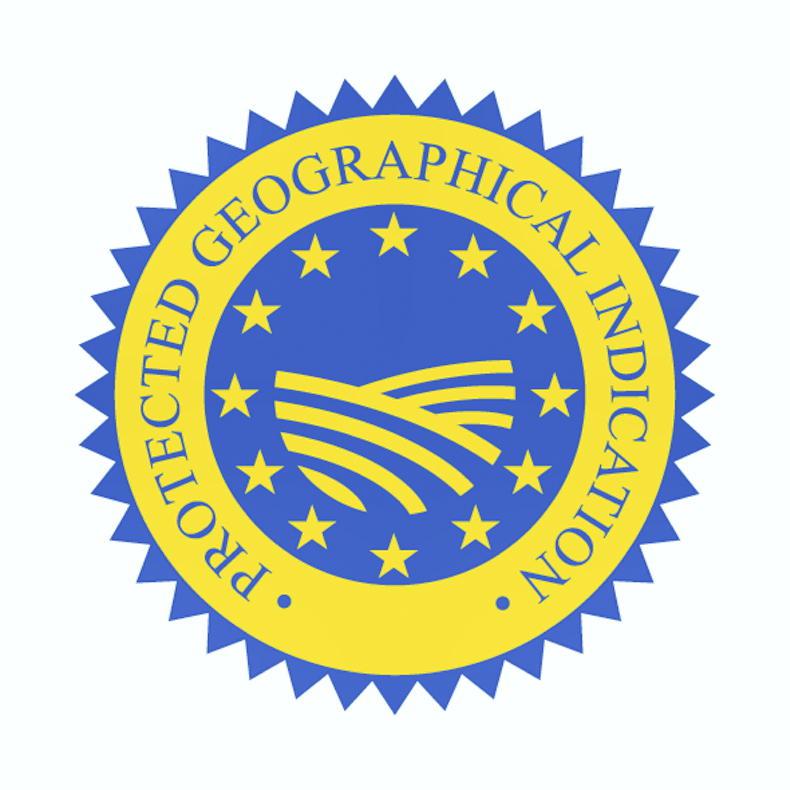
In more recent times, a PGI was secured for grass-fed beef and was launched just over two years ago. So far, it has had limited impact, though one processor has developed some business in this category with a supermarket in Italy. It may in time grow into something more substantial but it will never be the equivalent of Kerrygold.
Comment – it may work for Tirlán but at what price?
For Tirlán, supplying own label butter to Costco is clearly an opportunity for their business. However, it comes at a cost.
At the very least it undermines the premium potential for the Kerrygold brand, if not immediately, in the future.
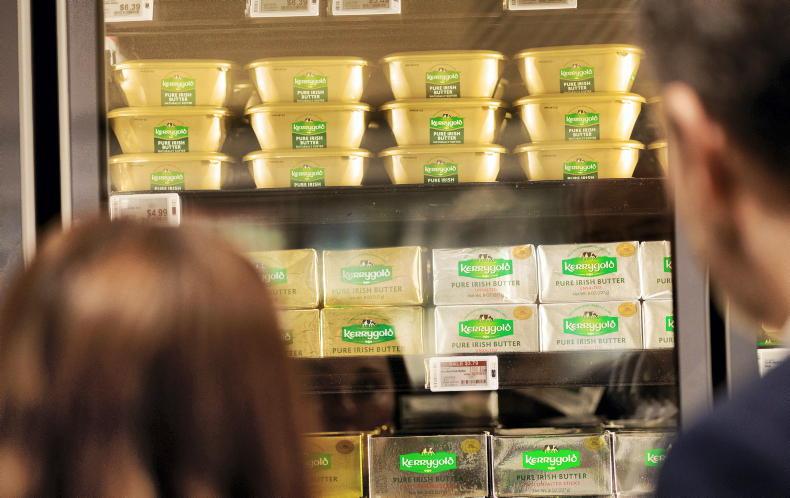
A similar scenario has been ongoing in Germany for over a decade, and while as the picture shows, Kerrygold is still sold at a premium, the fact is that the brand isn’t the force there that it once was. While there may be other factors as well, having an own label alternative has also had an impact.
In the US, Costco’s own label emphasis is grass-fed but the threat to Kerrygold remains. Also, if there is an opportunity for one business to make a solo run, there is a risk that others will follow. There is no upside in any of this for the Kerrygold brand and ultimately Irish dairy farmers will be the losers if it is damaged.



SHARING OPTIONS