



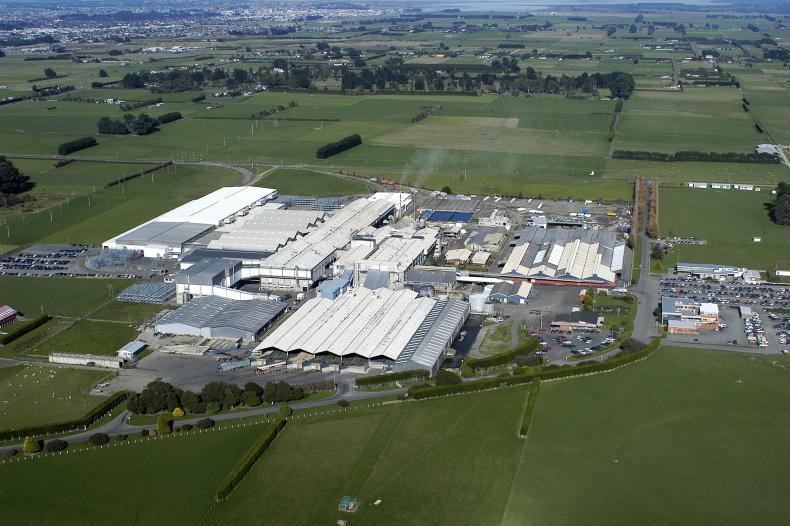
This week, shareholders in Alliance - the New Zealand beef and lamb processing co-operative - voted to back a deal that will see Dawn Meats take a controlling 65% stake in their business.
The Dawn-Alliance strategic partnership will bring what is described as synergies between the businesses.
Dawn CEO Niall Browne was keen to emphasise the two-way nature of the partnership when he spoke to the Irish Farmers Journal earlier this week.
We put it to him bluntly - was this deal a threat to Irish farmers that currently sell cattle and sheep to Dawn’s Irish factories and their Dunbia counterparts in the UK?
He was equally blunt in replying that the deal was an opportunity. He pointed to how Alliance could open doors in the US for Irish and indeed British beef and lamb.
That would be a breakthrough, because after more than a decade in the market, Irish beef has made negligible impact in the US and lamb exports are just starting out.
It was also interesting to hear that we can learn from their sheepmeat processing and that his New Zealand partners have given him more ideas on byproduct use.
Opposite view
With the Dawn management team focused on the immediate future of integrating a major New Zealand business with capacity to process 500,000 cattle and six million sheep, there may be concern that focus may be reduced on the Irish business.
This matters for farmers feeding cattle this winter or preparing for another cycle of lambing in the new year who depend on factories returning a viable price to justify their work and investment.
This has been the first year in recent times when farming cattle and to a lesser extent sheep became financially viable after many years of miniscule profits.
As major processors spread their wings in Britain, continental Europe and now New Zealand, there may be concern that Irish farmers matter less to their overall business success.
If ABP can make more money in Poland, Dawn in New Zealand, Kepak in England or Liffey in France, where does that leave their Irish investment?
Economic realities
The reality is that processors will want to maximise the return from all their locations and success in one country doesn’t necessarily come at the expense of another.
Indeed, the opposite may in fact be the case, as Niall Browne alluded to when speaking to the Irish Farmers Journal this week.
Major customers whether at national or global level are major volume users of beef, lamb and dairy.
They demand a consistent supply of high-quality product and a phone call at the end of the week to say 'the cattle kill was down this week and we won’t make our delivery targets next week' simply cannot happen.
The risk of this scenario arising is greatly reduced if a processor has multiple locations from which they can draw supply and keep the customer on board.
There is also a perception that small is good and large is bad when it comes to industry in general. It is less prevalent in the dairy sector because much of the processing is co-op-based with farmer shareholders and therefore a greater sense of farmer control.
In meat processing, which is privately owned with negligible financial information published, there is much less trust among farmer suppliers.
Ireland continues to have a strong network of significant meat processors outside the large groups. These companies tend to be very tightly managed, often owner and family driven.
Trading relationships are built over years, as is trust, with both customers and farmer suppliers.
They may not have the capacity to service the largest customers, but can often identify high-value lower-volume markets that may not have the same attraction to the large groups.
By supplying high-value customers and keeping a tight control of production costs, they provide valuable competition in the Irish processing industry.
Irish farmers are best served by a strong processing industry that ideally has a mix of large and small players operating alongside an active live trade in cattle and sheep.
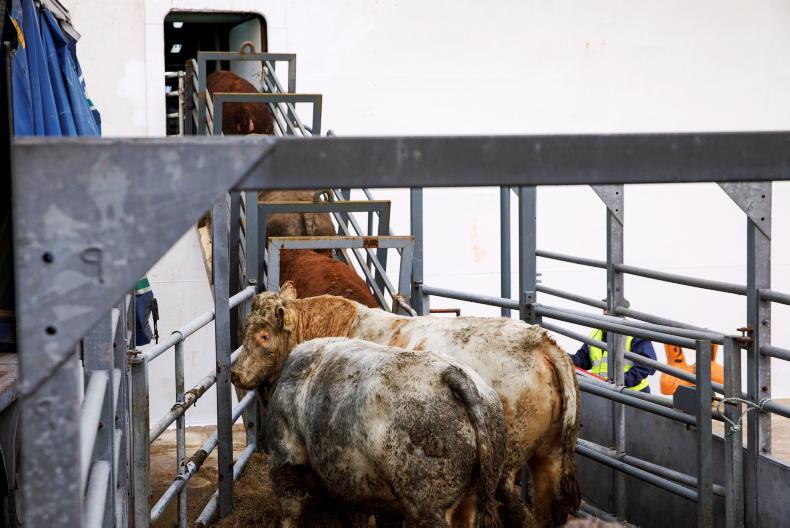
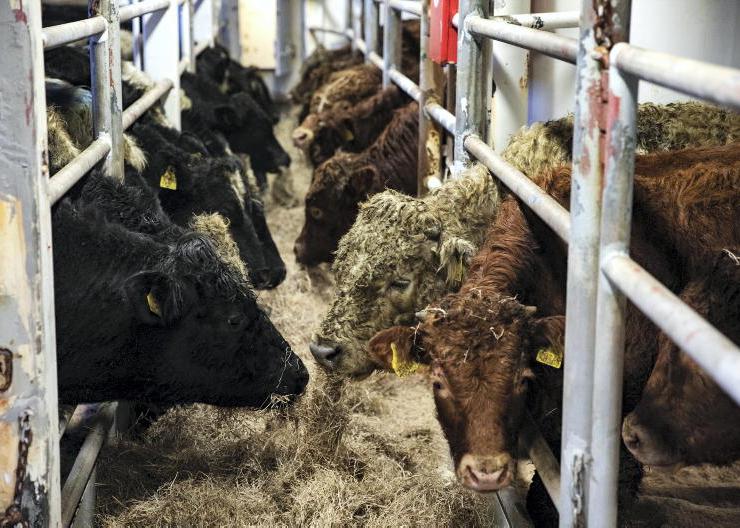
It can be argued that live exports are a missed opportunity to add value at home, but live shippers only get cattle where they pay more than the factories or competitors buying them to feed for the factories.
The biggest threat to the viability of the Irish cattle and sheep industry isn’t from large processors looking to expand elsewhere or live exports - it is from the real risk of prolonged decline in the number of livestock being produced on Irish farms.
Nothing will undermine the viability of a factory more than not enough cattle or sheep to process.
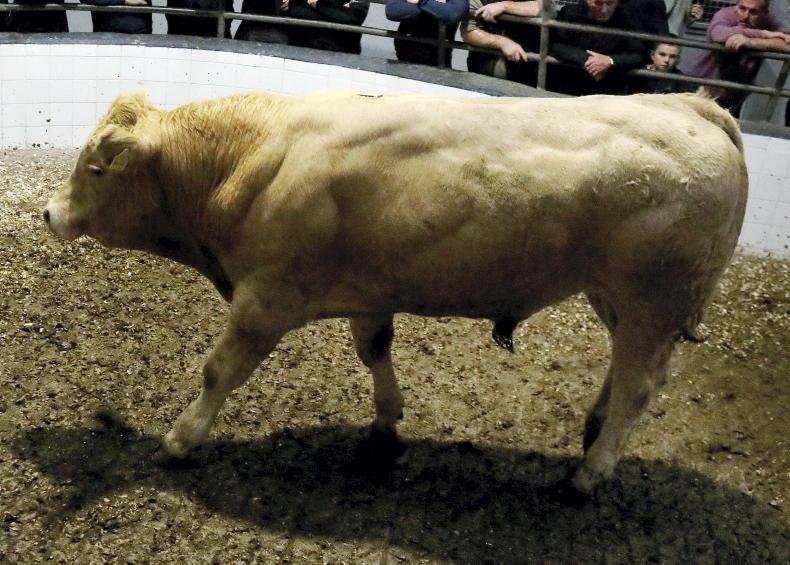
It is the same with a mart - if there isn’t enough quality stock on offer, live shippers won't be around the ring or online looking to buy.



SHARING OPTIONS