Over the Christmas and New Year holidays four decades ago, Irish farming was rocked by the news that Cork Marts had decided to call time on its involvement in meat processing.
The move marked a key turning point in the story of Irish beef processing. The closure by Cork Marts of its Irish Meat Packers (IMP) factories in December 1985 – which came just 15 months after the collapse of the other farmer-owned co-op Clover Meats - sounded the death knell for direct farmer involvement in the meat processing sector.
IMP’s sale also ended the dream of farmer control of the livestock industry - through its co-ops – from birth, to sale and finally to slaughter.
Cork Marts’ exit from the meat business was in sharp contrast to its entry in January 1969 which was characterised by a mix of hope and hype.
The decision by Cork Marts to purchase IMP was influenced by a contention that farmers needed to become directly involved in meat processing to address persistently low beef-farmer incomes.
The National Farmers Association (NFA) blamed factory profiteering for the failure of the Anglo-Irish Free Trade Agreement (AIFTA) of 1965 to reduce the differential between Irish and British cattle prices.
The IMP purchase was facilitated and backed by the NFA and Macra na Feirme, and by the Irish Farmers Journal, and its influential editor Paddy O’Keeffe.
O’Keeffe is believed to have been instrumental in persuading IMP’s chief executive and main shareholder Frank Quinn to accept the Cork Marts’ offer – a move he bitterly regretted later when the business struggled and eventually failed.
By the time a funding campaign ended in January 1969, more than 28,000 farmers had committed £3.2m to finance the Cork Marts’ offer.
The takeover transformed the Irish meat sector as farmers now owned the largest meat processor in the country, which had the capacity to kill 7,000 cattle a week at its plants at Grand Canal Street in Dublin and in Leixlip.
The IMP purchase also meant farmer-owned co-operatives controlled 55% of the national beef slaughtering capacity in 1969.
As well as IMP’s 35% of the kill, a further 20% was in the hands of Clover Meats at its plants in Waterford, Limerick and Wexford.
Farmer reaction to the purchase was summed up in the ICOS annual report. It described 1969 as “the year when farmers won control over the meat processing and marketing industry”.
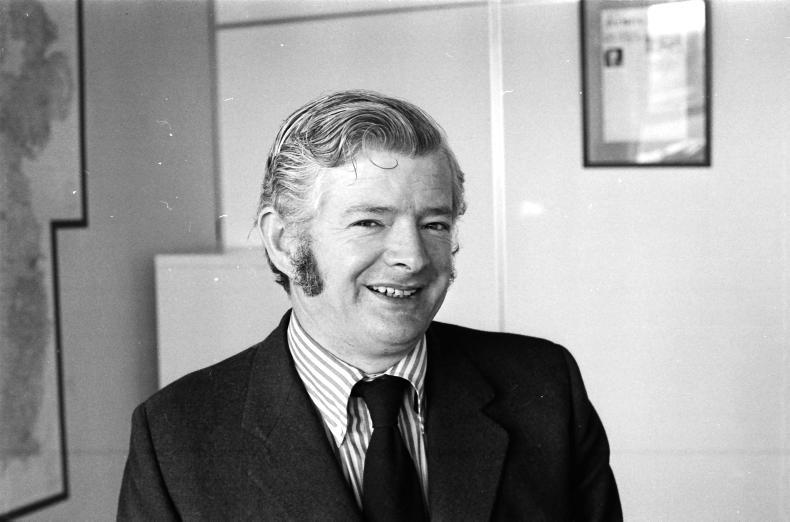
Paddy O'Keeffe of the Irish Farmers Journal.
Early euphoria
However, this early euphoria gave way to grim reality within three short years when it emerged that IMP had amassed £800,000 in losses in 1971, and was losing money at a similar rate in 1972.
The news sent shockwaves through the Irish agricultural sector, and resulted in the removal of Terry Kennedy as chief executive of the business.
Kennedy was replaced by Jerry Beechinor who headed up Cork Marts, the driving force behind the IMP purchase in 1968-69.
The disappointment of 1971-72 failed to dampen the ambition of the new co-op’s backers, and IMP added two further factories to their stable – at Midleton and Athleague – during the 1970s.
However, scale did not ensure efficiency or guarantee profits and IMP struggled through the 1970s to consistently make money.
Indeed, by 1980 the business was back in the red, with the Irish Farmers Journal estimating that losses totalled £1.2m for the year. IMP moved to counter its rising cost base by closing its factory at Grand Canal Street in Dublin in January 1981.
Grand Canal Street was one of the most modern beef slaughter plants in Europe in the early 1960s, but two decades later it had become a major cost burden for IMP, with losses at the site exceeding £1.5m in the three years prior to its closure.
Management attributed the losses to high staffing and pay levels. Unions blamed a lack of investment in the site.
IMP was not the only Irish co-op to struggle in the meat processing industry in the 1970s and 1980s.
Clover Meats was also under pressure financially. High borrowings accrued during a major expansion in the 1960s - which left the co-op with factories in Waterford, Wexford, Clonmel, Dublin, Cork and Limerick - ultimately undermining the business.
By the early 1980s the Irish Farmers Journal was describing Clover Meats as a ‘hostage to its balance sheet’ and to its legacy debts. In 1983 for example, the co-op’s entire trading profit of £1.27m was consumed by interest payments, and these charges exceeded £1m for the three previous years.
The business was essentially running to stand still, as it was unable to reduce its overall level of borrowings. These debts eventually precipitated Clover Meats collapse in autumn 1984.
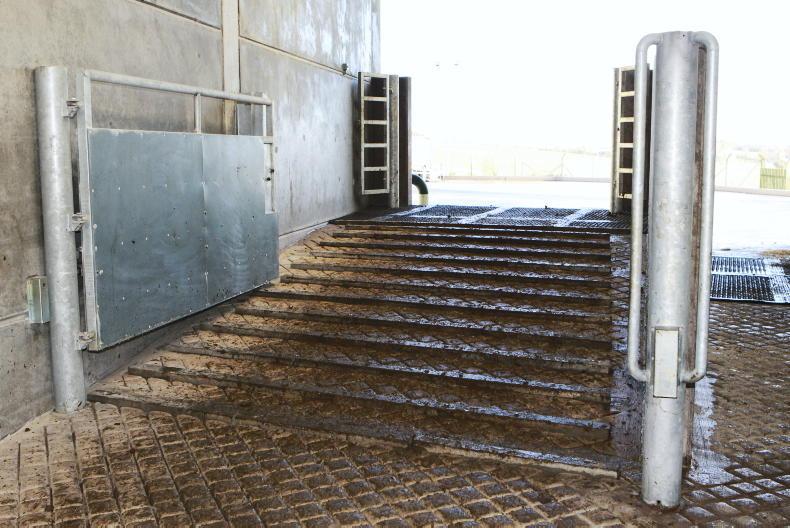
The IMP purchase also meant farmer-owned co-operatives controlled 55% of the national beef slaughtering capacity in 1969.
Significant losses
Among those nursing significant losses as a result of Clover Meats’ demise were 750 farmers who were owed more than £1.64m for cattle and pigs supplied to the co-op prior to its closure.
Unlike Clover Meats, IMP had ample shareholder funds to cover its debts.
However, the losses recorded by IMP in the early 1980s meant that by 1984 borrowings had increased to £7.2m, while shareholder funds had dropped to £7.25m. The co-op was essentially running down its liquidity.
Further losses in 1985 pushed shareholder funds under £6m and left management at Cork Marts very little room for manoeuvre.
Cork Marts could not afford a ‘Clover Meats-style chaotic collapse’ as the co-op required the goodwill of farmers to continue its livestock sales business. Cork Marts meat division was therefore closed and its meat factories sold.
The dream of farmer ownership of meat processing was over.
The industry was now firmly in private hands.
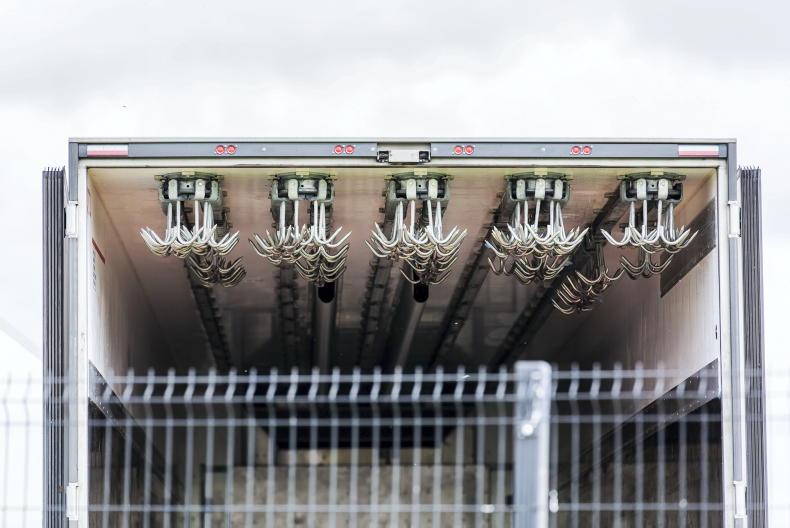
It emerged that IMP had amassed £800,000 in losses in 1971, and was losing money at a similar rate in 1972.\ Philip Doyle
GVM and NCF suffer losses
Golden Vale Marts (GVM) and North Connaught Farmers (NCF) also recorded significant losses as a result of meat processing ventures in the 1970s.
GVM lost more than £500,000 as a result of its purchase and development of a beef factory in Rathdowney, Co Laois.
Indeed, losses at GVM’s meat division, which traded as Golden Vale Meats, almost compromised the viability of the entire business.
Similarly, NCF’s meat factory at Deepwater Quay in Sligo lost almost £1.2m between 1977 and 1980, before management at the dairy co-op decided to exit the sector.
Former ICOS executive Maurice Colbert said the story of co-ops in meat processing was both “chastening and sad”.
“The entry of the co-operatives into beef proved to be a costly, futile and ultimately very damaging experience for Irish farmers involved in livestock,” he maintained.
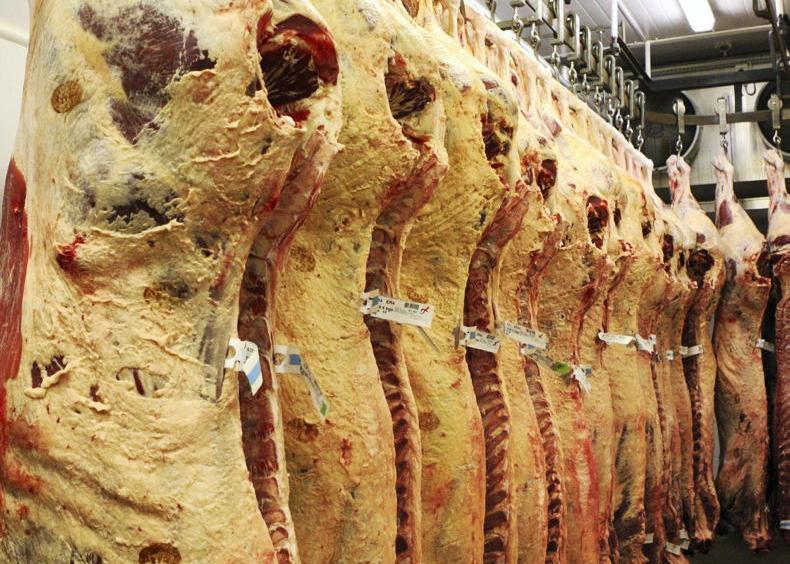
Over the Christmas and New Year holidays four decades ago, Irish farming was rocked by the news that Cork Marts had decided to call time on its involvement in meat processing.
The move marked a key turning point in the story of Irish beef processing. The closure by Cork Marts of its Irish Meat Packers (IMP) factories in December 1985 – which came just 15 months after the collapse of the other farmer-owned co-op Clover Meats - sounded the death knell for direct farmer involvement in the meat processing sector.
IMP’s sale also ended the dream of farmer control of the livestock industry - through its co-ops – from birth, to sale and finally to slaughter.
Cork Marts’ exit from the meat business was in sharp contrast to its entry in January 1969 which was characterised by a mix of hope and hype.
The decision by Cork Marts to purchase IMP was influenced by a contention that farmers needed to become directly involved in meat processing to address persistently low beef-farmer incomes.
The National Farmers Association (NFA) blamed factory profiteering for the failure of the Anglo-Irish Free Trade Agreement (AIFTA) of 1965 to reduce the differential between Irish and British cattle prices.
The IMP purchase was facilitated and backed by the NFA and Macra na Feirme, and by the Irish Farmers Journal, and its influential editor Paddy O’Keeffe.
O’Keeffe is believed to have been instrumental in persuading IMP’s chief executive and main shareholder Frank Quinn to accept the Cork Marts’ offer – a move he bitterly regretted later when the business struggled and eventually failed.
By the time a funding campaign ended in January 1969, more than 28,000 farmers had committed £3.2m to finance the Cork Marts’ offer.
The takeover transformed the Irish meat sector as farmers now owned the largest meat processor in the country, which had the capacity to kill 7,000 cattle a week at its plants at Grand Canal Street in Dublin and in Leixlip.
The IMP purchase also meant farmer-owned co-operatives controlled 55% of the national beef slaughtering capacity in 1969.
As well as IMP’s 35% of the kill, a further 20% was in the hands of Clover Meats at its plants in Waterford, Limerick and Wexford.
Farmer reaction to the purchase was summed up in the ICOS annual report. It described 1969 as “the year when farmers won control over the meat processing and marketing industry”.

Paddy O'Keeffe of the Irish Farmers Journal.
Early euphoria
However, this early euphoria gave way to grim reality within three short years when it emerged that IMP had amassed £800,000 in losses in 1971, and was losing money at a similar rate in 1972.
The news sent shockwaves through the Irish agricultural sector, and resulted in the removal of Terry Kennedy as chief executive of the business.
Kennedy was replaced by Jerry Beechinor who headed up Cork Marts, the driving force behind the IMP purchase in 1968-69.
The disappointment of 1971-72 failed to dampen the ambition of the new co-op’s backers, and IMP added two further factories to their stable – at Midleton and Athleague – during the 1970s.
However, scale did not ensure efficiency or guarantee profits and IMP struggled through the 1970s to consistently make money.
Indeed, by 1980 the business was back in the red, with the Irish Farmers Journal estimating that losses totalled £1.2m for the year. IMP moved to counter its rising cost base by closing its factory at Grand Canal Street in Dublin in January 1981.
Grand Canal Street was one of the most modern beef slaughter plants in Europe in the early 1960s, but two decades later it had become a major cost burden for IMP, with losses at the site exceeding £1.5m in the three years prior to its closure.
Management attributed the losses to high staffing and pay levels. Unions blamed a lack of investment in the site.
IMP was not the only Irish co-op to struggle in the meat processing industry in the 1970s and 1980s.
Clover Meats was also under pressure financially. High borrowings accrued during a major expansion in the 1960s - which left the co-op with factories in Waterford, Wexford, Clonmel, Dublin, Cork and Limerick - ultimately undermining the business.
By the early 1980s the Irish Farmers Journal was describing Clover Meats as a ‘hostage to its balance sheet’ and to its legacy debts. In 1983 for example, the co-op’s entire trading profit of £1.27m was consumed by interest payments, and these charges exceeded £1m for the three previous years.
The business was essentially running to stand still, as it was unable to reduce its overall level of borrowings. These debts eventually precipitated Clover Meats collapse in autumn 1984.

The IMP purchase also meant farmer-owned co-operatives controlled 55% of the national beef slaughtering capacity in 1969.
Significant losses
Among those nursing significant losses as a result of Clover Meats’ demise were 750 farmers who were owed more than £1.64m for cattle and pigs supplied to the co-op prior to its closure.
Unlike Clover Meats, IMP had ample shareholder funds to cover its debts.
However, the losses recorded by IMP in the early 1980s meant that by 1984 borrowings had increased to £7.2m, while shareholder funds had dropped to £7.25m. The co-op was essentially running down its liquidity.
Further losses in 1985 pushed shareholder funds under £6m and left management at Cork Marts very little room for manoeuvre.
Cork Marts could not afford a ‘Clover Meats-style chaotic collapse’ as the co-op required the goodwill of farmers to continue its livestock sales business. Cork Marts meat division was therefore closed and its meat factories sold.
The dream of farmer ownership of meat processing was over.
The industry was now firmly in private hands.

It emerged that IMP had amassed £800,000 in losses in 1971, and was losing money at a similar rate in 1972.\ Philip Doyle
GVM and NCF suffer losses
Golden Vale Marts (GVM) and North Connaught Farmers (NCF) also recorded significant losses as a result of meat processing ventures in the 1970s.
GVM lost more than £500,000 as a result of its purchase and development of a beef factory in Rathdowney, Co Laois.
Indeed, losses at GVM’s meat division, which traded as Golden Vale Meats, almost compromised the viability of the entire business.
Similarly, NCF’s meat factory at Deepwater Quay in Sligo lost almost £1.2m between 1977 and 1980, before management at the dairy co-op decided to exit the sector.
Former ICOS executive Maurice Colbert said the story of co-ops in meat processing was both “chastening and sad”.
“The entry of the co-operatives into beef proved to be a costly, futile and ultimately very damaging experience for Irish farmers involved in livestock,” he maintained.
SHARING OPTIONS