



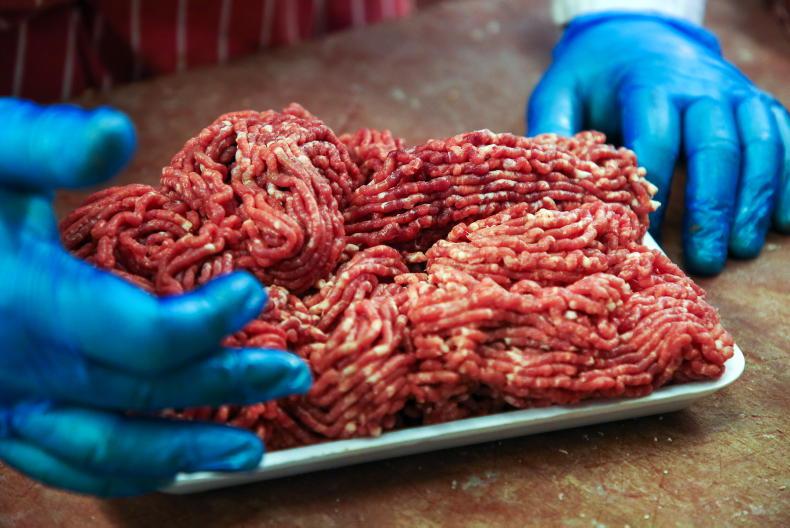
US president Donald Trump announced in a social media post that he had concluded a deal to allow 300,000t of ground (minced) beef to be imported to the US. Shipments under the deal would not have to pay the usual ‘out of quota’ tariffs.
Trump said the deal would “substantially lower” beef prices for Americans, while giving the US cattle herd time to rebuild.
The removal of out-of-quota tariffs will last for 90 days, the president said, which is a period that includes the upcoming mid-term elections in the US. Food prices and inflation have become a key election issue, so the political motivation behind the announcement is obvious.
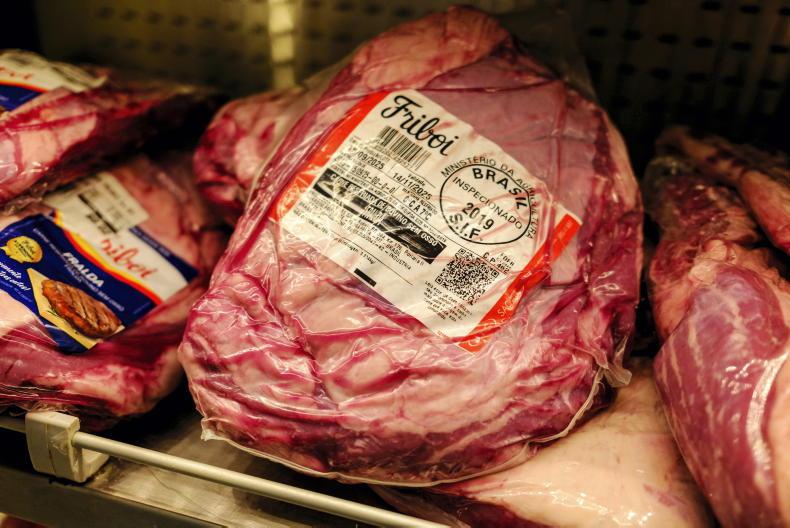
The post was, as is usual with Trump, very thin on details. There is no indication whether an actual deal was done with anyone, or if this was a unilateral action by the US. The president did say that the beef would be sold at a 25% discount below current market prices, which does point to Brazil being the main source of the new imports.
The South American country currently operates under a tiny access quota for its beef exports to the US. That quota was filled in the opening days of 2026, with all subsequent shipments subject to a 26.4% out of quota tariff. The removal of that tariff, which is paid by the importer, would potentially reduce the price of beef to the American consumer by the 25% cited by Trump.
While the timing of the announcement is aligned with the US election cycle, it is also very well timed for the Brazilian beef industry, that will fill its quota for exports to China in the coming weeks. Once that quota is filled, subsequent shipments of Brazilian beef to China will be subject to a 55% tariff rate until the end of the year.
As well as the loss of the Chinese market, Brazil has also seen the EU market completely closed to its meat and animal products, despite the ratification of the Mercosur trade deal earlier this year.
The delisting of the country’s beef by the EU, set to be implemented from 3 September, removes a potential alternative market for Brazil’s beef exporters looking to find a new home for China supplies.
From a Brazilian beef processor point of view, the announcement from Trump could not have been better timed.
In the first seven months of this year Brazil exported 242,500t of beef to the US, second only to Australia – a country which has not faced the same out of quota tariff levels for exports to the US (see Figure 1). Ireland exports negligible amounts of beef to the US (see page 26).
While the reaction to the announcement will have been welcomed in Brazil, cattle farmers in the US are far from impressed.
Colin Woodall, CEO of the National Cattlemen’s Beef Association (NCBA), expressed disappointment with the policy saying: “While America’s cattle producers share the goal of keeping groceries affordable for consumers, flooding the market with government-subsidised, below-market beef is not the way to rebuild the American cattle herd.” Adding that the announcement and other market interventions “throw cold water on the prospect of herd expansion and sacrifices long-term stability for short-term messaging”.
Elsewhere in US trade policy, we have seen the breakdown in relations with Canada, following the failure to reach a fresh trade deal.
A range of products from plywood to electrical equipment to hockey sticks now face a 50% tariff when shipped from Canada to the US. Both sides blamed each other for the failure of the talks. Trump has since threatened to increase tariffs on cars, trucks, and steel from Canada from 1 January next, saying “we don’t need Canada, they need us”.
So far, neither side has suggested that agricultural products or fertiliser would be included in the list of goods targeted in the emerging trade dispute.



SHARING OPTIONS