This time last week, it was becoming clear that the latest conference of the parties (COP), hosted by Turkey with Australia as co-chair, would break up without agreement.
In the end, there was little surprise at the outcome.
The event failed to attract major political engagement, as well as the superpowers of China, the United States and Russia holding their own separate summit during the final days of this year's gathering.
Fossil fuels the problem
While finance and the need for consensus contributed to the failure to secure a declaration, by far the most important reason was the push back from countries that are heavily dependent on the production of fossil fuels not agreeing to a declaration that would include a reference to phasing them out of use.
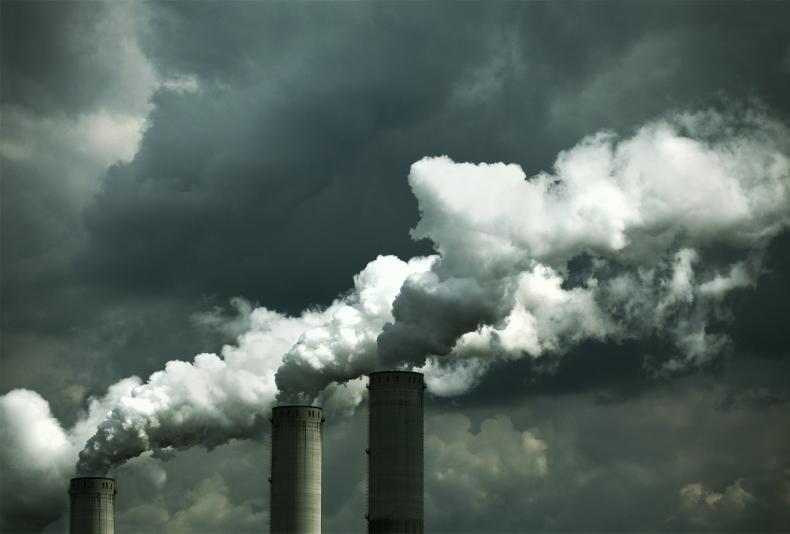
It is generally accepted that the use of fossil fuels is a major contributor to global greenhouse gas emissions.
However, they are the main sources of wealth creation for a number of countries, particularly in the Middle East, which don’t have obvious alternative means of wealth creation.
The US and Russia are also major producers, as well as users, and the economies of the developed world are all fossil fuel-dependent.
Alternative path
Even with maximum willingness among all countries, the road to elimination of fossil fuel use is both long and uncertain.
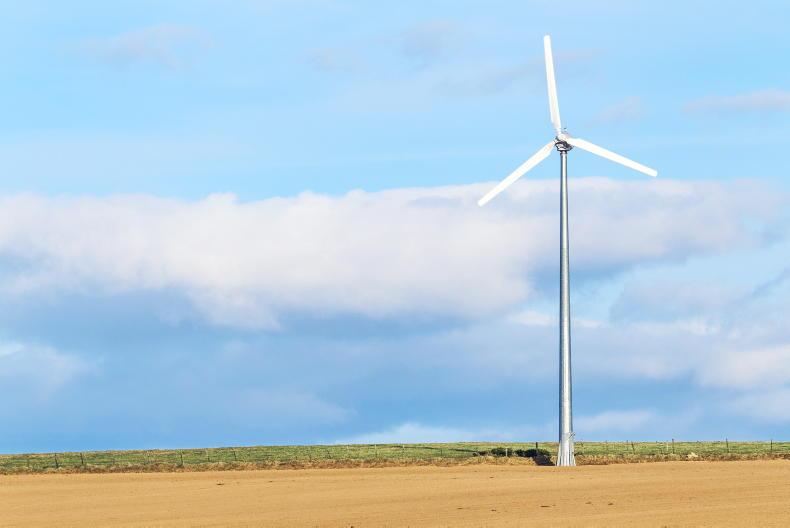
Many countries, including Ireland, have demonstrated it is possible to reduce dependence on them and develop alternative sources of energy generation from wind and the sun, while nuclear is the most efficient of all, though its use makes many people uneasy.
If there wasn’t demand for fossil fuels, then the view of producing countries wouldn’t really matter because, if there weren’t buyers, there would be no reason for their production.
On the basis that it takes two to tango, the countries and people that use fossil fuels have a shared responsibility for ending their use, as well as the producers.
Very few people will put their hand up and volunteer that they will phase out their use at a personal level, even over a period of time.
Electric vehicles
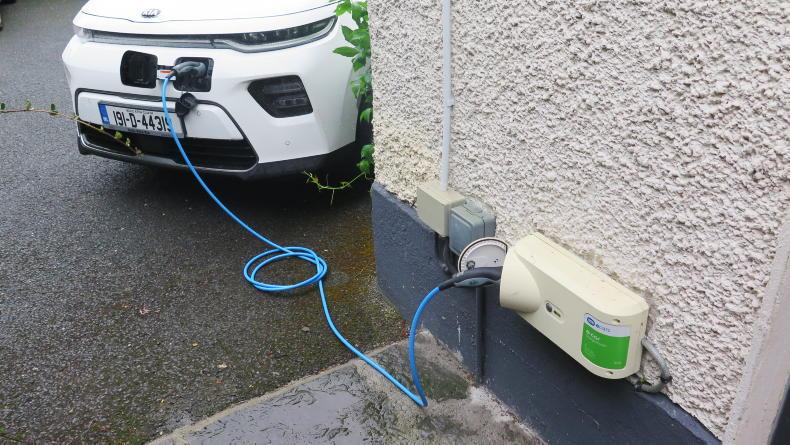
A good example is the switch to the use of electric vehicles (EVs) as the main means of personal and family transport instead of the more traditional petrol or diesel vehicle.
EVs have been in commercial use for over a decade, but their adoption was slow. The reality was that the earlier models had limited range, finding chargers was troublesome and, in general, people found the petrol or diesel car a much more convenient option and that was what they chose.
More recently, the popularity of EVs has surged in Ireland and most other European countries.
This doesn’t reflect a newfound belief in the need to reduce fossil fuel use, but rather is a response to the fact that petrol and especially diesel costs have surged, first with the Russian invasion of Ukraine and then with the conflict in the Middle East when the US and Israel attacked Iran.
This isn’t confined to the use of EVs, there has also been a renewed interest in the use of solar panels as a means of providing domestic heat and light, again little to do with a philosophical objection to the use of fossil fuels, but rather a response to the increase in their cost!
Government's position
It is easy for an individual country or group of countries that aren’t major producers of fossil fuels to suggest that their production should be reduced.
However, when it comes to a national interest, this tends to get protected whatever the cost. Middle Eastern countries will defend their fossil fuel production, Australia will defend mining and would Ireland be willing to give up data centres, which are hungry for energy but major contributors of corporation tax?
International forums such as COP 31 can be useful at identifying issues and increase the understanding of the consequences of climate change.
They may set targets and have ambitions, but, ultimately, the real problem is an unwillingness in the developed world to accept the inconvenience of switching from fossil fuels until they are either too expensive or the alternative becomes close to as convenient and attractively priced, as EVs now are in comparison with their diesel and petrol alternatives.