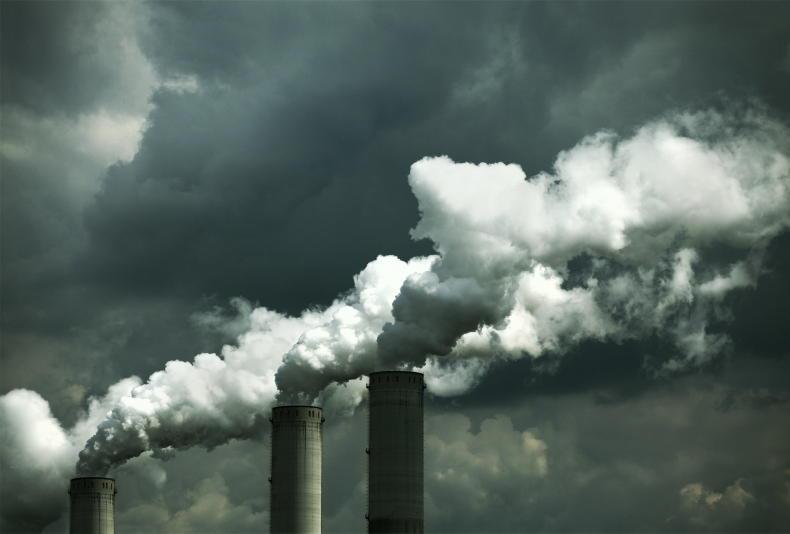
We could hardly have been that surprised that when push really came to shove that Russia and Saudi Arabia were going to object to a real commitment to phase out fossil fuels.
Both are utterly dependent on their fossil fuel income continuing to flow.
The COP gathering in Turkey with almost 100,000 delegates at least laid out the scale of the difficulty in achieving a full consensus around any objective.
There is no doubt in any impartial observer’s mind that fossil fuels are responsible for at least some of the warming that is taking place in the world.
The question is what should be done about it and at what speed?
Truly enormous countries such as China and India are reducing the fossil proportion in their national energy mix, at least partly to reduce the air pollution problem in their major cities, but both are also investing heavily in renewables, both solar and wind.
But both are also saying that a partial dependence on fossil fuels will be a feature of their economies for the foreseeable future.
Germany, despite its huge green lobby, had also to recognise the reality when it pushed through at impressive speed the construction of new gas storage terminals, when it foolishly shut down its nuclear reactors and its supply of natural gas from Russia stopped.
I recently listened to a remarkable lecture from the retired head of Eirgrid Kieran O’Brien, who analysed the Irish policy initiatives that have given us the most expensive domestic electricity prices in Europe and a remarkable 328,000 consumers in arrears with their accounts.
Our environmental campaigners have done us no favours in vigorously objecting to the proposed terminal for importing natural gas in the Shannon estuary.
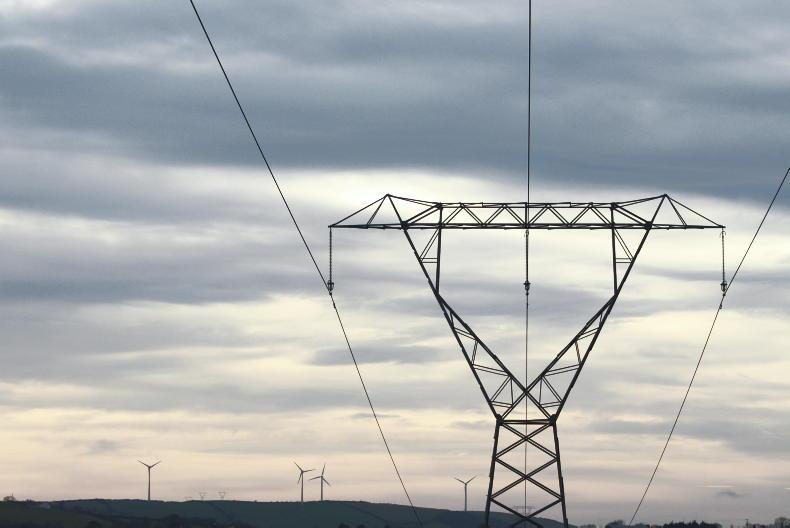
The blocking of the construction of needed high voltage lines for carrying electricity has added insult to injury.
As Kieran O’Brien pointed out, our natural gas prices are now three times what they are in Canada.
We have moved too fast in going in and implementing what may well be a desirable direction, but how far do we and Europe go in imposing costs on our industry and consumers, that render us increasingly less competitive in an unforgiving world?
This logic also applies as much to farming and farmers in Ireland.
At a minimum, there needs to be a rethink on how responsibility for climate policy is shared between the EU and member states, and what discretion is allowed to member states within the overall policy goals.
Ireland is due to release its long-awaited national climate policy within the next few weeks. In the light of the COP failure and recent contributions to the debate, it should be regarded as an indication of likely Government policy rather than the definitive direction of national action.