



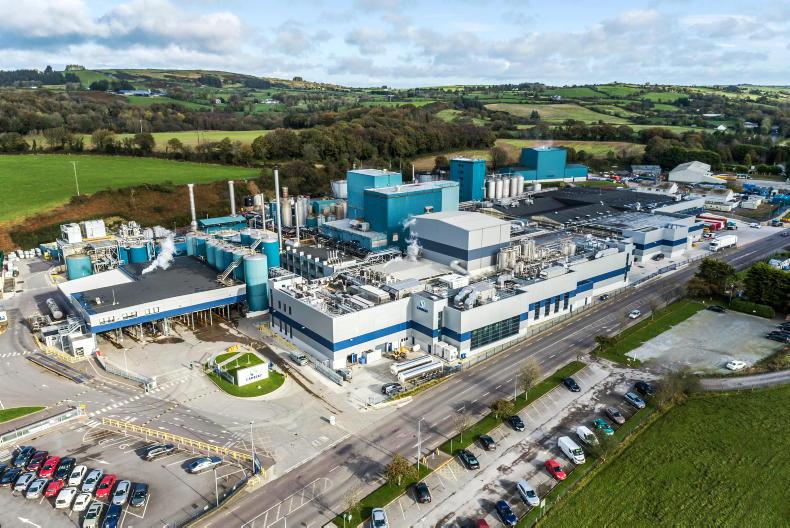
Danish dairy co-operative Arla Foods, which recently completed its merger with Germany’s DMK, produced financial results for the first half of 2026 which the co-op described as one of its strongest first-half performances to date.
Group revenue increased slightly to €7.6bn, while net profit was 35% higher at €213m when compared with the same period in 2025.
Digging into the numbers a bit, it quickly becomes clear that the increase in profits was driven by the protein rather than the fat side of the business. Arla saw butter prices in the first half of the year 26% lower than the same period in 2025, while Gouda cheese was 30% lower. In contrast, average protein prices were 7.6% higher, while whey protein concentrate with 80% protein content (WPC80), which is widely used in sports nutrition, increased by a huge 75% when compared to the first six months of 2025, reaching €20.30/kg.
Price driver
The increase in whey prices, and protein prices more broadly, has been one of the biggest stories in global dairy markets since the turn of the decade.
The surge in prices seen this year has been driven by an expansion in demand meeting supply constraints on the dairy side.
While protein supplements have always been popular among gym-goers, in recent years the market has expanded significantly. Consumers now view protein as a key nutrient for sustained energy and better health in old age, moving past the idea that increasing protein intake was just for bodybuilders.
In the key US market, the popularity of GLP-1 weight-loss medication has given another boost to the market. The appetite-suppression drugs come with recommendations to increase protein intake in order to sustain muscle mass while reducing body fat. There are also some social media trends which are further adding to demand for the product.
Also in the US, the federal guidelines for dietary intake are encouraging a higher protein consumption. A 2025 survey of adults in the US found that 71% said they were trying to eat more protein.
Food companies have reacted to these trends by increasing the amount of protein in their products, while also increasing the visibility of protein content on their packaging. It is notable how many consumer products now include the protein content per serving on the front of their packaging.
There is also growing protein demand from the aging global population. Increasing protein intake helps reduce some of the effects of ageing, such as aiding mobility by reducing age-related muscle wastage. At the other end of the scale, protein is also an essential ingredient in infant formula supplements.
Forecasts for total global protein demand growth vary depending on the source, but all the projections point in the same direction – demand will increase in every year across the medium-term forecast horizon.
It is also clear that what started as a US trend is now a global phenomenon. Some projections see the Asia-Pacific region as the biggest driver of increased demand over the coming years.
By 2050 there will be 1.3 billion people aged over 60 in that region, which should ensure sustained demand.
While the demand side looks like one of sustained growth, the supply side is a little more disjointed.
One of the biggest suppliers to the global protein market is Irish company Glanbia.
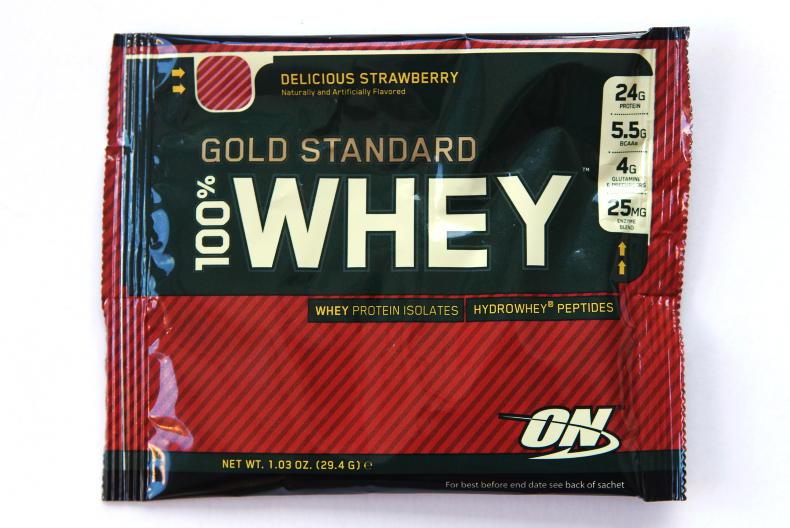
In its most recent market update, the company hiked its forecast for full-year earnings on bumper demand for its protein products. Sales in Glanbia’s Optimum Nutrition protein brand were 25% higher in the first half of the year, even after the company raised prices twice since November 2025.
Hugh McGuire, CEO of Glanbia, said that the company sees GLP-1 medication “as a tailwind for our entire organisation”.
While Glanbia does have some of its own supply through its cheese production in the US, the company does buy from other suppliers to meet its needs. Glanbia flagged a year ago that demand in the market was developing so quickly that the company could face price pressures on its own supplies of whey.
Those pressures led to significantly higher prices, as noted by Arla, but also led to an overall shortage of whey products such as WPC80. Market reports suggest that available supplies of WPC80 in Europe for the first half of this year were sold out by the end of February, with negotiations between buyers and sellers shifting from price to whether any supply could be secured at all.
Dairy reaction
Dairy processors have reacted to this large and developing gulf between supply of whey protein and demand.
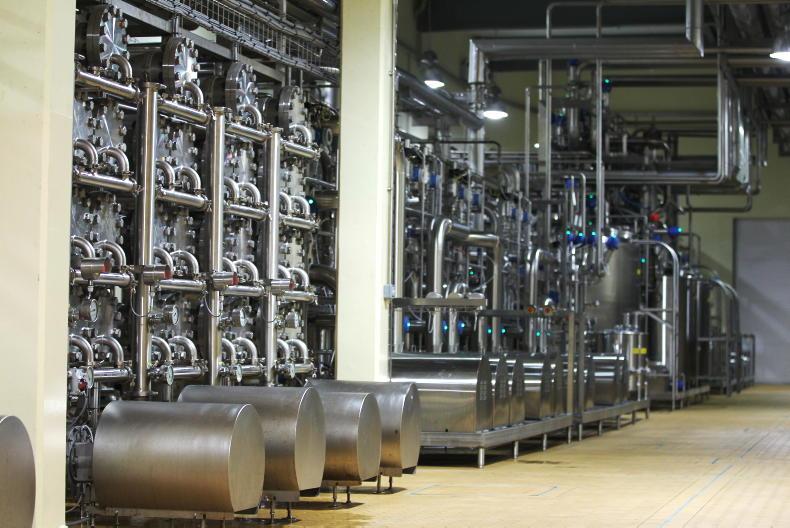
The last 18 months have seen a raft of announcements of significant investments in whey capacity. The world’s biggest processors, such as Fonterra, Lactalis and Arla, have increased investments in the product. In the US, cheese plant investments have increased substantially, with the opportunity to produce whey as a side-product making for much higher potential returns.
FrieslandCampina announced in May this year that it will spend €90m to expand its capacity to convert internally sourced whey into premium protein product ingredients for performance nutrition.
The biggest investment from an Irish perspective is Tirlán’s 2025 announcement of €126m in a new whey processing facility at its Ballyragget site in Co Kilkenny. Construction of that facility is already underway, with production set to begin in the middle of 2027.
Tirlán has whey streams already in place from its cheese facilities in Ballyragget and Wexford, as well as the supply from the Kilkenny Cheese joint venture with Royal A-ware.
The processor already sells significant quantities of WPC80 to customers, including Glanbia, and the new facility will allow it to double capacity as well as increase output of more specialised products such as whey protein isolate (WPI) and clear whey, both of which command a higher price than WPC80.
Outlook
For dairy processors to maintain the strong returns from whey production, they must look after the market. This means making sure that the prices of whey don’t go so high, or the availability falls so low, that customers switch to alternatives.
We are already seeing some of this switching happening as the shortage of WPC is leading to increased demand for milk protein concentrate (MPC) and higher prices for the latter. MPC is made by filtering skim milk to concentrate the protein. This is not a simple process, and higher concentrations of protein, in the form of casein and whey, in the MPC lead to increases in cost per kg.
From the customer point of view, WPC and MPC are not straight substitutes either from a functional or a performance perspective.
WPC has little or no milk flavour left, and dissolves quickly in the body, making it suitable for adding to drinks, snacks and powders.
MPC is fundamentally still milk, so it tastes like milk. It works best in milkshake drinks and yoghurts. The energy release from MPC is also much slower, so it does not give the immediate energy hit provided by WPC.
This means that WPC and MPC are not easy substitutes.
Retail customers, however, may be drawn towards the cheaper protein availability in MPC products.
An ordinary consumer may not be overly concerned about how quickly the protein is absorbed, instead concentrating on their total protein intake. There already is some evidence of this seen in the explosion of demand in the yoghurt market, which is an MPC.
Irish processors are already significant suppliers to this sector, with Kinisla and Dairygold among suppliers of MPC.
Plant proteins are also a growing source for the market starved of supply.
However, dairy-based proteins outperform plant-based proteins due to their complete profile of all nine essential amino acids and their very high digestibility.
Dairy proteins also outperform plant proteins in the manufacturing process when they are added to other foods.
They dissolve easily, mix well with other ingredients and have a pleasant flavour profile.
Plant proteins, on the other hand, pose formulation challenges as they tend to have lower solubility and can add a bitter taste to products.
Comment
The global trend towards increased protein consumption seems set to continue over the coming years. The drivers of the increase in demand are diverse, both from a geographic and a consumer-cohort perspective, which means the growth is not subject to a single fad or lifestyle trend.
This is great news for the Irish dairy sector as one of the main sources of that protein, whey, is produced in large quantities here, with that production set to increase over the coming years. There is also significant capacity for milk protein production which can serve as an alternative to whey protein in certain circumstances.
The emergence of plant protein as a challenger to dairy proteins should not be ignored, but the functional and performance challenges that come with that product make it a poor substitute for now.
However, pricing does matter, and if production is not ramped up fast enough to meet demand, then any alternative will be viewed by the market as better than no protein at all. It is therefore critical that Irish processors continue to invest in this market, to both drive future growth and serve the needs of their customers.


SHARING OPTIONS