We are now eight to 10 weeks into winter on a lot of farms. Christmas is a good time to take stock of what fodder supplies are in the yard. Make a note of how many bales or how much pit silage is being used each week and calculate how much will be needed until turnout. Build in a few weeks of a buffer in case 2024 brings a late spring. It might be easier to take action now by restricting some animals, or buying some extra silage earlier rather than later. While there appears to be plenty of silage around, a late spring could drive the price up very quickly. Take a look at some of the later-calving cows to see if they could be restricted a little more or put on straw for a day or two a week to restrict silage usage. While meal is very expensive, feeding a little extra to weanlings will help reduce silage requirements and help liveweight performance.
Body Condition Score (BCS): Keep an eye on suckler cow BCS. If silage quality is poor there is a risk that BCS could drop off. Take a walk through your cows and look at their condition. They need to be around a 2.5 at calving. A score of 1.0 is very thin, while a score of 5.0 is very fat. Calving with too much condition or calving thin cows will lead to problems. Addressing these issues a few months from calving will lead to better results. Can you separate out thin cows or first-calving heifers for some preferential treatment and then restrict the rest of the herd if they are over fleshed?
ADVERTISEMENT
Coccidiosis
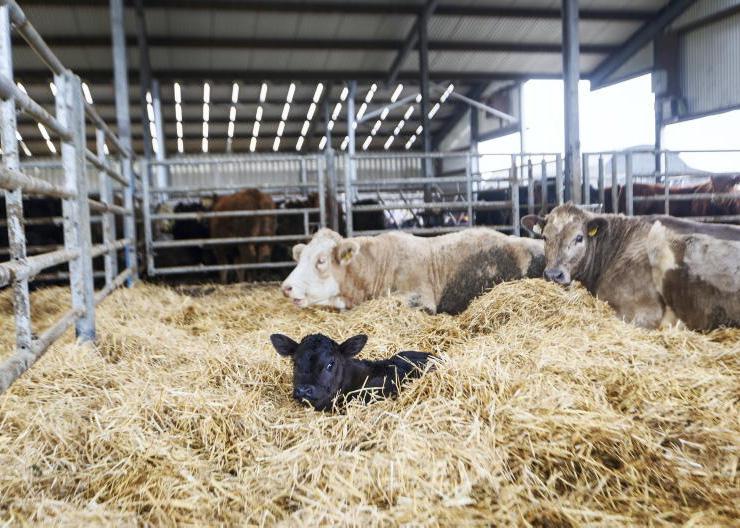
This can sometimes become an issue in autumn-calving herds. Inadequate bedding can be a cause. Calves ingesting faecal material will aid the spread of this parasite. Faecal samples can be taken to determine level of infection, however, veterinary advice is that if you have one confirmed case in a group of calves, you are better to treat the whole bunch, as the chances are the rest have been infected. Adequate bedding, good hygiene and keeping feed troughs off the ground will help to reduce disease spread.
Break/family time
Don’t forget to take a break over the Christmas period. On many beef farms workload can be kept to a minimum over the next seven to 10 days, with daily herding tasks and feeding animals just carried out. Spend some time with family and away from the farm. This can sometimes help solve problems and issues when you come back with a fresh look at things. With spring-calving and lambing only a few weeks away, it’s important to recharge. I also want to wish all our Irish Farmers Journal readers a happy Christmas, and the health and good luck to make 2024 a prosperous year.
Register for free to read this story and our free stories.
This content is available to digital subscribers and loyalty code users only. Sign in to your account, use the code or subscribe to get unlimited access.
The reader loyalty code gives you full access to the site from when you enter it until the following Wednesday at 9pm. Find your unique code on the back page of Irish Country Living every week.
CODE ACCEPTED
You have full access to the site until next Wednesday at 9pm.
CODE NOT VALID
Please try again or contact support.
Fodder budget
We are now eight to 10 weeks into winter on a lot of farms. Christmas is a good time to take stock of what fodder supplies are in the yard. Make a note of how many bales or how much pit silage is being used each week and calculate how much will be needed until turnout. Build in a few weeks of a buffer in case 2024 brings a late spring. It might be easier to take action now by restricting some animals, or buying some extra silage earlier rather than later. While there appears to be plenty of silage around, a late spring could drive the price up very quickly. Take a look at some of the later-calving cows to see if they could be restricted a little more or put on straw for a day or two a week to restrict silage usage. While meal is very expensive, feeding a little extra to weanlings will help reduce silage requirements and help liveweight performance.
Body Condition Score (BCS): Keep an eye on suckler cow BCS. If silage quality is poor there is a risk that BCS could drop off. Take a walk through your cows and look at their condition. They need to be around a 2.5 at calving. A score of 1.0 is very thin, while a score of 5.0 is very fat. Calving with too much condition or calving thin cows will lead to problems. Addressing these issues a few months from calving will lead to better results. Can you separate out thin cows or first-calving heifers for some preferential treatment and then restrict the rest of the herd if they are over fleshed?
Coccidiosis
This can sometimes become an issue in autumn-calving herds. Inadequate bedding can be a cause. Calves ingesting faecal material will aid the spread of this parasite. Faecal samples can be taken to determine level of infection, however, veterinary advice is that if you have one confirmed case in a group of calves, you are better to treat the whole bunch, as the chances are the rest have been infected. Adequate bedding, good hygiene and keeping feed troughs off the ground will help to reduce disease spread.
Break/family time
Don’t forget to take a break over the Christmas period. On many beef farms workload can be kept to a minimum over the next seven to 10 days, with daily herding tasks and feeding animals just carried out. Spend some time with family and away from the farm. This can sometimes help solve problems and issues when you come back with a fresh look at things. With spring-calving and lambing only a few weeks away, it’s important to recharge. I also want to wish all our Irish Farmers Journal readers a happy Christmas, and the health and good luck to make 2024 a prosperous year.
If you would like to speak to a member of our team, please call us on 01-4199525.
Link sent to your email address
We have sent an email to your address. Please click on the link in this email to reset your password. If you can't find it in your inbox, please check your spam folder. If you can't find the email, please call us on 01-4199525.
ENTER YOUR LOYALTY CODE:
The reader loyalty code gives you full access to the site from when you enter it until the following Wednesday at 9pm. Find your unique code on the back page of Irish Country Living every week.







SHARING OPTIONS