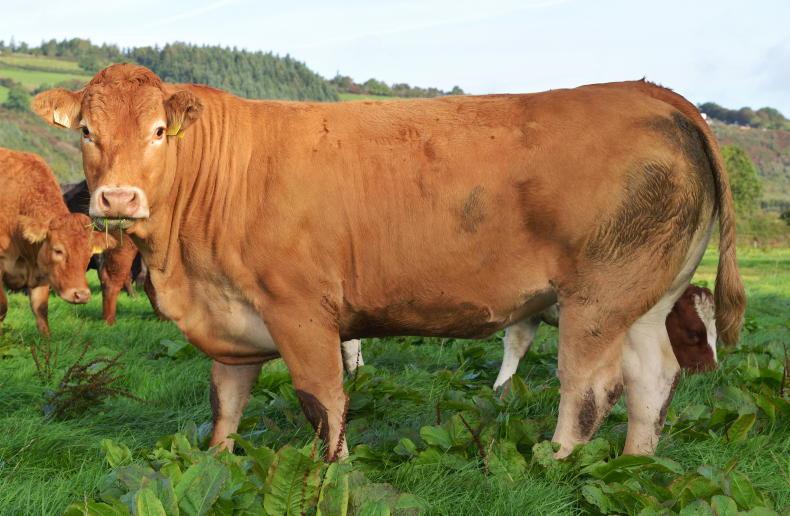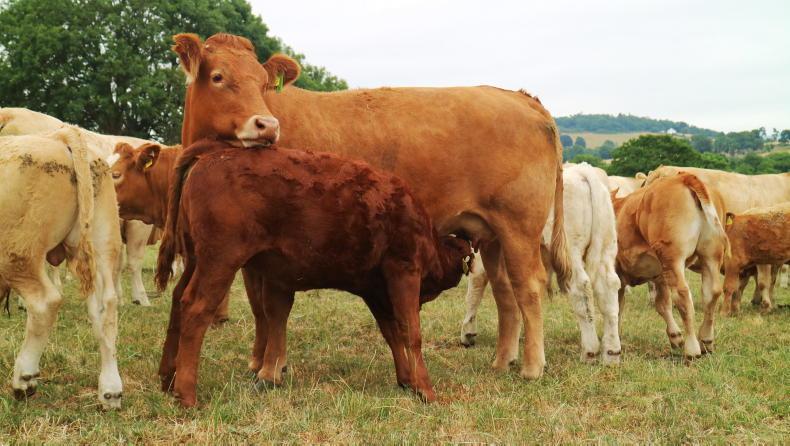
Michael Callinan, together with his wife Chris, operate an 80-acre suckler farm outside Inagh, Co Clare.
“We mainly run a suckler enterprise. Our adult children, Liam and Mark, have a great interest in the farm and our younger daughter, Roisín, helps out when it is needed," Michael explains.
The Callinans keep over 30 suckler cows, mainly second and third generation Limousin-cross, British Friesian cows, along with some Limousin-cross Belgian Blues.
“They’re a great cross, with super shape and growth,” Michael added.
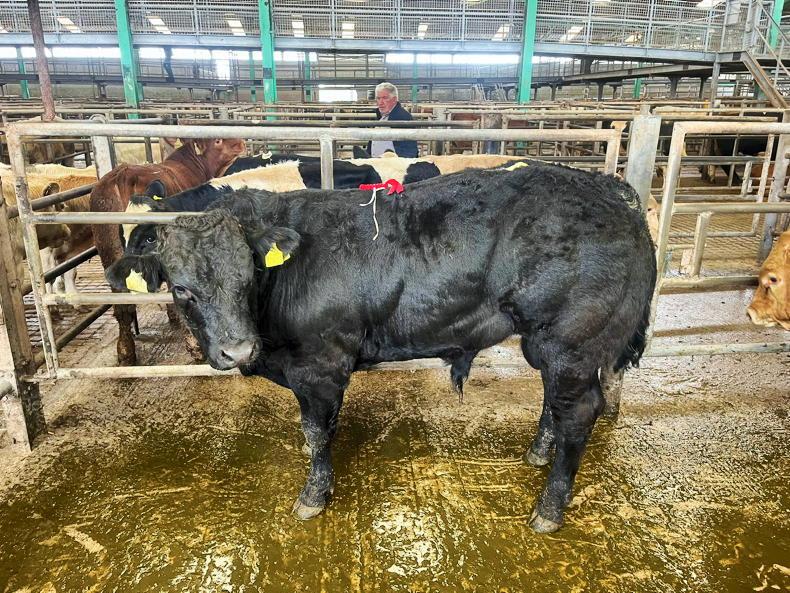
Their aim is to produce top-quality weanlings for the export market. Each year, Michael prepares his best calves for the weanling shows and sales in Ennis, Gort, Sixmilebridge, Kilfenora and Roscrea. In 2025, weanlings from the herd won several prizes and sold for between €3,000 and €4,000.
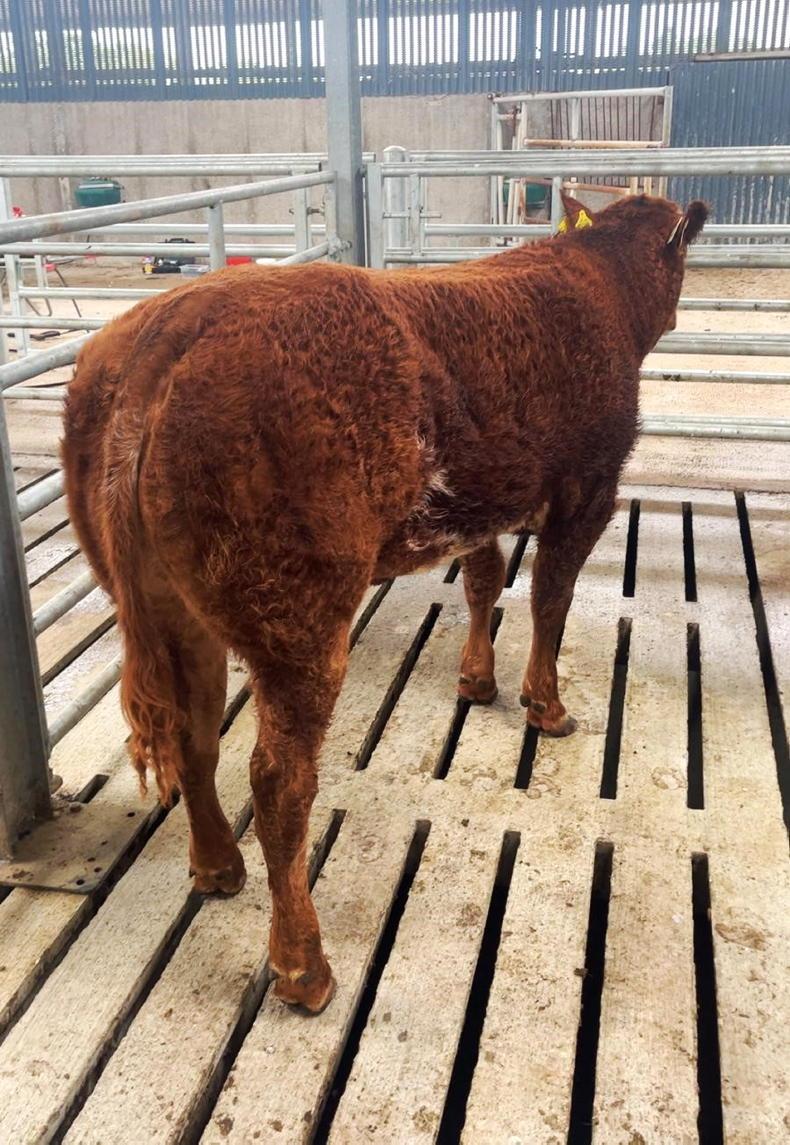
A typical Limousin-cross heifer calf from Michael's herd.
“I sell all the bulls and some of the heifers. We keep replacements, and I’d love to keep more given their quality, but numbers can rise very quickly and that brings its own challenges,” Michael added.
A quick look through the heifers Michael brings to the market confirms the point – they are standout cattle, with excellent length, correctness and width through the pelvis.
Ideal cow
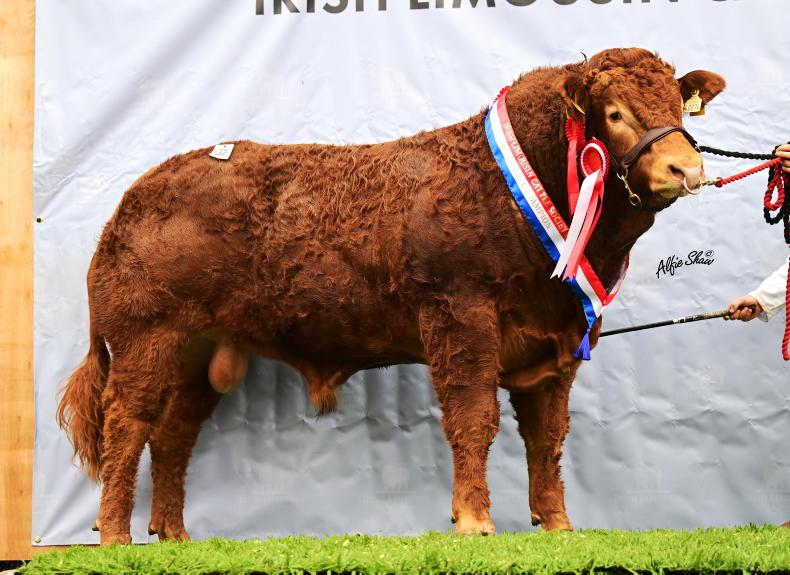
Michael’s ideal cow is a second-cross Limousin out of a British Friesian, weighing between 650 and 700kg, with plenty of milk and good shape. He is particularly fond of females sired by Tomschoice Imperial, Cavelands Jolly and Castleview Gringo. Over the years, he has also bred some purebreds from Rocky, Moondharrig Knell and Elderberry Galahad.
Fertility and efficiency are vital for profitability on any suckler farm and the Callinan's is no different.
“I aim to have the heifers in-calf at 18-months-old. We calve the cows in two batches – August/September and January/February.”
Limousin influence
Michael continues to use Limousin sires for several reasons.
“Firstly, the quality of the calves and the strong demand for our weanlings at local marts because of their carcase traits and conformation. They’re easy-calved and the calves are up and sucking quickly. Like many farmers, I work off-farm, so I’m not always at home when calvings happen.”
Most replacements are home-bred. Michael also buys in Friesian heifers and serves them with an easy-calving Limousin bull and sells them in calf – another product for which there is always strong demand.
The farm operates a grass-based system, with paddocks and strip grazing, allowing calves to creep feed and graze fresh grass ahead of the cows.
Farm awards
Walking through the farmyard, one cannot help but notice its tidiness –something mirrored in the surrounding buildings and field layout. It is no surprise that the Callinans have won many awards over the years, including farmyard of the year, Zurich farm safety and FBD livestock and farmer awards.
“It’s important to consider nature when farming,” Michael says. “Planting hedgerows and keeping them trimmed not only helps wildlife, but keeps the place looking well.”
Social farming
As well as running a top-class suckler herd, Michael has equal enthusiasm about social farming.
"Participants from Acquired Brain Injury Ireland (ABI), brothers of Charity, Child and Adolescent Mental Health Services (CAMHS), as well as students visit the farm from time to time."
They engage in farming alongside Michael, growing products from vegetables for themselves, to making crafts useful for themselves to take away.
“I probably get as much if not more enjoyment from seeing their happiness as I do from farming myself,” Michael added.
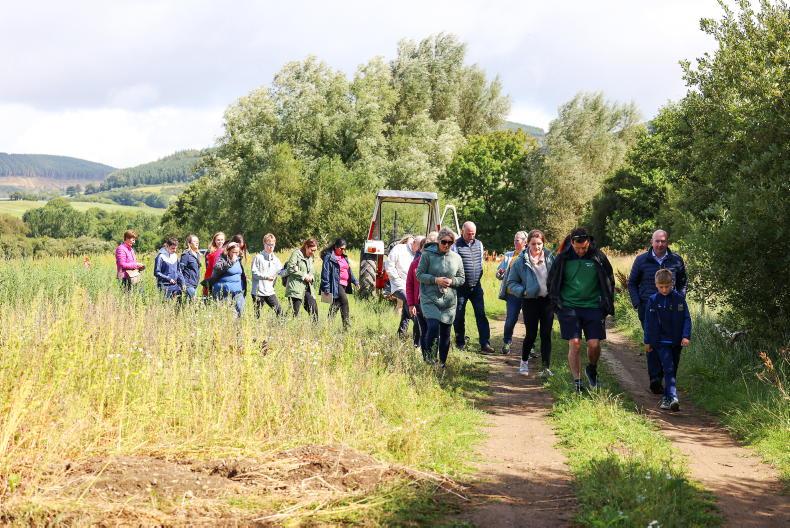
Social farming provides people with the opportunity for inclusion, increased self-esteem and to improve their health and well-being. Pictured here are participants at Brendan Molloy and Julie Powell's open day in Nenagh, Co Tipperary, earlier this year. \ Odhran Ducie
Michael’s advice to anyone starting out in farming is simple but wise; “Begin with the right breed and the right foundation animals and always match the correct bull to your cows. Every day brings challenges, but farming is a great way of life. Set goals—even if you don’t reach them all, they keep you grounded and moving in the right direction.”
Michael Callinan, together with his wife Chris, operate an 80-acre suckler farm outside Inagh, Co Clare.
“We mainly run a suckler enterprise. Our adult children, Liam and Mark, have a great interest in the farm and our younger daughter, Roisín, helps out when it is needed," Michael explains.
The Callinans keep over 30 suckler cows, mainly second and third generation Limousin-cross, British Friesian cows, along with some Limousin-cross Belgian Blues.
“They’re a great cross, with super shape and growth,” Michael added.
Their aim is to produce top-quality weanlings for the export market. Each year, Michael prepares his best calves for the weanling shows and sales in Ennis, Gort, Sixmilebridge, Kilfenora and Roscrea. In 2025, weanlings from the herd won several prizes and sold for between €3,000 and €4,000.

A typical Limousin-cross heifer calf from Michael's herd.
“I sell all the bulls and some of the heifers. We keep replacements, and I’d love to keep more given their quality, but numbers can rise very quickly and that brings its own challenges,” Michael added.
A quick look through the heifers Michael brings to the market confirms the point – they are standout cattle, with excellent length, correctness and width through the pelvis.
Ideal cow
Michael’s ideal cow is a second-cross Limousin out of a British Friesian, weighing between 650 and 700kg, with plenty of milk and good shape. He is particularly fond of females sired by Tomschoice Imperial, Cavelands Jolly and Castleview Gringo. Over the years, he has also bred some purebreds from Rocky, Moondharrig Knell and Elderberry Galahad.
Fertility and efficiency are vital for profitability on any suckler farm and the Callinan's is no different.
“I aim to have the heifers in-calf at 18-months-old. We calve the cows in two batches – August/September and January/February.”
Limousin influence
Michael continues to use Limousin sires for several reasons.
“Firstly, the quality of the calves and the strong demand for our weanlings at local marts because of their carcase traits and conformation. They’re easy-calved and the calves are up and sucking quickly. Like many farmers, I work off-farm, so I’m not always at home when calvings happen.”
Most replacements are home-bred. Michael also buys in Friesian heifers and serves them with an easy-calving Limousin bull and sells them in calf – another product for which there is always strong demand.
The farm operates a grass-based system, with paddocks and strip grazing, allowing calves to creep feed and graze fresh grass ahead of the cows.
Farm awards
Walking through the farmyard, one cannot help but notice its tidiness –something mirrored in the surrounding buildings and field layout. It is no surprise that the Callinans have won many awards over the years, including farmyard of the year, Zurich farm safety and FBD livestock and farmer awards.
“It’s important to consider nature when farming,” Michael says. “Planting hedgerows and keeping them trimmed not only helps wildlife, but keeps the place looking well.”
Social farming
As well as running a top-class suckler herd, Michael has equal enthusiasm about social farming.
"Participants from Acquired Brain Injury Ireland (ABI), brothers of Charity, Child and Adolescent Mental Health Services (CAMHS), as well as students visit the farm from time to time."
They engage in farming alongside Michael, growing products from vegetables for themselves, to making crafts useful for themselves to take away.
“I probably get as much if not more enjoyment from seeing their happiness as I do from farming myself,” Michael added.

Social farming provides people with the opportunity for inclusion, increased self-esteem and to improve their health and well-being. Pictured here are participants at Brendan Molloy and Julie Powell's open day in Nenagh, Co Tipperary, earlier this year. \ Odhran Ducie
Michael’s advice to anyone starting out in farming is simple but wise; “Begin with the right breed and the right foundation animals and always match the correct bull to your cows. Every day brings challenges, but farming is a great way of life. Set goals—even if you don’t reach them all, they keep you grounded and moving in the right direction.”
SHARING OPTIONS