September was fairly anticlimactic, starting off strong giving hopes of an Indian summer, with some late second and third cuts gathered while the settled period stayed.
The rest of the month reverted back to weather similar to what we’d seen all summer; rain, and lots of it.
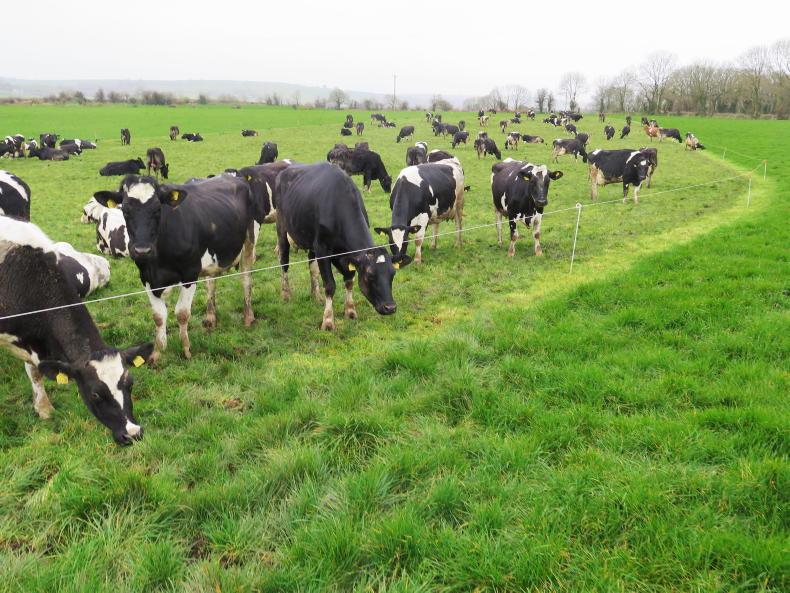
Grazing on a lot of farms has become near impossible without causing significant damage. Even at this, grazing heavy covers without damaging ground is often leading to grass being walked in and wasted.
The dry paddocks with lower covers have all but run out, so the shed is the next go-to. Cattle never poach concrete, unless freshly laid and someone has mistakenly left a gate open.
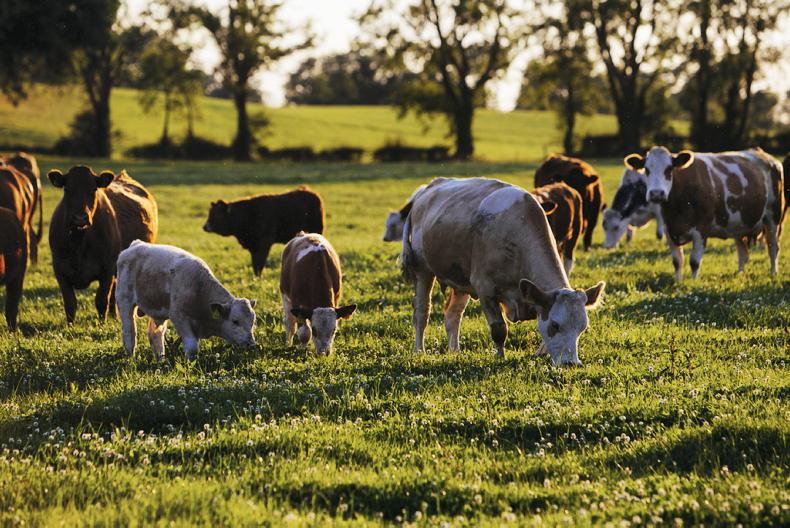
Where there is a lot of grass left to graze on farms, lighter stock such as dairy beef calves, weanlings or yearlings should be kept outside (ground conditions permitting).
Heavy covers, especially on paddocks with high clover levels in them, should be grazed off before closing up for the winter.
The catch is that at current dry matter levels, grass alone is unlikely to satisfy youngstock’s energy requirements, meaning supplementation with meal will be required to prevent stock falling back or stalling in growth.
To limit damage, troughs should be moved daily or located on a hardcore area. It may be an option to feed stock on a roadway or in a nearby shed also.
William Treacy – Dundalk, Co Louth
We got a lot of rain last week and into the weekend, but with a few fairish days since it’s tending to dry out slightly.
I had been building cover and building days ahead, but with last week I lost a lot of days simply with cattle walking grass in to the ground.
We got some cattle away to the factory this week, and 60 heifers will now be housed to ease pressure on grass.
Yearling bulls will likely be housed the week after, with the aim hopefully being to keep some stock out towards the end of the month. If the weather plays ball, we will wean the spring calvers outside.
The last of the slurry went out this week on the driest ground, with a small bit of dung left to be spread.
System Suckler to beef
Soil Type Free draining
Farm cover (kg/DM/ha) 941
Growth (kg/DM/ha/day) 50
Demand (kg/DM/ha/day) 50
Niall O’Meara – Killimor, Co Galway
The rain has been so heavy that it has flattened some of the heavy covers and has thrown off the plate meter readings. Despite this, cattle are grazing out paddocks quite well.
I’ve limited the cattle to two bunches; 25 autumn calving cows with their calves and a batch of heifers following them. Cattle are in paddocks from one to two and a half days depending on size and grass cover.
I’m trying to keep both bunches of stock pushed on, with the heifers due to start being bred in a months’ time.
I would like to get around to all paddocks once more, but there will likely be some that will be too wet. When I am getting the chance, I’m giving the red clover sward a graze, being careful not to do damage.
System Suckler to weanling
Soil Type Variable
Farm cover (kg/DM/ha) 733
Growth (kg/DM/ha/day) 27
Demand (kg/DM/ha/day) 27
Ken Gill – Clonbullogue, Co Offaly
Ground conditions are soft the past week. Two weeks ago, I had plenty of grass but cows are motoring through it with low DM% in grass. Hopefully we can get a dry week or two to and keep cows out as long as I can.
The last of the cattle were sold today so I’m just left with cows and calves now. We start AI mid-October so I plan to start bringing in the cows then.
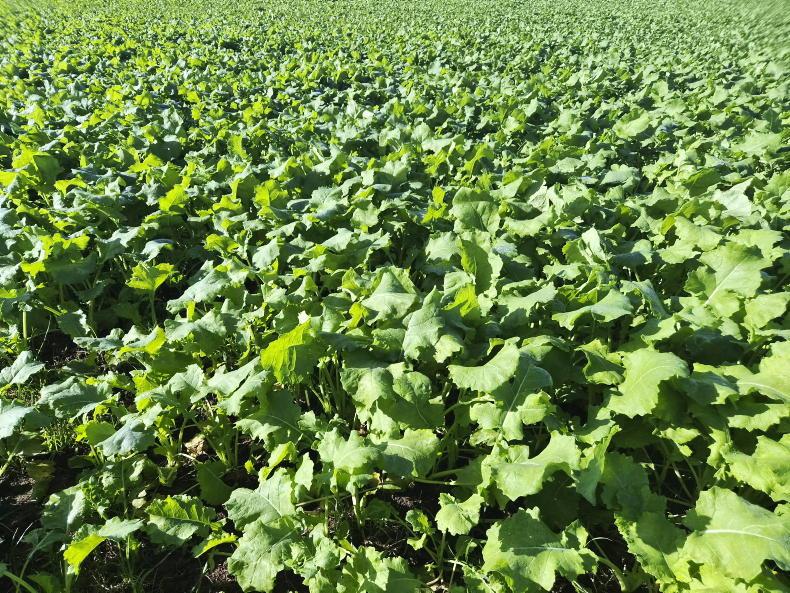
We set kale this year, with the plan to out winter the yearlings. Its growing away but behind where I’d like it to be. We were late setting it with the weather, but I aim to get them in there on 1 November and they’ll stay there until 15 December. I have some dung left, I might leave it in the yard until spring weather dependant.
System Organic suckler to beef
Soil Type Variable
Farm cover (kg/DM/ha) 522
Growth (kg/DM/ha/day) 26
Demand (kg/DM/ha/day) 17