A comprehensive study evaluating soya hulls offered either as supplements to grass silage (3.5kg fresh weight) for growing cattle or ad libitum to finishing cattle was carried out in 2014.
Soya hulls is one of the most common non-cereal feed ingredients in beef cattle diets. It is a high-fibre ingredient and thus acts to reduce the risk of acidic stomach upsets.
However, as this fibre is highly digestible, there is only a slight effect on ration energy density when it replaces cereal.
But is there a limit above which performance is hit? Recent research conducted at Teagasc Grange evaluated optimum inclusion rates for the ingredient.
ADVERTISEMENT
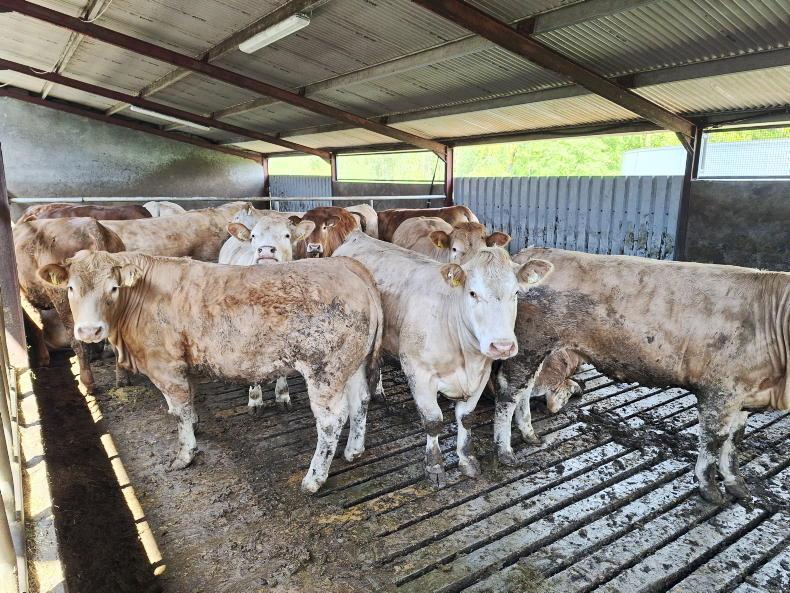
A comprehensive study evaluating soya hulls offered either as supplements to grass silage (3.5kg fresh weight) for growing cattle or ad-libitum to finishing cattle was carried out in 2014. The standard ration consisted of 86% rolled barley and 6% soya bean meal. To evaluate soya hulls in beef diets, 20%, 40%, 60% and 80% of the standard ration was replaced. Charolais steers were used. Grass silage was of moderate quality (64% DMD, 14% CP). Animals were initially offered silage to appetite plus 3.5kg of their concentrate for 70 days, before adapting to ad-libitum concentrates for finishing (86 days).
This experiment suggests that at moderate- or high-concentrate feeding levels (>3.5kg) the maximum inclusion rate for soya hulls in a beef ration is 20%.
Register for free to read this story and our free stories.
This content is available to digital subscribers and loyalty code users only. Sign in to your account, use the code or subscribe to get unlimited access.
The reader loyalty code gives you full access to the site from when you enter it until the following Wednesday at 9pm. Find your unique code on the back page of Irish Country Living every week.
CODE ACCEPTED
You have full access to the site until next Wednesday at 9pm.
CODE NOT VALID
Please try again or contact support.
Soya hulls is one of the most common non-cereal feed ingredients in beef cattle diets. It is a high-fibre ingredient and thus acts to reduce the risk of acidic stomach upsets.
However, as this fibre is highly digestible, there is only a slight effect on ration energy density when it replaces cereal.
But is there a limit above which performance is hit? Recent research conducted at Teagasc Grange evaluated optimum inclusion rates for the ingredient.
A comprehensive study evaluating soya hulls offered either as supplements to grass silage (3.5kg fresh weight) for growing cattle or ad-libitum to finishing cattle was carried out in 2014. The standard ration consisted of 86% rolled barley and 6% soya bean meal. To evaluate soya hulls in beef diets, 20%, 40%, 60% and 80% of the standard ration was replaced. Charolais steers were used. Grass silage was of moderate quality (64% DMD, 14% CP). Animals were initially offered silage to appetite plus 3.5kg of their concentrate for 70 days, before adapting to ad-libitum concentrates for finishing (86 days).
This experiment suggests that at moderate- or high-concentrate feeding levels (>3.5kg) the maximum inclusion rate for soya hulls in a beef ration is 20%.
If you would like to speak to a member of our team, please call us on 01-4199525.
Link sent to your email address
We have sent an email to your address. Please click on the link in this email to reset your password. If you can't find it in your inbox, please check your spam folder. If you can't find the email, please call us on 01-4199525.
ENTER YOUR LOYALTY CODE:
The reader loyalty code gives you full access to the site from when you enter it until the following Wednesday at 9pm. Find your unique code on the back page of Irish Country Living every week.






SHARING OPTIONS