



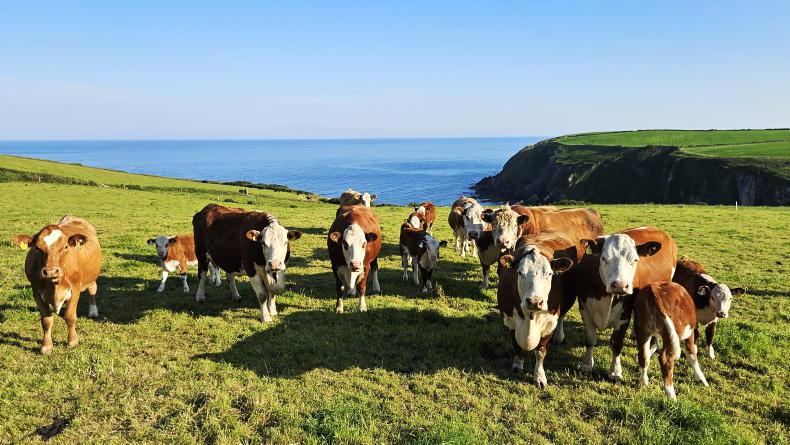
SCEP weighing: With the first of the special weanling sales having kicked off this week it’s important that farmers remember to weigh cattle in time to tick all the boxes to make sure you get your SCEP payment.
You must weigh at least 80% of the cow/calf pairs on your farm to be eligible for payment.
Calves born between 1 July 2025 and 30 June 2026 are eligible for this year’s payment.
Each live calf must be un-weaned and weighed with its dam on the applicant’s holding on the same day.
Where a calf dies before five months of age or its dam, this must be recorded on AIM and the 80% does not include such a pair. Calves being submitted for weighing must have been born in the herd within each scheme year.
All calves being submitted for weighing must be in the ownership and possession of the applicant since birth and maintained on the holding. It must be alive at the time of weighing.
The calf must be a minimum of 50 days old before they are eligible to be weighed.
Weights should be submitted to ICBF within seven days of weighing and no later than 1 November annually.
Warm weather management: The hot weather has returned again, with several consecutive days of temperatures hitting above 25°C. Stock must have ample water and shade at all times to them; once they have these, they should be relatively content.
Prioritise grazing paddocks with the highest level of shade in lieu of following the grazing rotation. If paddocks are close to the yard and infrastructure allows, it can also be of benefit to give stock free access to a shed to shade them for the hottest parts of the day.
With this dry spell being more prolonged and following on from the one we had two weeks ago, it is worth paying extra attention to wells. Narrow bore wells have a small reservoir of water and may prove insufficient if there is significant demand for water.
Pumps are also at a risk of serious damage if wells dry out, with 10 minutes running dry more severe than 10 hours running with water passing through it.
Finally, err on the side of caution regarding grass supplies if you are operating on a dry farm. Surplus grass should not be baled out and early supplementation may be required to hold the rotation length.
The lower farm cover goes, the lower growth rates will be and the harder it is to keep grass in front of stock.
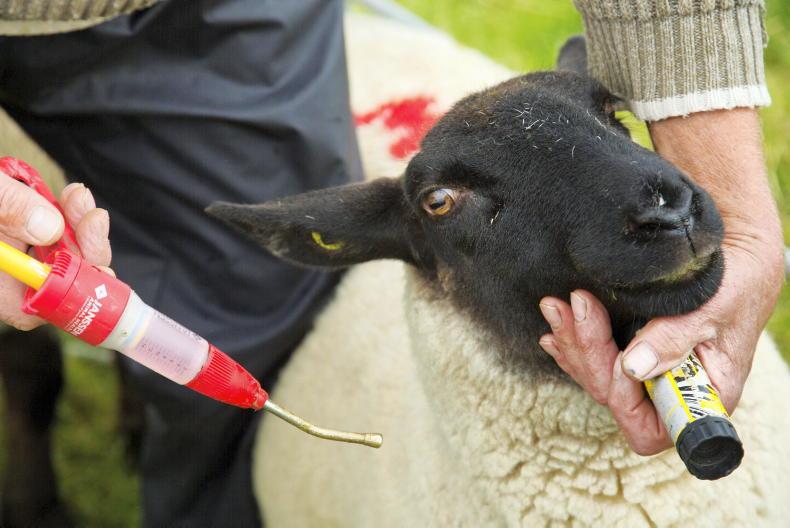
Dung sampling: Calves should be regularly dung sampled to measure the eggs per gram (EPG) in their dung to better inform you regarding dosing requirements. A score of less than 50 EPG shows a low worm burden and no dosing required, while a score of 50-200 EPG will generally recommend monitoring calves closely and retesting.
A score over 200 EPG will require worming. Fresh dung collected in a pooled sample should be presented to your vet who will best advise you on dosing protocol.


SHARING OPTIONS