In line with a lot of silage this year, the analysis results were positive.
First cut silage was harvested using a wagon and had a dry matter of 23.7%, 74 DMD, crude protein of 13.7% and an ME of 11.4. The second cut was precision chopped. It was 26.8% DM, 70 DMD, crude protein of 12.5% and an ME of 10.8.
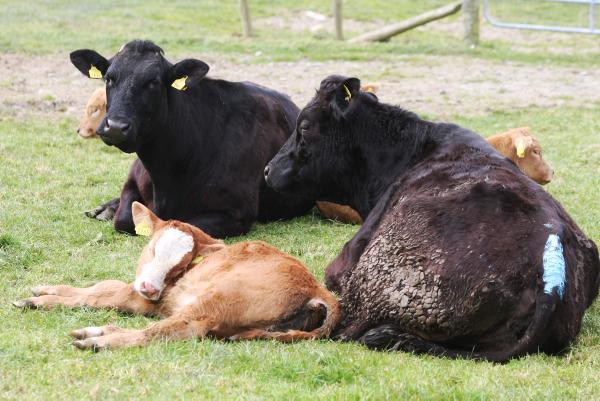
Suckler cows are retaining body condition on this despite being fed 23kg of silage and 3kg of straw per day along with pre-calving minerals.
To date, we have 16 cows calved and have had two caesarean sections with one cow in-calf to a stock bull and the other to a cow in-calf to AI.
Cows have received their vaccinations against rotavirus around one month pre-calving. We hope to get the first group of cows and calves to grass on 10 February.
The advanced drystock students have started grass measurements last week. They measured a farm cover of less than 400kg DM/ha with the first paddock closed last autumn having a cover of 1,400kg DM/ha. The early lambing flock produced 1.8 lambs per ewe and these will be going to grass in the next seven days. The 22 Friesian steers have proven to be an exceptional group of cattle this autumn. They were housed on 31 October and weighed an average of 632kg liveweight on 16 December.
In comparison, the suckler cattle that were suitable for bull beef weighed 524kg at housing at the end of October. The best of these will start to be sold in February. The bulls were built up from 3kg of ration and silage over December to ad-lib concentrate feeding and straw. They are on 7kg per head per day and weighed 640kg on 10 January.
In all, it has been a good start to the New Year for the various drystock enterprises with the first year students getting plenty of calving, lambing, tagging and registering, dehorning and grading experience before going out on work placement to host farms on 10 February.
In line with a lot of silage this year, the analysis results were positive.
First cut silage was harvested using a wagon and had a dry matter of 23.7%, 74 DMD, crude protein of 13.7% and an ME of 11.4. The second cut was precision chopped. It was 26.8% DM, 70 DMD, crude protein of 12.5% and an ME of 10.8.
Suckler cows are retaining body condition on this despite being fed 23kg of silage and 3kg of straw per day along with pre-calving minerals.
To date, we have 16 cows calved and have had two caesarean sections with one cow in-calf to a stock bull and the other to a cow in-calf to AI.
Cows have received their vaccinations against rotavirus around one month pre-calving. We hope to get the first group of cows and calves to grass on 10 February.
The advanced drystock students have started grass measurements last week. They measured a farm cover of less than 400kg DM/ha with the first paddock closed last autumn having a cover of 1,400kg DM/ha. The early lambing flock produced 1.8 lambs per ewe and these will be going to grass in the next seven days. The 22 Friesian steers have proven to be an exceptional group of cattle this autumn. They were housed on 31 October and weighed an average of 632kg liveweight on 16 December.
In comparison, the suckler cattle that were suitable for bull beef weighed 524kg at housing at the end of October. The best of these will start to be sold in February. The bulls were built up from 3kg of ration and silage over December to ad-lib concentrate feeding and straw. They are on 7kg per head per day and weighed 640kg on 10 January.
In all, it has been a good start to the New Year for the various drystock enterprises with the first year students getting plenty of calving, lambing, tagging and registering, dehorning and grading experience before going out on work placement to host farms on 10 February.






SHARING OPTIONS