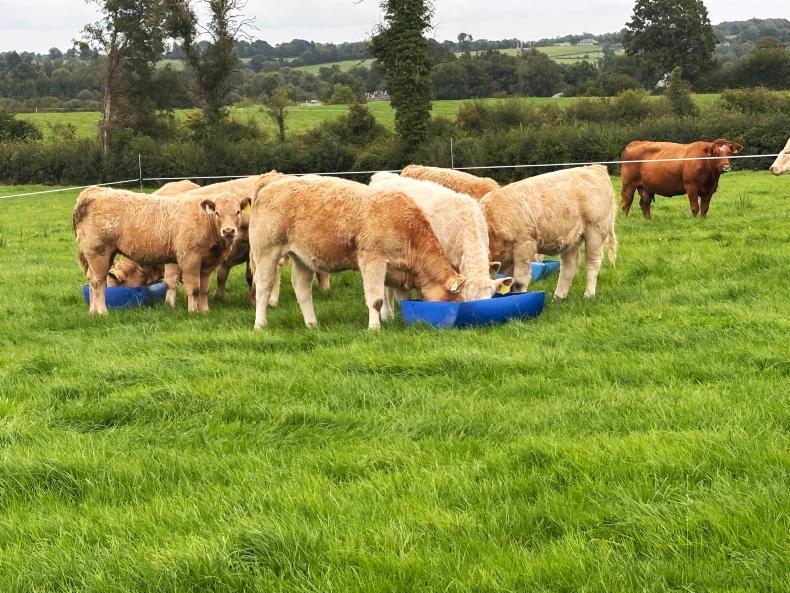
Buying Weanlings: Before buying weanlings, consider what market you will be selling these cattle into. With higher feed prices, bull finishers need to sit down and do the figures on their enterprise for this winter. Buying U grade weanlings and competing with exporters can be difficult without overpaying.
Try and keep to a budget, or look to buy store-like bulls that can improve in grade if properly managed. Aim to buy bull calves around 360kg to 400kg liveweight. This leaves a bull needing to gain 300kg to 350kg of liveweight over a 200- 220-day feeding period (approximately 1.6kg/day). Once you bring these animals home, put them into a bedded shed for a few days and feed them 2kg/day of meal to allow them to settle.
If ground conditions are good and grass is plentiful, you might be able to get a month of cheap gains at grass. If the calves are not vaccinated for respiratory diseases, you should vaccinate them before they join your main herd. Clip their backs and give a worm and fluke drench around six to eight weeks post-housing. Group bulls for feeding based on weight and type. Build up to ad-lib meal feeding over a three to four week period. Offer fresh straw or silage as roughage and ensure that they have clean drinking water.
Slurry: With ground conditions continually deteriorating in parts of the country, some farmers have been caught out with slurry tanks not empty. It’s important to make sure that all tanks have been emptied well in advance of the closed period and in advance of animals coming into sheds.
Where ground conditions are an issue, umbilical systems are a good option to avoid damaging or rutting ground. Remember that if ground conditions are very wet or if heavy rain is forecast, slurry spreading is prohibited. All slurry must be applied by Tuesday 30 September regardless of the nitrates zone you are farming in.
All farmyard manure must be spread by Friday 31 October. If you can, try and aim slurry and farm yard manure for fields which are low in phosphorus and potassium. If you haven’t enough farm yard manure or slurry, September is a good month to apply K fertiliser to try and build up soil indexes on farms with low levels of potassium.
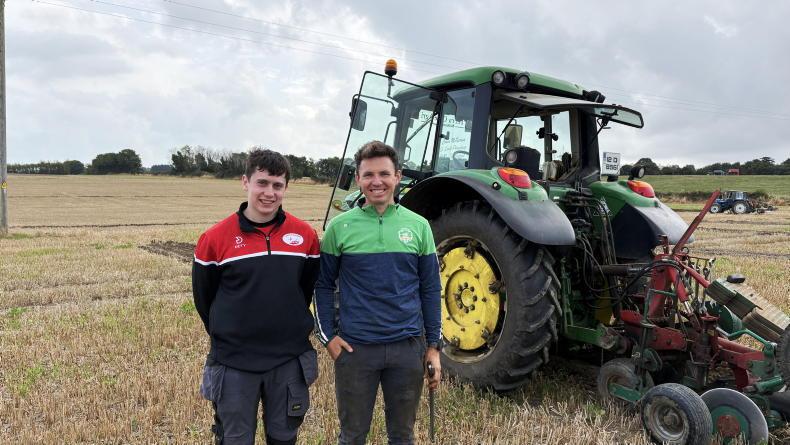
National Ploughing Championships: The Irish Farmers Journal livestock team will be attending all three days of the ploughing championships. It’s an action packed schedule, with different talks taking place every 30 mins on the stand. The Irish Farmers Journal merchandise shop will also be open each day for business.
We’ll have a live Farm Tech Talk panel discussion taking place twice each day where we’ll be discussing the current issues in each sector and what direction we are headed in. The start times are outlined below so if your around please do drop in and take part in the discussion.
Tuesday 16 September: 10am and 4.45pmWednesday 17 September: 10.30am and 2.30pmThursday 18 September 10.30am and 4pm
Buying Weanlings: Before buying weanlings, consider what market you will be selling these cattle into. With higher feed prices, bull finishers need to sit down and do the figures on their enterprise for this winter. Buying U grade weanlings and competing with exporters can be difficult without overpaying.
Try and keep to a budget, or look to buy store-like bulls that can improve in grade if properly managed. Aim to buy bull calves around 360kg to 400kg liveweight. This leaves a bull needing to gain 300kg to 350kg of liveweight over a 200- 220-day feeding period (approximately 1.6kg/day). Once you bring these animals home, put them into a bedded shed for a few days and feed them 2kg/day of meal to allow them to settle.
If ground conditions are good and grass is plentiful, you might be able to get a month of cheap gains at grass. If the calves are not vaccinated for respiratory diseases, you should vaccinate them before they join your main herd. Clip their backs and give a worm and fluke drench around six to eight weeks post-housing. Group bulls for feeding based on weight and type. Build up to ad-lib meal feeding over a three to four week period. Offer fresh straw or silage as roughage and ensure that they have clean drinking water.
Slurry: With ground conditions continually deteriorating in parts of the country, some farmers have been caught out with slurry tanks not empty. It’s important to make sure that all tanks have been emptied well in advance of the closed period and in advance of animals coming into sheds.
Where ground conditions are an issue, umbilical systems are a good option to avoid damaging or rutting ground. Remember that if ground conditions are very wet or if heavy rain is forecast, slurry spreading is prohibited. All slurry must be applied by Tuesday 30 September regardless of the nitrates zone you are farming in.
All farmyard manure must be spread by Friday 31 October. If you can, try and aim slurry and farm yard manure for fields which are low in phosphorus and potassium. If you haven’t enough farm yard manure or slurry, September is a good month to apply K fertiliser to try and build up soil indexes on farms with low levels of potassium.
National Ploughing Championships: The Irish Farmers Journal livestock team will be attending all three days of the ploughing championships. It’s an action packed schedule, with different talks taking place every 30 mins on the stand. The Irish Farmers Journal merchandise shop will also be open each day for business.
We’ll have a live Farm Tech Talk panel discussion taking place twice each day where we’ll be discussing the current issues in each sector and what direction we are headed in. The start times are outlined below so if your around please do drop in and take part in the discussion.
Tuesday 16 September: 10am and 4.45pmWednesday 17 September: 10.30am and 2.30pmThursday 18 September 10.30am and 4pm
SHARING OPTIONS