



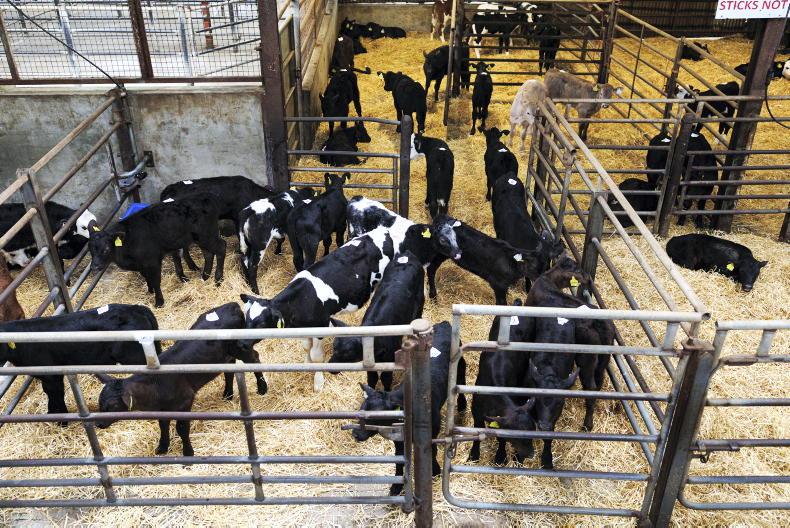
Five countries accounted for 97% of the 214,535 calves that were sold outside of the state in the first 28 weeks of the year, a reduction of 2% on the same period in 2025.
There were expectations that the trade of Irish calves to the Netherlands would have ceased by this year but it has gone from strength to strength.
Data from Bord Bia shows that 93,188 calves have been sold to Dutch buyers to date, a rise of 11% on last year and an increase of 15,809 head on 2024.
This is despite a marginal increase in the import of calves from Germany as the German market recovers from the impact of bluetongue last year.
The impact of bluetongue on calf supplies on the continent saw renewed interest in Irish calves last year.
Italy, Croatia and Northern Ireland increased their intake of calves from Ireland
However, political pressure remains on the German outlet, and it is proposed in the Action Plan for Animal-Friendly Calf Farming to shut Irish calves out of this market in 2028.
Trade to Spain is down 4% compared to last year with 75,802 calves exported there so far this year.
Elsewhere, Italy, Croatia and Northern Ireland increased their intake of calves from Ireland as they accounted for 20,614 head, 9,759 head, and 9,392 head respectively.
Marts
Calf numbers are at a seasonal low in marts at present and an Angus-cross bull calf from three to six weeks of age is currently selling for €446/head.
According to the Irish Cattle Breeding Federation, this is marginally below the average price of €450/head paid for them so far this year.
Hereford-cross bulls, the same age, have averaged €480 while last week they changed hands for an average of €459/head.




SHARING OPTIONS