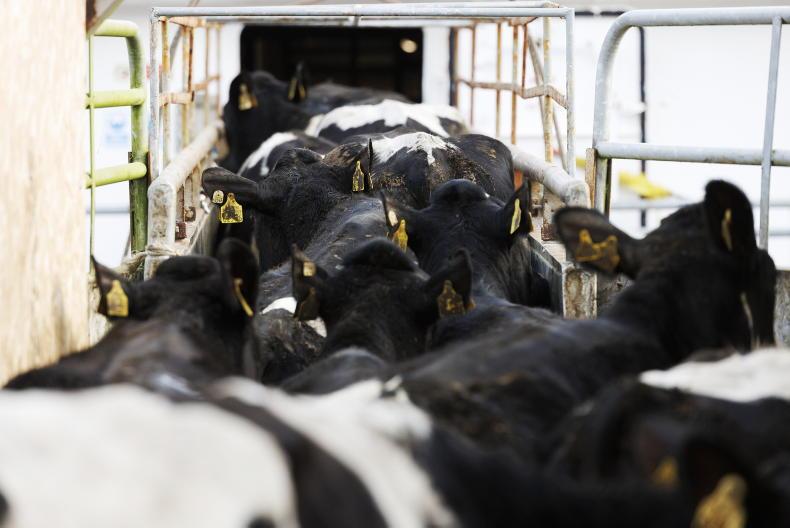

Last week’s announcement regarding the temporary suspension of live exports to the Algerian market is generating plenty of discussion at mart ringsides.
This follows a noticeable decline in purchasing activity from live exporters and a reduction in the value of bulls which were previously being purchased for export to North African markets.
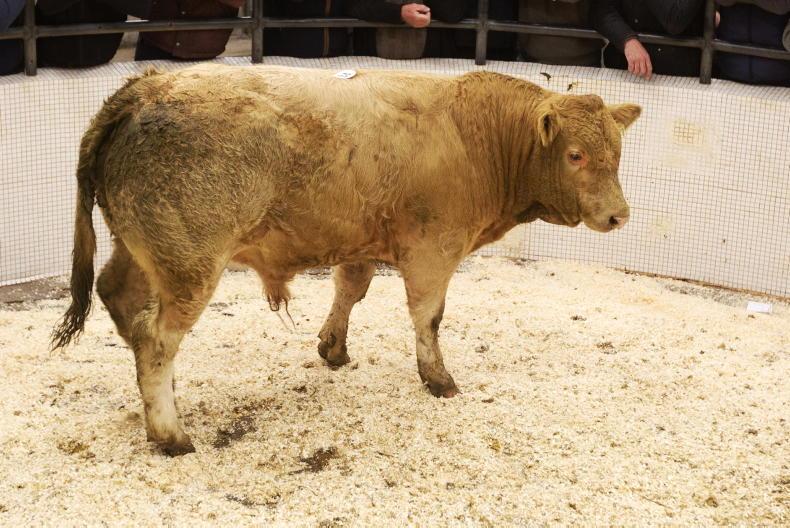
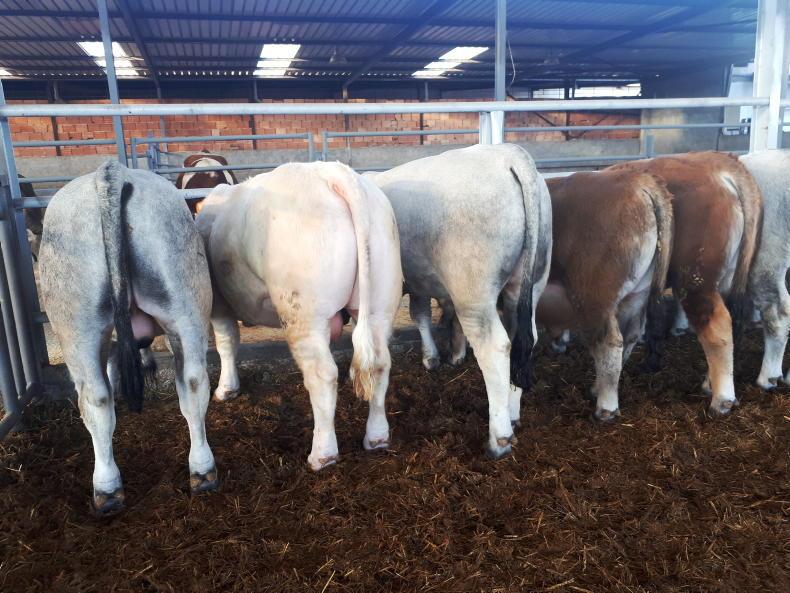
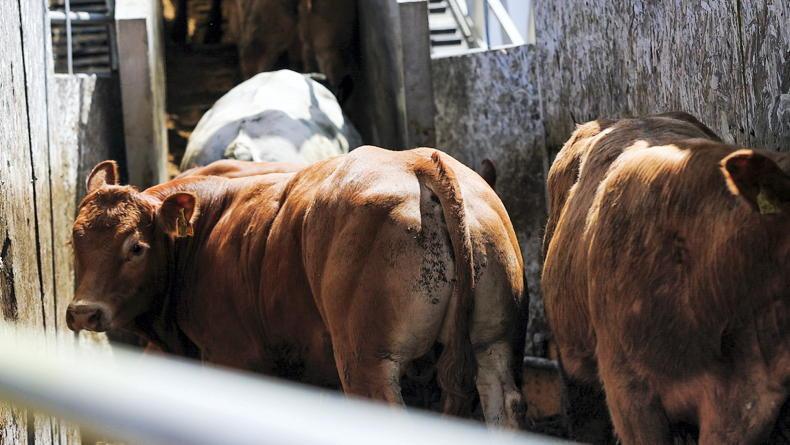
Many mart managers report that the category of bull most affected is heavier bulls weighing 370kg to 440kg including red Limousin bulls and Belgian Blue-crosses. Lighter bulls and farmer-type calves have not been affected to the same degree as farmers and smaller finishers have taken up most of the slack from the drop-off in purchasing.
North African markets have provided a lifeline to the weanling trade in 2026. Table 1 details an analysis of beef-sired cattle exported up to the week of 12 October 2026 and how this compares to the corresponding period in 2025.
As can be seen, there has been a marked increase in exports to Algeria and Morocco. The Algerian figure of 4,495 does not include the latest shipment of over 1,700 bulls. Exports to Morocco are also running 2,213 head higher with the two markets combined accounting for in the region of 8,400 head higher.
This excludes animals which have been purchased in recent months and awaiting export to the Algerian and Moroccan markets which reports indicate total in the region of upwards of 6,500 more bulls.
Subdued EU trade
In contrast, traditional continental Europe live export outlets have been more subdued in 2026. There have been over 7,000 fewer cattle aged from six months to 18 months exported live to Spain up to mid-October.
Reports indicate that beef consumption in Spain has been under more pressure in 2026 in light of a higher purchase price at the point of sale to consumers. Seamus McMenamin, Bord Bia sector manager, sheepmeat and livestock, adds that African swine fever in Spain has curtailed exports of pork which in turn has put pressure on price and is resulting in product which is competitively priced relative to beef.
Irish exporters have also faced greater competition from French exports. French exports have been curtailed from many North African markets due to the presence of lumpy skin disease. This is the reason behind the increase in exports to Algeria with France traditionally supplying significant numbers to the market.
Italian market
Competition from French live exporters is also a big factor in reduced weanling exports to Italy. With fewer outlets, French exporters are targeting the high-value Italian and Greek markets. Irish exports of cattle aged six month to 18 month of age to Italy are running over 5,000 head lower.
The percentage reduction has been even greater to Greece as detailed in Table 1. The Greek market has in recent years developed as an excellent market for top-quality E and U grading Belgian Blue bulls with many specialist producers aligning their breeding programme to producing the type of bulls desired by Greek finishers.
Eastern Europe
Meanwhile exports to Eastern Europe countries such as Croatia, Slovenia, Slovakia, Hungary, etc are running below the levels seen in recent years. Such countries imported anywhere from 1,500 to 3,000 head of cattle in recent years to backfill demand mainly from Turkey and also some North African markets. Numbers moving there in 2026 have been negligible. While exports to Northern Ireland are down across the year to date, they have been performing positively in recent weeks with higher volumes exported. This goes for all categories of stock with tight supplies and a significant beef price differential helping demand.
Export prospects
There are strong hopes that the temporary suspension of exports to Algeria will be short-lived and that it will re-emerge as an important outlet accounting for a significant percentage of bulls already on hand and positive volumes in 2027. McMenamin comments that there is a keen appetite in Algeria to get a vaccination programme in place for the serotype of foot and mouth disease identified. He says that if this is rolled out in the medium term, and given that there is ongoing strong demand from the market, then this should hopefully help to fast-track a resumption in imports.
Regarding the Moroccan market he says that 2026 has been a busy year for imports with the country filling its lower tariff-rate import quota of 300,000 head. Approximately 90% of this was filled from imports from South American countries. This does not mean that imports will cease, and while import volumes may slow down due to a higher tariff now being imposed there will still be business completed before the year-end.
McMenamin is also hopeful of improved market demand in Europe in 2027, but this will depend on consumption trends which are still finding their level following price-related pressure over the last 12 to 18 months.