



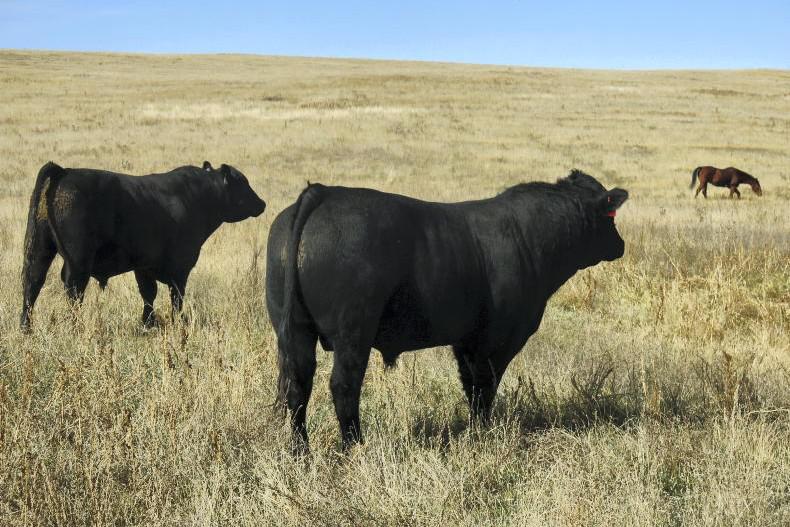
Beef prices, falling herd sizes, and trade were among the key topics discussed on day one of the Agricultural Science Association's international trip to Washington DC.
Industry representatives from Ireland met with several agricultural groups and government bodies, including Glenn Thompson, chair of the House Committee on Agriculture, the National Cattlemen's Beef Association, the Meat Import Council of America, the National Farmers Union and staff from the Senate Agriculture Committee.
Challenges facing beef production
Ethan Lane, senior vice president of government affairs at the National Cattlemen's Beef Association, described it as "a weird time" for beef farmers in America, as the herd has shrunk to 86.2 million head, which is a 75-year low. The average beef herd size in the United States is 47 head.
Persistent droughts across the country and high production costs are causing increased pressure on farmers in America.
“Wildfires, lack of feed and access to grass are disincentivising cattle producers in the US, even though we are at a historically remarkable market high.
"We have never sold cattle or beef for what we are selling it for,” says Lane.
Trade relationships
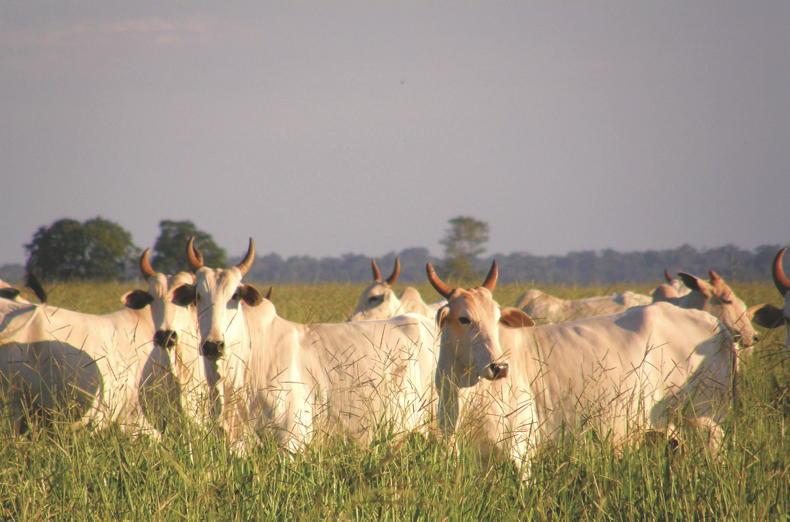
The United States is one of the world's largest meat importers, particularly for beef. This is driven by high domestic demand for ground beef and lower cattle inventories. The vast majority consists of lean trimmings from Australia, Brazil, Canada and New Zealand.

These are blended with fattier US trimmings to efficiently produce ground beef and meat for the service industry.
The ongoing US border closure to Mexican live cattle, enacted to prevent the spread of the new world screwworm (NWS), has forced many American feedlots and meat processing plants to operate well under capacity at 60%. This critical supply shortfall has led to plant idling, reduced processing efficiencies, and significantly higher beef prices for consumers.
All of these factors are driving the price for beef in the US market place; however, unlike Europe, the American consumer is still willing to pay high beef prices, and is not willing to substitute red meat for alternative protein options like chicken and pork.




SHARING OPTIONS