Easing restrictions on rural housing is the only way to secure the future of GAA clubs throughout the country, according to officials within the sport who fear the viability of smaller clubs is facing real and imminent danger.
With new housing guidelines for rural Ireland expected to be delivered by Minister for Housing James Browne in the coming months, hope is rising that farm families may be given more leeway to build homes on their land.
However, the urgency with which this is required is of particular concern to hurling and football clubs who say their underage numbers are disappearing due to the lack of families remaining in their local parishes.
Speaking to Irish Country Living, demographics officer for Clare GAA, Neil O’Brien, says the situation is at crisis point in many clubs throughout the county and urgent action is required to reverse the trend of falling numbers.
“The GAA National Demographics Committee report launched in Croke Park last December in Dublin is all well and good, but if something isn’t done urgently in the west of Ireland to tackle the falling population in rural areas, clubs will fold,” he says.
Serious housing issue
“We find falling numbers in national schools are having a real effect in three parts of the county where the numbers finishing 6th class are not being matched by the numbers going in to junior infants. We’re in the process of trying to put a classification on schools, with a three-teacher school or smaller being considered small rural, and a five-teacher school regarded as a large rural school.
“Over a 10-year period, from five years ago to five years’ time, there will be a reduction of up to 50%, and this is particularly problematic in the west of the county, in areas such as Kilrush, Kilkee, and Cooraclare.
“Heading north and you’ve similar issues in Liscannor and across to Crusheen where clubs are in massive trouble. Over in east Clare the numbers aren’t as bad.
“But those clubs that have amalgamated in recent years, where smaller clubs have come together to boost numbers, they can’t be insulated from this in the long-term. If the underage players aren’t coming through that will feed into adult teams eventually and something needs to be done urgently to address it.
“The GAA is taking this very seriously and the organisation does have the ear of people in power and we’re telling them that housing is a hugely serious issue in rural Ireland.”
Neil says that unless housing is built in smaller villages, there is nothing to attract families to rural areas or bring people back home, who have left for college or work.
“I am turning 40 this year so I was lucky that I was in a job before the last recession hit, but a lot of people did leave after college and went abroad. Some came home, others didn’t, but when there’s no housing for people to come back to, or the services for people to build, such as water and sewerage, there are no options for building back up communities,” adds Neil.
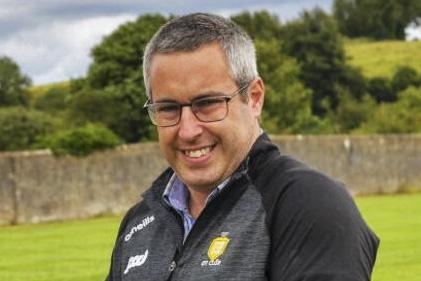
Clare GAA demographics officer Neil O'Brien.
“We have big problems in rural housing throughout the county and it’s definitely being felt on the ground. We need to make rural areas more accessible. If we could bring in planning so that developers would come into villages and build ten or 12 houses, that would make a huge difference to the smaller clubs.
“There has to be some scheme for rural Ireland, where along with building houses there should be a relocation package so all those from rural areas, who are on the east coast for work, can return home. I’m sure there’s plenty out there who would only love to swap the long commute for the homes they came from. This way you’d see populations rising again in our rural villages, where we no longer even have the churches we once had, such is the drop in numbers.”
Knock-on effect
Further south in Kerry and the county board’s demographic officer Mike Murphy tells a similar story.
“We’ve held events in the county in recent years to promote the likes of the Vacant Property Refurbishment Grant (VPRG) to show people the possibility of moving into smaller communities by buying and renovating older properties,” he says.
“But it’s too early to say if this will lead to revitalising communities as these people are in the main, young couples, who have only just completed houses so the families and schoolgoing children aren’t there yet.

Mike Murphy, demographics officer Kerry GAA.
“In my own parish of Knocknagashel we’ve seen the school population across three rural schools drop from 194 in 1994, to 60 children between two schools this year. This is a hard trend to reverse and while turning around old houses is a positive thing for the area, it hasn’t had an effect on population just yet.
“The fact of the matter is if the numbers were in the primary schools, they’d be there for the GAA.”
Mike points out that the difficulty in building rural houses has had a knock-on effect on communities. Many people have tried and failed to build homes in their native communities, and there is growing pressure on Minister Browne to ease planning restrictions that have seen countless planning applications refused.
“The shop is now gone in the village and we lost our creameries in recent years too so they are both very big losses to the community. Years ago, you had teams made up of a small number of big families where you’d have had a number of brothers playing together. Nowadays, you have a larger number of families within a club, with a smaller number of children in these families but who are playing alongside cousins. And we don’t want to lose that in small rural parishes.
Parish rule change
“Two friends of mine, who I was in primary school with, were both recently refused planning permission in the village, and its that kind of thing that is causing a lot of frustration not just in this part of the country, but all over rural Ireland,” adds Mike.
He says numbers in Kerry has been helped by the growth of ladies’ football in the county in recent years, which has seen participation rates grow in many clubs, but adds the centralisation of populations in Tralee and Killarney is having a detrimental effect on rural regions.
“Milltown used to be a village but it’s now the fastest growing town in the county and along with Tralee and Killarney you have big numbers in the local clubs in those regions,” he explains.
“While there is talk of Croke Park looking at changing the parish rule, (where a player must play where they live, work or are from), it’s not feasible to be looking at the movement of players through the county just to make up numbers. You need these clubs to be able to maintain themselves organically and it is not going to work having kids playing in an area they’re not living in.
“The GAA is based on place, identity and representation and it would lose its core value if that were to change.”
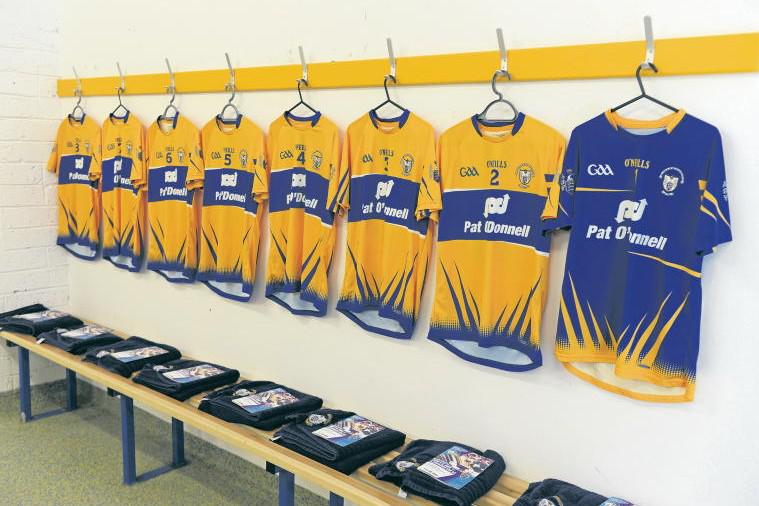
Demographics officer for Clare GAA, Neil O’Brien, says the situation is at crisis point in many clubs throughout the county and urgent action is required to reverse the trend of falling numbers. \iStock
Mike also points to the differences being experienced throughout the county, with a divide between north and south delivering very different fortunes.
“Dingle, who are reigning senior All-Ireland club champions has a thriving tourism industry from March to October and as their success showed this year, they have players who wanted to come home from abroad to play for the club.
“Cahersiveen, on the other hand, has a declining population for over 20 years and a number of vacant premises within the town.
“Yet, plans for a greenway through the Iveragh Peninsula has been approved by Kerry County Council and offer huge potential for the region to grow.”
The Croke Park report proposes a multi-tiered approach to futureproofing GAA clubs and participation rates. Among its recommendations are:
Assist clubs who have challenges fielding adult teams and retaining their official club status.Targeted growth of new and existing clubs.Pilot initiatives in Kerry and Kildare focusing on urban centres and rural areas with declining populations in both counties and launch targeted interventions focused on increasing participation, improving integration, influencing planning policies, and creating sustainable club structures.Develop bye-laws to assist participation such as permit urban players to join rural clubs, enable transfers based on familial links, restrict transfers into high-population urban clubs, explore dual eligibility for players with ties to urban and rural clubs.Establish a new club support unit at national and provincial level to ensure growth, management and viability of clubs.
Easing restrictions on rural housing is the only way to secure the future of GAA clubs throughout the country, according to officials within the sport who fear the viability of smaller clubs is facing real and imminent danger.
With new housing guidelines for rural Ireland expected to be delivered by Minister for Housing James Browne in the coming months, hope is rising that farm families may be given more leeway to build homes on their land.
However, the urgency with which this is required is of particular concern to hurling and football clubs who say their underage numbers are disappearing due to the lack of families remaining in their local parishes.
Speaking to Irish Country Living, demographics officer for Clare GAA, Neil O’Brien, says the situation is at crisis point in many clubs throughout the county and urgent action is required to reverse the trend of falling numbers.
“The GAA National Demographics Committee report launched in Croke Park last December in Dublin is all well and good, but if something isn’t done urgently in the west of Ireland to tackle the falling population in rural areas, clubs will fold,” he says.
Serious housing issue
“We find falling numbers in national schools are having a real effect in three parts of the county where the numbers finishing 6th class are not being matched by the numbers going in to junior infants. We’re in the process of trying to put a classification on schools, with a three-teacher school or smaller being considered small rural, and a five-teacher school regarded as a large rural school.
“Over a 10-year period, from five years ago to five years’ time, there will be a reduction of up to 50%, and this is particularly problematic in the west of the county, in areas such as Kilrush, Kilkee, and Cooraclare.
“Heading north and you’ve similar issues in Liscannor and across to Crusheen where clubs are in massive trouble. Over in east Clare the numbers aren’t as bad.
“But those clubs that have amalgamated in recent years, where smaller clubs have come together to boost numbers, they can’t be insulated from this in the long-term. If the underage players aren’t coming through that will feed into adult teams eventually and something needs to be done urgently to address it.
“The GAA is taking this very seriously and the organisation does have the ear of people in power and we’re telling them that housing is a hugely serious issue in rural Ireland.”
Neil says that unless housing is built in smaller villages, there is nothing to attract families to rural areas or bring people back home, who have left for college or work.
“I am turning 40 this year so I was lucky that I was in a job before the last recession hit, but a lot of people did leave after college and went abroad. Some came home, others didn’t, but when there’s no housing for people to come back to, or the services for people to build, such as water and sewerage, there are no options for building back up communities,” adds Neil.
Clare GAA demographics officer Neil O'Brien.
“We have big problems in rural housing throughout the county and it’s definitely being felt on the ground. We need to make rural areas more accessible. If we could bring in planning so that developers would come into villages and build ten or 12 houses, that would make a huge difference to the smaller clubs.
“There has to be some scheme for rural Ireland, where along with building houses there should be a relocation package so all those from rural areas, who are on the east coast for work, can return home. I’m sure there’s plenty out there who would only love to swap the long commute for the homes they came from. This way you’d see populations rising again in our rural villages, where we no longer even have the churches we once had, such is the drop in numbers.”
Knock-on effect
Further south in Kerry and the county board’s demographic officer Mike Murphy tells a similar story.
“We’ve held events in the county in recent years to promote the likes of the Vacant Property Refurbishment Grant (VPRG) to show people the possibility of moving into smaller communities by buying and renovating older properties,” he says.
“But it’s too early to say if this will lead to revitalising communities as these people are in the main, young couples, who have only just completed houses so the families and schoolgoing children aren’t there yet.
Mike Murphy, demographics officer Kerry GAA.
“In my own parish of Knocknagashel we’ve seen the school population across three rural schools drop from 194 in 1994, to 60 children between two schools this year. This is a hard trend to reverse and while turning around old houses is a positive thing for the area, it hasn’t had an effect on population just yet.
“The fact of the matter is if the numbers were in the primary schools, they’d be there for the GAA.”
Mike points out that the difficulty in building rural houses has had a knock-on effect on communities. Many people have tried and failed to build homes in their native communities, and there is growing pressure on Minister Browne to ease planning restrictions that have seen countless planning applications refused.
“The shop is now gone in the village and we lost our creameries in recent years too so they are both very big losses to the community. Years ago, you had teams made up of a small number of big families where you’d have had a number of brothers playing together. Nowadays, you have a larger number of families within a club, with a smaller number of children in these families but who are playing alongside cousins. And we don’t want to lose that in small rural parishes.
Parish rule change
“Two friends of mine, who I was in primary school with, were both recently refused planning permission in the village, and its that kind of thing that is causing a lot of frustration not just in this part of the country, but all over rural Ireland,” adds Mike.
He says numbers in Kerry has been helped by the growth of ladies’ football in the county in recent years, which has seen participation rates grow in many clubs, but adds the centralisation of populations in Tralee and Killarney is having a detrimental effect on rural regions.
“Milltown used to be a village but it’s now the fastest growing town in the county and along with Tralee and Killarney you have big numbers in the local clubs in those regions,” he explains.
“While there is talk of Croke Park looking at changing the parish rule, (where a player must play where they live, work or are from), it’s not feasible to be looking at the movement of players through the county just to make up numbers. You need these clubs to be able to maintain themselves organically and it is not going to work having kids playing in an area they’re not living in.
“The GAA is based on place, identity and representation and it would lose its core value if that were to change.”
Demographics officer for Clare GAA, Neil O’Brien, says the situation is at crisis point in many clubs throughout the county and urgent action is required to reverse the trend of falling numbers. \iStock
Mike also points to the differences being experienced throughout the county, with a divide between north and south delivering very different fortunes.
“Dingle, who are reigning senior All-Ireland club champions has a thriving tourism industry from March to October and as their success showed this year, they have players who wanted to come home from abroad to play for the club.
“Cahersiveen, on the other hand, has a declining population for over 20 years and a number of vacant premises within the town.
“Yet, plans for a greenway through the Iveragh Peninsula has been approved by Kerry County Council and offer huge potential for the region to grow.”
The Croke Park report proposes a multi-tiered approach to futureproofing GAA clubs and participation rates. Among its recommendations are:
Assist clubs who have challenges fielding adult teams and retaining their official club status.Targeted growth of new and existing clubs.Pilot initiatives in Kerry and Kildare focusing on urban centres and rural areas with declining populations in both counties and launch targeted interventions focused on increasing participation, improving integration, influencing planning policies, and creating sustainable club structures.Develop bye-laws to assist participation such as permit urban players to join rural clubs, enable transfers based on familial links, restrict transfers into high-population urban clubs, explore dual eligibility for players with ties to urban and rural clubs.Establish a new club support unit at national and provincial level to ensure growth, management and viability of clubs. 




SHARING OPTIONS