




Recently I moved back into my home after a 10-month renovation. Just like when we moved out last year, there was a lot of huffing and puffing as we lugged around boxes, manoeuvred couches and lifted bookshelves up the stairs.
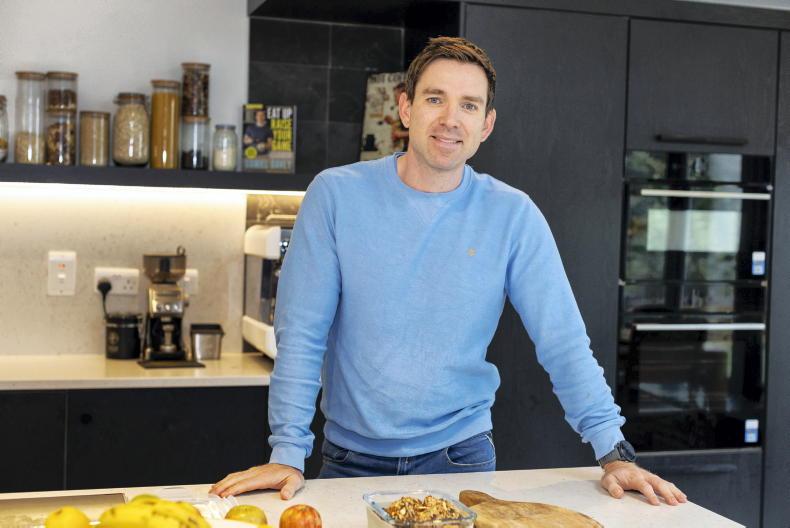
But we had the strength to do it ourselves – despite my whinging. And having good strength is part of my ‘why’ that fitness and wellness coach Karl Henry discusses in his new weekly column on page 18.
Having strength for everyday tasks is important to many readers – and although farming has become more mechanised over the decades, it is still one of the most physically demanding jobs there is. Or maybe your ‘why’ is to sleep well and have more energy or perhaps it is to eat better and feel better.
We’re delighted to welcome Karl to our pages and in his first column, he speaks about the lighthouse that is his ‘why’. Every week he will be sharing advice on living a better, healthier lifestyle and while waistlines and measurements are part of that, he emphasises that how you feel in yourself is just as important.
Although weight loss has always been a hot topic of conversation, it has become even more relevant in the last few years since the licensing of GLP-1-medications such as Ozempic and Mounjaro.
There are a lot of positives to these medications and they are now part of the HSE primary model for obesity care. For those that suffer from the disease of obesity, they are among a suite of tools to get healthy.
The conversation is nuanced though. The lines are becoming blurred on who should use them. They aren’t for everyone and are a means of treating the disease of obesity as opposed to being utilised by someone that is a healthy weight and who simply wants to drop a few pounds to look better on holidays.
Furthermore, they aren’t a magic tool – or certainly shouldn’t be viewed as one. While they suppress appetite very effectively, experts advise that not eating enough and substantially reducing your calories isn’t a wise approach. It can leave people feeling unwell and lacking energy and this isn’t sustainable in the long-term.
Instead, it is advised that it should be seen as an aid to the tried-and-tested approach of weight loss – eating nutrient-dense foods and limiting unhealthy habits.
While they suppress appetite very effectively, experts advise that not eating enough and substantially reducing your calories isn’t a wise approach. It can leave people feeling unwell and lacking energy and this isn’t sustainable in the long-term
As the weight loss injections accelerate muscle mass loss, eating protein is important, as is exercising – especially with weight training. And slow and steady is still the way to go.
That’s because rapid weight loss can have an impact. The term ‘Ozempic breasts’ may not be a medical diagnosis but it is becoming a common reference term, especially in lingerie shops, as June Moloney of La Jolie Femme in Ennis explains on page 12 to our health journalist, Rosalind Skillen.
The term refers to the change in the size and shape of the breast as a result of sudden weight loss, causing a loss of volume due to excess skin. ‘Ozempic face’ is also a new term – referring to gaunt and sunken cheeks.
In the coming weeks, Karl will have a column focused on losing weight with the assistance of GLP-1s – with advice on losing weight sustainably for the long term, the importance of protein in meals and the type of weight training that helps maintain muscle and keeps us strong.





SHARING OPTIONS