



What does it mean to strive? Striving is the process of exerting serious effort, often with great difficulty, to achieve a goal. Many believe it’s a negative thing – which might be why we are bombarded with AI (artificial intelligence) lately. People must think it’s going to save us from the more mundane elements of our lives. As I am now well into our 2026 calving season, I actually believe that striving is what keeps me going and keeps me coming back for more.
I realise I am making these statements on very little sleep, but I can’t help wondering: if I wasn’t knee-deep in calves each year, what would I be filling the gap with? It’s hard to describe the joy you feel when you watch them wag their tails as they have their morning feed, or how they bounce after a fresh load of straw has been added to their bedding. It’s those positive moments that get you through the challenging times and makes you work even harder.
Now don’t get me wrong – the work is very hard, and the difficulties are not to be dismissed. It doesn’t help when misinformation about your farming methods are circling around, either. I think one of the biggest areas of misinformation dairy farmers face during calving is the reasoning behind separating cows from calves. Those unfamiliar with farming might think we’re awful people to be taking a calf from its dam. This couldn’t be further from the truth.
At every moment during calving you have to consider the following: what’s best for the cow, for the calf and, for the farmer – usually in that order.
Best practice in conventional dairying tells us to separate the calf from the cow as soon as you can, and I do my best to adhere to these principles.
Every cow has a different personality and temperament. They also have varying degrees of maternal instinct. Usually, our more experienced cows will be calm and easy to handle during calving. It’s the younger ones you need to watch out for. This is not always the case, though, so as the farmer, you need to be watchful. You need to be able to spot the ones who are not handling it as well, or who don’t want you coming near their calf. I can usually tell by their eyes and overall stance. When I see that certain look in her eyes, I know she’s not ready to be approached and I need to be very careful with her.
Every calf is different, too. Some will bounce right up, do the natural thing and feed from their mother straight away.
It’s got a bit more of an onomatopoeia to it, because when you get the biestings into the calf, the calf turns into a beast itself
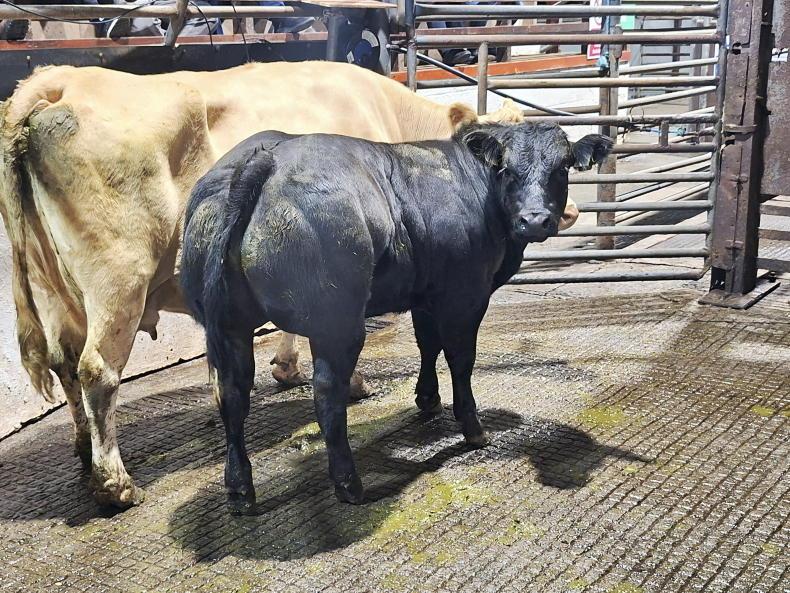
Then there’s a few who are a bit weak or just not able to figure it out. It’s important to ensure your calves get ‘the biestings’ or the colostrum (the first milk a cow gives after birthing). It’s full of good, protective stuff for the calf. I prefer the word biestings. It’s got a bit more of an onomatopoeia to it, because when you get the biestings into the calf, the calf turns into a beast itself. It’s true – whatever’s in that milk, the calf goes from looking a bit dopey straight to Scrappy, Scooby Doo’s buddy (“Let me at ‘im, let me at ‘im!).
It’s recommended you milk the cow directly after calving and feed the colostrum to the calf yourself, using sanitised feeding equipment. This is good for the calf and this way you know exactly how much of the beastings they have taken in. If the calf is feeding off its mother and the mother doesn’t want you coming near, I usually just leave them to it for a while.
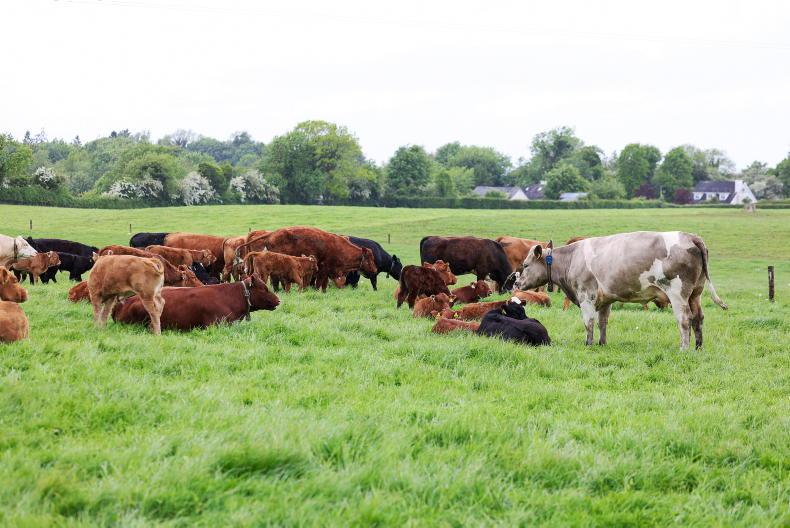
Sure, every calf and cow are different, but I’d also say that every farmer is different when it comes to calving. Some have great facilities and could leave their cow for a bit longer in the birthing shed, while others are too short on space and labour to facilitate a longer stay. The majority of us are on our own and we need to do the safest thing, which usually means moving a cow on to a feed barrier as soon as you can after she calves. After a day or two, most cows and calves get comfortable living apart.
There are some cows who welcome the separation – they give me the same look my wife gives me after a full day of child-rearing – a look that says, “Get me out of here.”
This might not seem natural to non-farmers, but in conventional systems, separating a calf from its mother is better for calf health and practical for farmers to stay safe and productive at our jobs.
I always want to do the right thing – no, I strive to do the right thing – so we have a happy, stress-free environment.




SHARING OPTIONS