As I sit down to write this column, I’ve just come in from the garden and a couple of hours’ work on my snowdrops. They are leaping out of the ground and I reckon by the size of the clumps it’s going to be a bumper year for them. We have hundreds of clumps of snowdrops spread out in an old orchard and as soon as they appear, I weed around each clump and give them some good mulch. Then I just wait for the flowers and their carpet of white to appear.
It’s become my favourite time of the year in the garden. It doesn’t matter what the weather is like – there’s great protection in the orchard and the temperature even seems to be a degree or two higher there.
I find weeding very therapeutic. It relaxes me no end and gives me clear space to think and plan ahead. As I clear away creeping buttercup, ground elder and unwanted grass, it also gives me time to count my blessings. This is something most of us don’t do half enough. It’s easy to understand why, when we are swamped by the negativity that’s all around us. Newspaper headlines scream doom and gloom. It’s the same with radio and television news, which can give us a minute-by-minute account of the latest atrocity.
It was Alice Taylor who said the human brain is not able to process all the troubles of the world before we’ve even had our breakfast. She’s dead right.
The advice we got from our parents about counting our blessings is a really good idea. Indeed, it’s exactly the advice that psychologist Maureen Gaffney gives in her bestselling book, Flourishing.
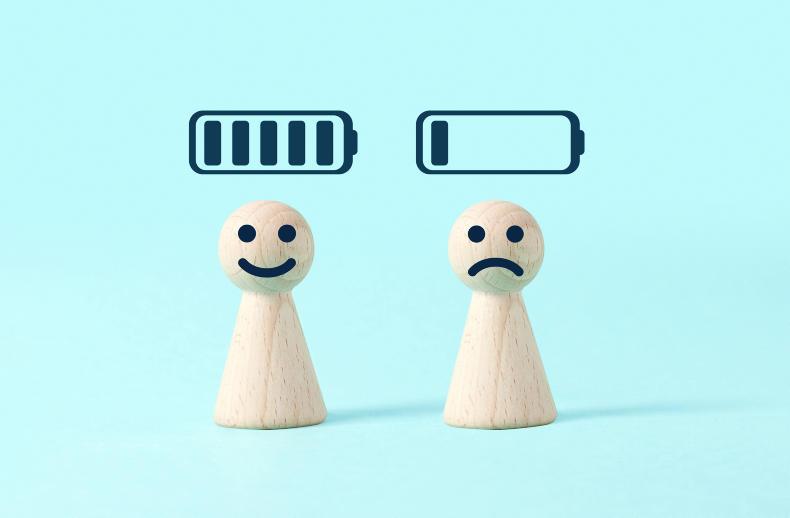
In it, she says humans are programmed to pay much closer attention to negative thoughts than positive ones. Because of this, she says, we have to experience at least three positives to every negative in order to function normally in our personal and working lives. That is the minimum. If we want to be at our best, the positivity ratio has to be ramped up to reach 5:1. That positivity isn’t all about the big things either. It’s about being able to get our socks on in the morning, being able to close a button or a zip. About being able to enjoy a slice of toast and marmalade as you watch the blue tits feast on the bird feeder outside your kitchen window. Positivity and happiness is an accumulation of all the small things we so often take for granted.
According to Maureen Gaffney, the scientific evidence linking happiness to success is impressive. And it’s something which we have a lot of control over ourselves. So if we want to be happier in 2015, she suggests we give just one of the following four a try:
• Spend more time with our friends. • Practise trying to see the bright side of things. • Stop comparing ourselves with other people. • Work on developing better coping strategies. We might not be happier the first time we try this, but with practice, we can all begin to feel genuinely happier. That’s my wish for all our readers for 2015. Happy New Year.
As I sit down to write this column, I’ve just come in from the garden and a couple of hours’ work on my snowdrops. They are leaping out of the ground and I reckon by the size of the clumps it’s going to be a bumper year for them. We have hundreds of clumps of snowdrops spread out in an old orchard and as soon as they appear, I weed around each clump and give them some good mulch. Then I just wait for the flowers and their carpet of white to appear.
It’s become my favourite time of the year in the garden. It doesn’t matter what the weather is like – there’s great protection in the orchard and the temperature even seems to be a degree or two higher there.
I find weeding very therapeutic. It relaxes me no end and gives me clear space to think and plan ahead. As I clear away creeping buttercup, ground elder and unwanted grass, it also gives me time to count my blessings. This is something most of us don’t do half enough. It’s easy to understand why, when we are swamped by the negativity that’s all around us. Newspaper headlines scream doom and gloom. It’s the same with radio and television news, which can give us a minute-by-minute account of the latest atrocity.
It was Alice Taylor who said the human brain is not able to process all the troubles of the world before we’ve even had our breakfast. She’s dead right.
The advice we got from our parents about counting our blessings is a really good idea. Indeed, it’s exactly the advice that psychologist Maureen Gaffney gives in her bestselling book, Flourishing.
In it, she says humans are programmed to pay much closer attention to negative thoughts than positive ones. Because of this, she says, we have to experience at least three positives to every negative in order to function normally in our personal and working lives. That is the minimum. If we want to be at our best, the positivity ratio has to be ramped up to reach 5:1. That positivity isn’t all about the big things either. It’s about being able to get our socks on in the morning, being able to close a button or a zip. About being able to enjoy a slice of toast and marmalade as you watch the blue tits feast on the bird feeder outside your kitchen window. Positivity and happiness is an accumulation of all the small things we so often take for granted.
According to Maureen Gaffney, the scientific evidence linking happiness to success is impressive. And it’s something which we have a lot of control over ourselves. So if we want to be happier in 2015, she suggests we give just one of the following four a try:
• Spend more time with our friends. • Practise trying to see the bright side of things. • Stop comparing ourselves with other people. • Work on developing better coping strategies. We might not be happier the first time we try this, but with practice, we can all begin to feel genuinely happier. That’s my wish for all our readers for 2015. Happy New Year.








SHARING OPTIONS