



Grain prices increased by 21.7% last week following the invasion of Ukraine by Russia.
However, the majority of that increase was negated by the end of the following day, following profit taking by fund investments.
The uncertainly created by the modern rarity of international war left traders very uncertain as to the impact of the Russian invasion and the sudden rise was virtually eroded in markets at both sides of the Atlantic by the end of the week.
With time to think and consider the implications, markets began to rise again this week in a slightly more certain and less chaotic manner.
In general, nearby markets (March MATIF) saw much bigger increases of up to €50/t on the day the invasion began (24 February) but these eased back considerably by the weekend when the March contract closed at €290/t.
This was up by €32.50/t at Monday’s close, a further €25.50/t by Tuesday’s close, rose a further €31.75/t on Wednesday morning and lost all that gain within two hours.
At the time of writing on Wednesday, March wheat futures was trading at €354/t and December at €304.75, having had a €10.75/t increase and a €9/t drop within two hours.
These price increases are driven by the significance of both Russia and Ukraine in international grain export markets.
Over the past three seasons, Ukraine exported an average of 54.67m tonnes per annum while Russia exported an average of 43.6m tonnes.
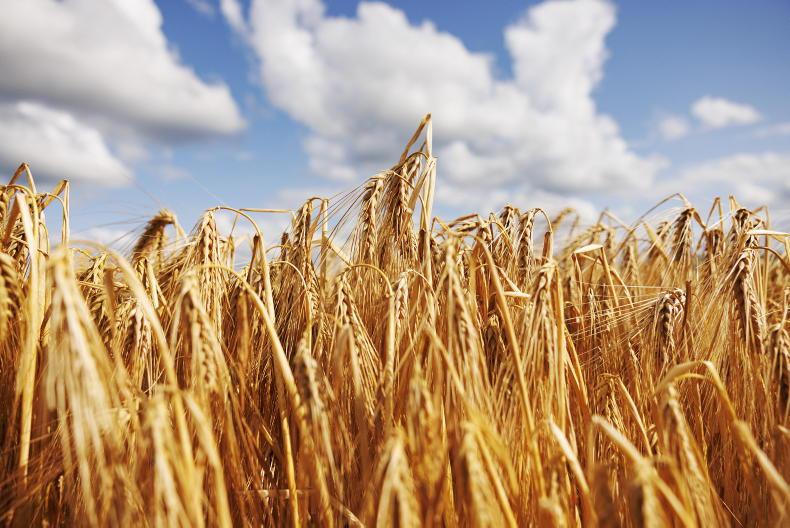
In Russia’s case, this was over 80% wheat, with the balance being barley, maize and oilseeds.
For Ukraine, total grain exports were 32.5% maize and 24.5% wheat, with the balance also being mainly barley and oilseeds.
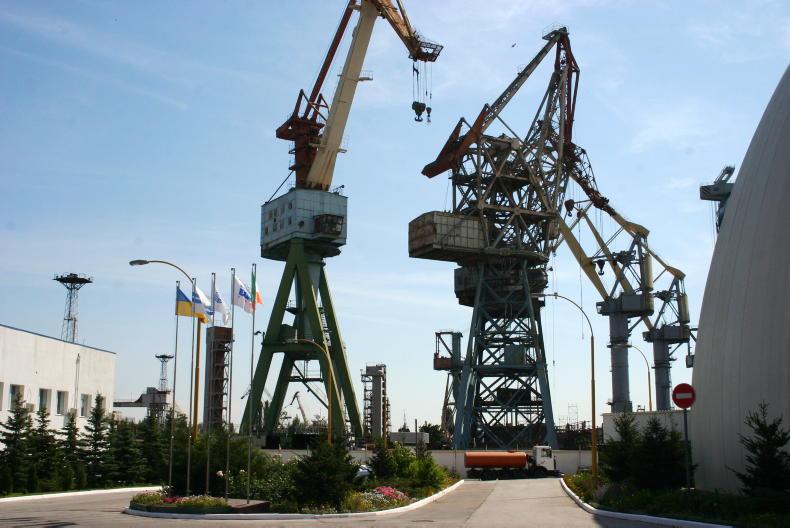
With trade from Ukrainian ports currently suspended and international sanctions imposed on Russia, large importers are now forced to search elsewhere for supplies, thus concentrating demand on all alternative suppliers and driving prices.





SHARING OPTIONS