


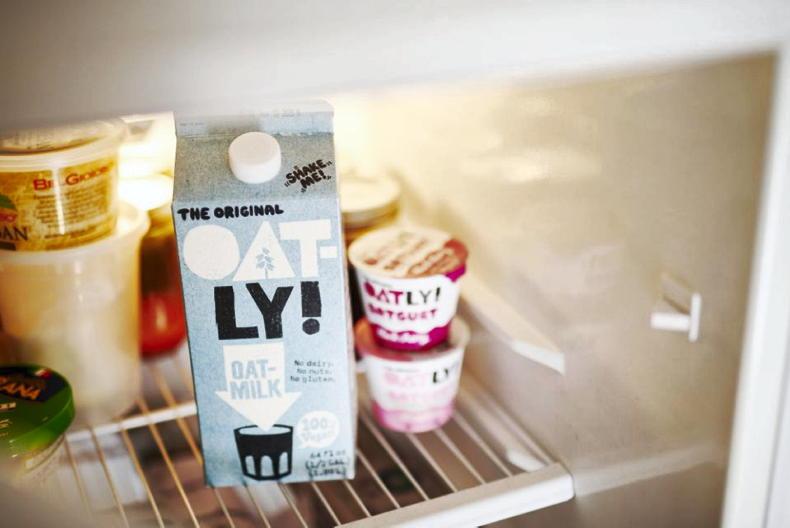
It might be expected that the surge in dairy prices in the first half of the year would have given a lift to plant-based alternative products. However, data shows that sales of non-dairy “milk” dropped 5% in the US in 2024 and have fallen further this year while consumption of milk has risen.
Consumers in that country are prioritising food and drink that is high in protein, such as dairy products while also moving away from ultra-processed foods such as the products manufactured by companies such as Oatly.
The CEO of that company recently said that the “doom and gloom” talk around climate change and sustainability is putting consumers off products that market themselves under those credentials.
Oatly’s Chief Operating Officer, Daniel Ordonez, took a direct swipe at the marketing of Irish dairy products in the US in recent comments to the Financial Times, saying his company is contending with the repositioning of cows’ milk as a higher-end product by dairy companies with “grass-fed” and organic options.
While dairy processors might enjoy some schadenfreude at Oatly’s expense – the company’s share price is down 97% from peak and it has yet to make a profit – the challenge from fake milk is far from over.
Retail sales of the plant-based product in Europe continue to grow, with total volume greater than sales in the US this year. Oatly’s revenues in the second quarter of this year saw a 12% increase in Europe – a figure offset by a 6.8% decline in North America and 6.4% in China.
Oatly is not backing away from its targeting of European consumers and it has in recent weeks announced the appointment of its first-ever dedicated local sales team for Ireland.



SHARING OPTIONS