




Calves
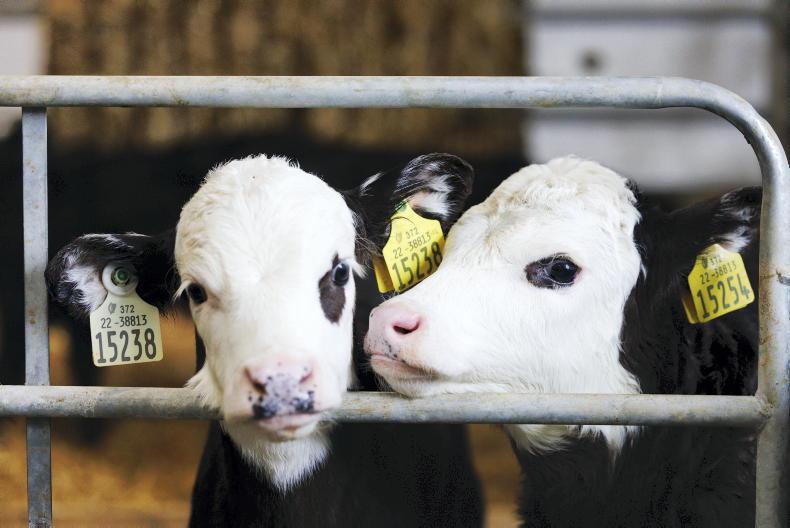
As we move into the latter half of February calf sheds are starting to fill up, and it is from now on that problems tend to develop. Keep the focus on the basics – ensuring each new-born calf gets enough colostrum, that feeding equipment is kept clean and that beds are cleaned out or topped up.
Try to avoid moving calves from shed to shed as they get older because this can spread disease. Keep visitors out of calf sheds, particularly other farmers.
If buyers are looking at calves, keep all calves for sale in one shed, away from the calves that are going to be kept on the farm.
Make sure that milk replacer is being mixed consistently and that the amount of powder being fed is within the normal range of 700g-1,000g per calf per day.
Bloat in calves tends to happen when the viscosity of the milk replacer is too high, that is too much powder per litre. It takes longer for the calf to digest the milk replacer and bacteria spreads and multiplies, causing bloat.
The mart trade is only getting going but shippers were active in the last week. While age is important, demand is strongest for calves that are over 50kg.
The exporters won’t buy lighter calves and buyers don’t want them either. I know the temptation is to move calves on quickly to free up space, but don’t bring calves lighter than 50kg to the mart.
Mastitis
It remains to be seen whether mastitis and somatic cell count (SCC) will be higher this spring compared to other years after selective dry cow therapy has become mandatory. Farmers definitely need to be on their guard for it.
SCC can go out of control in the spring if there are underlying problems. Best policy is to carry out a CMT test on each cow before her milk enters the bulk tank.
While not 100% accurate, it gives a very good indication of the presence of infection in a quarter. In some cases SCC will be high after calving, but will reduce naturally over a few days.
In other cases an infection will be present and that cow should be treated.
Rules around treating cows with antibiotics are changing, and farmers should consult with their vet about the best course of action. A milk sample will need to be taken from the affected quarter and sent away for sensitivity analysis.
Grazing
Showery conditions are set to continue over the weekend, but the outlook for next week is for a return to dry and settled conditions.
After all the dry weather there is a natural tendency to avoid all damage, and some farmers might be veering towards being too cautious and decide to leave cows back in the shed rather than persist with grazing. In other words, what damage they might tolerate in other years they won’t tolerate this year.
That to me is a mistake, because rehousing cows when it is not really necessary to do so will set cows back a lot. Silage is the enemy of milk protein and body condition score – feeding silage to cows in spring depletes both.
Some level of superficial damage in spring is inevitable and can be tolerated because ground will heal – know the difference between a bit of damage and excessive poaching.






SHARING OPTIONS