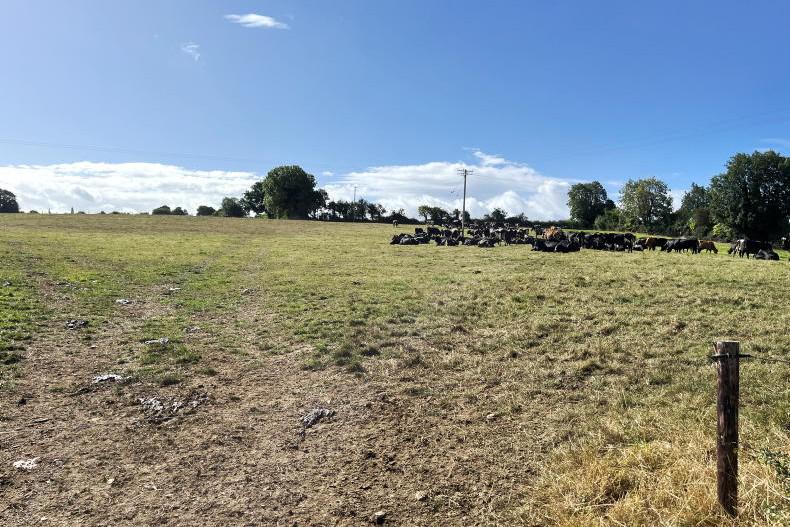
Feeding: Despite rain over many parts of the south and east in recent days, serious grass deficits remain. In badly affected areas where grass is gone yellow or brown, a lot of rain will be required in order to quell the soil deficits but it doesn’t look like this will come any time soon.
In less affected areas any amount of rain will help to keep grass growing. The reality on many farms is that heavy feeding will be necessary for the coming weeks. As Daire Cregg reports on pages 32 and 33, some farmers are feeding two-thirds of the diet in supplement and only one third grass. In these situations roughage is important, as you don’t want to make cows sick. Palm kernel can be fed instead of silage, but it takes a bit of management and it’s not ideal to be feeding it outdoors in wet weather.
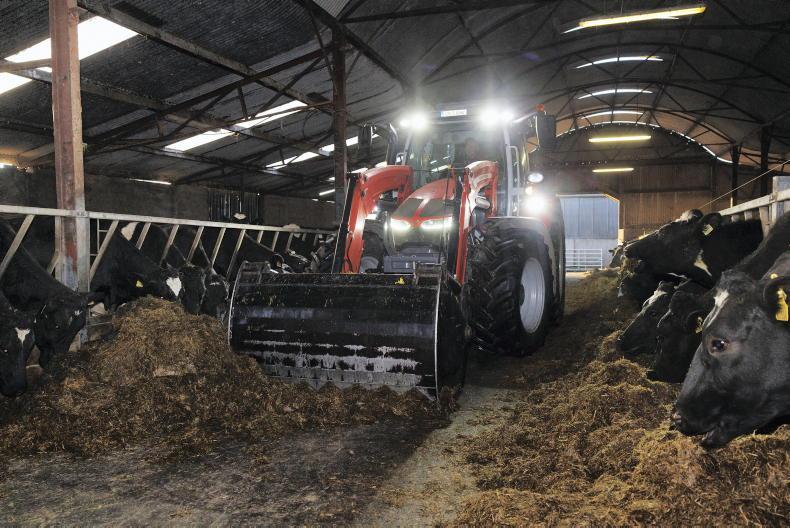
Some farmers are feeding it in the central passage of the shed and letting cows work their way through it from each side. Others are putting it into feed trailers or large troughs and feeding it out the field. Unlike soya hulls it can be fed ad lib, and cows will self-limit how much they eat. Feed space is important when buffer feeding. If all cows are to feed at the one time then they will need at least two feet of feed space per head.
Labour saving: A simple device that can save a lot of time at this time of year is an automatic gate handle. These open the gap at the paddock at a set time each morning and evening, and it means cows can wander into the yard at their own pace.
For the farmer, it means the cows should be in the yard when they come to milking, which can save 20 to 50 minutes depending on herd size and distance from the parlour. It’s particularly useful when cows are being fed supplement in the shed because it means they can come in to feed before milking, and they can go straight out to the paddock after milking.
Animal health: On pages 50 and 51 we take a look at lungworm control which seems to be a bigger problem than normal this summer. It’s a parasite that attacks the lungs and can make animals very sick, even adult cows. Where there is evidence of lungworms, the treatment can also be severe as animals cough up dead worms making breathing difficult.
The other animal health related problem that can often crop up now is summer mastitis, particularly in dry autumn calving cows or cull cows. It can make cows very sick very quickly and usually results in a lost quarter, so make sure and use fly deterrent such as pour-on or fly tags. Others use topical treatment like Stockholm tar to deter flies.
Mastitis in milking cows continues to be a problem this summer, with many farmers reporting more cases and higher SCC. Getting to the cause of the problem involves milk recording to identify the high cows and then quarter sampling or using the CMT test to pick up the high quarters. At this stage in lactation, cows that have already been treated in one quarter should have that quarter dried off. Put a colour coded strap on the leg and just stop milking that quarter.
Feeding: Despite rain over many parts of the south and east in recent days, serious grass deficits remain. In badly affected areas where grass is gone yellow or brown, a lot of rain will be required in order to quell the soil deficits but it doesn’t look like this will come any time soon.
In less affected areas any amount of rain will help to keep grass growing. The reality on many farms is that heavy feeding will be necessary for the coming weeks. As Daire Cregg reports on pages 32 and 33, some farmers are feeding two-thirds of the diet in supplement and only one third grass. In these situations roughage is important, as you don’t want to make cows sick. Palm kernel can be fed instead of silage, but it takes a bit of management and it’s not ideal to be feeding it outdoors in wet weather.
Some farmers are feeding it in the central passage of the shed and letting cows work their way through it from each side. Others are putting it into feed trailers or large troughs and feeding it out the field. Unlike soya hulls it can be fed ad lib, and cows will self-limit how much they eat. Feed space is important when buffer feeding. If all cows are to feed at the one time then they will need at least two feet of feed space per head.
Labour saving: A simple device that can save a lot of time at this time of year is an automatic gate handle. These open the gap at the paddock at a set time each morning and evening, and it means cows can wander into the yard at their own pace.
For the farmer, it means the cows should be in the yard when they come to milking, which can save 20 to 50 minutes depending on herd size and distance from the parlour. It’s particularly useful when cows are being fed supplement in the shed because it means they can come in to feed before milking, and they can go straight out to the paddock after milking.
Animal health: On pages 50 and 51 we take a look at lungworm control which seems to be a bigger problem than normal this summer. It’s a parasite that attacks the lungs and can make animals very sick, even adult cows. Where there is evidence of lungworms, the treatment can also be severe as animals cough up dead worms making breathing difficult.
The other animal health related problem that can often crop up now is summer mastitis, particularly in dry autumn calving cows or cull cows. It can make cows very sick very quickly and usually results in a lost quarter, so make sure and use fly deterrent such as pour-on or fly tags. Others use topical treatment like Stockholm tar to deter flies.
Mastitis in milking cows continues to be a problem this summer, with many farmers reporting more cases and higher SCC. Getting to the cause of the problem involves milk recording to identify the high cows and then quarter sampling or using the CMT test to pick up the high quarters. At this stage in lactation, cows that have already been treated in one quarter should have that quarter dried off. Put a colour coded strap on the leg and just stop milking that quarter.





SHARING OPTIONS