


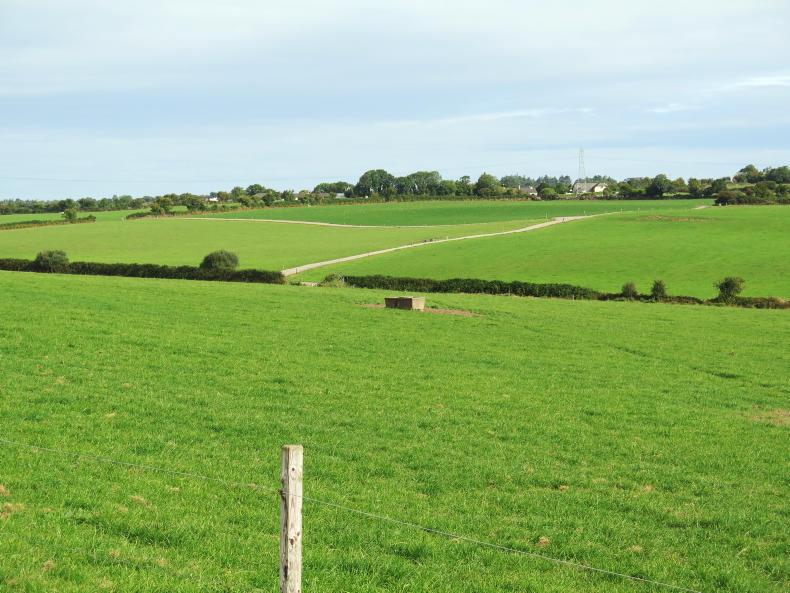
Grass
It’s a real mixed bag when it comes to grass. While the average growth is good and many farms are on or above target, some farms are still struggling to build up covers. It all depends on how much rain has fallen and when it fell. Some farmers have been unlucky and haven’t got enough, with the result being they are still feeding a lot of meal to build up covers.
There comes a time when you need to accept that you won’t reach target average farm cover. In that case, the priority is to make sure that grass demand is less than growth and just hold off dropping what cover you have for as long as possible. It will mean more feed will have to be fed, but less than would have to be fed to reach the targets at this stage. It’s an expensive business either way.
Long roughage, like good-quality high DM bales, will be a good supplement at this time – at least it will slow them down more than meal. But on these farms all silage is scarce, let alone good-quality silage. Cows will do anything but properly graze fields they were fed in during the drought. I’m not sure if it’s sour from nitrogen or what, but if the opportunity comes to bale that paddock I would take it. However, these fields will need to be well wilted if they are high in nitrates, or else they won’t preserve well.
Salmonella
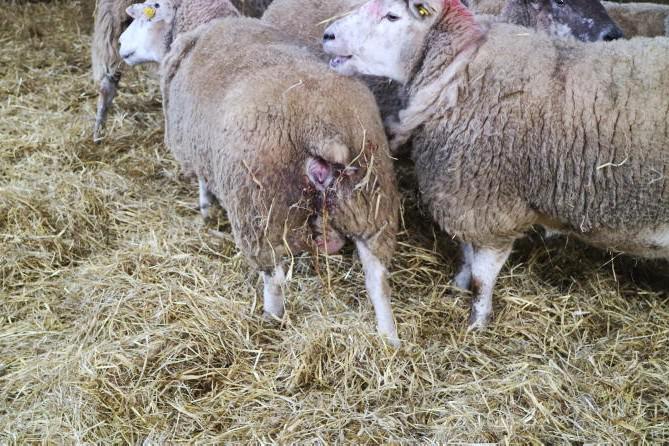
The salmonella vaccine should be administered now, if not already done so. It’s an important vaccine as a salmonella breakdown has the ability to cause serious losses through cows aborting. Heifers and any cows not previously vaccinated will need to be done twice, at least three weeks apart. Continue the dosing regime for worms in youngstock. Look out for signs of lung worm – a deep, husky cough is usually heard after animals go for a run.
Tax
The letters from Revenue came in the post last week looking for tax. For many, it will be a big outlay as 2017 was a good year. But it’s a different story this year, with feed bills three times greater than normal and milk yields back or on a par with previous years. The extra cost of the bad spring and dry summer is around €300 to €400/cow on most dairy farms.
Of course, most dairy farmers came into 2018 in a healthy cash position so they will be okay for cash. However, when Revenue and the merchants are fully paid there may well be a substantial hole in some current accounts.
Everyone should do a cashflow forecast for the next seven months up until the end of April next year. Write up how much cash will be spent and how much cash will come in. Most farmers need around €300/cow to get through the spring.
There is a real chance that on some farms this money will be spent this backend on paying the extra bills incurred this year. If so, more finance will be required to get through the winter and spring. Be thinking now about what stocking rate you’re going to run at next year. For me, an overall stocking rate of 2.5 LU/ha (one cow/acre) is where it’s at on most farms.




SHARING OPTIONS