


Abortions: I’ve heard a number of reports of cows aborting six weeks or two months before calving. It’s normal to get maybe 1%, but anything more is a cause for concern. You are obliged to isolate all cows that have aborted and get them tested and you should get the foetus tested also. The big disease risk is salmonella and every year you hear of cases where a salmonella outbreak has decimated a herd, even in herds that had been vaccinated against salmonella last autumn. If worried, get your vet out as soon as possible and review your options. In many cases, it could just be a hurt that caused it. If the cows are healthy and in milk then milk them on as normal but check the antibiotic withdrawal periods from the dry cow tube before letting their milk into the bulk tank.
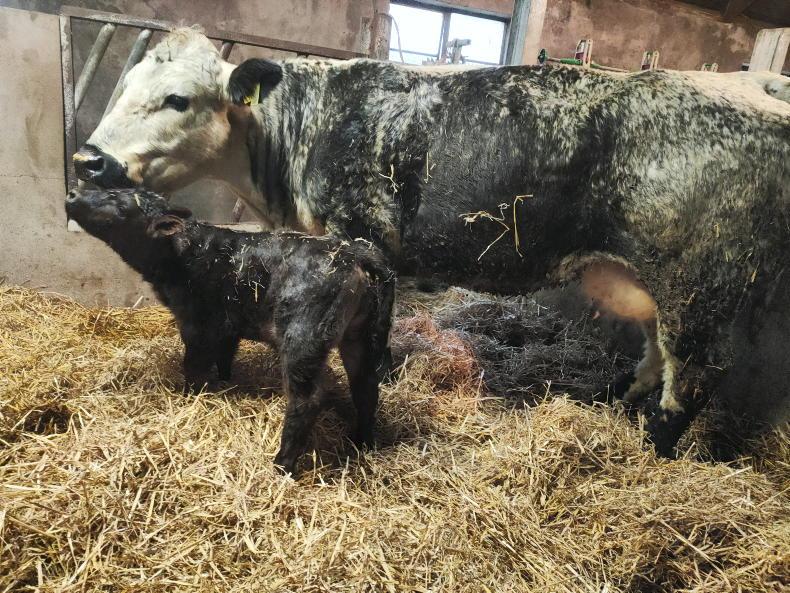
Calving: Calving proper has started on some spring-calving herds already. And while some herds have cows out grazing, it is still too early in my opinion. The research on optimum calving date is clear – mean calving date (the average calving date for your herd) should be around 14 February and a week later if stocking rate is higher or soil type is heavier. The target is to have 50% calved in two weeks and 90% calved in six weeks, so planned start of calving for most farms is either 1 or 7 February.
There is even a valid argument to delay this further and reduce your costs another bit. Those who plan to calve in early January are working harder for very little in return, incurring extra feed and labour costs and reducing your ability to achieve high fat and protein percentages because of the inclusion of a lot of silage in early lactation.
Breeding: Even though this year’s calves are not born yet, it’s time to be looking at what bulls to use this year. These are important decisions so it is better to spend some time at it now, when you are still fresh. Many of the AI companies are releasing their catalogues around now. While the glossy pictures look nice, it’s the numbers that count. Use the Active Bull List from ICBF as a guide. Because most of these bulls have only a genomic proof, or a limited daughter proof, it is absolutely essential that a team of bulls is used. Ask yourself what type of cow you want to be milking. Yes, the goal is high EBI, but that does not necessarily mean that only the top-EBI bulls should be picked. Many of the top 200 EBI herds are crossbred, so don’t forget about hybrid vigour and the contribution that can make over time. Some farmers continue to pick lower EBI sires with New Zealand proofs and then wait for the foreign proof to rise as they get daughter proofs in Ireland. This can work out and in the past where a lot of proven New Zealand genetics was used it has proved very benefical in terms of rising EBI for those farmers that decided to use a lot of one proven sire. Picking sires is a skill and if it’s not your strong point then seek advice from a farmer who you know is good at it.



SHARING OPTIONS