



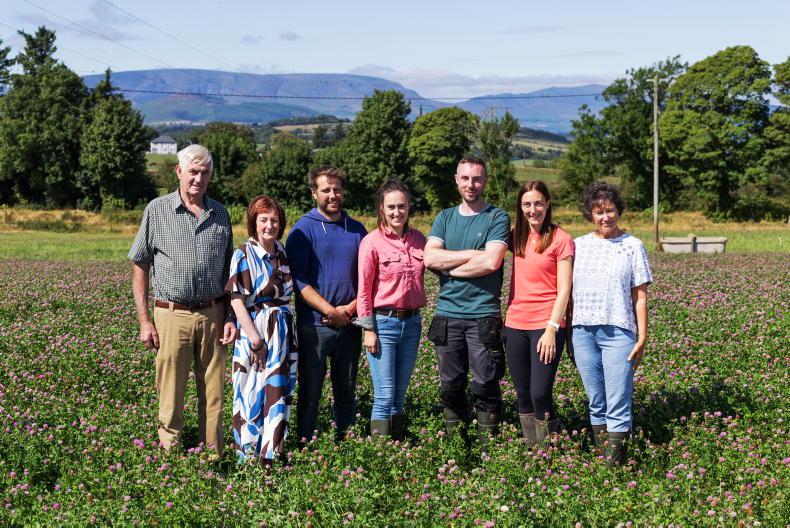
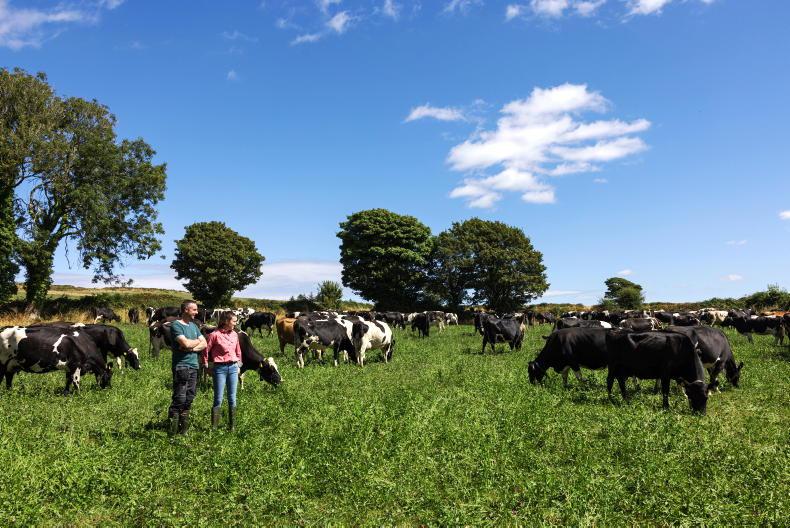
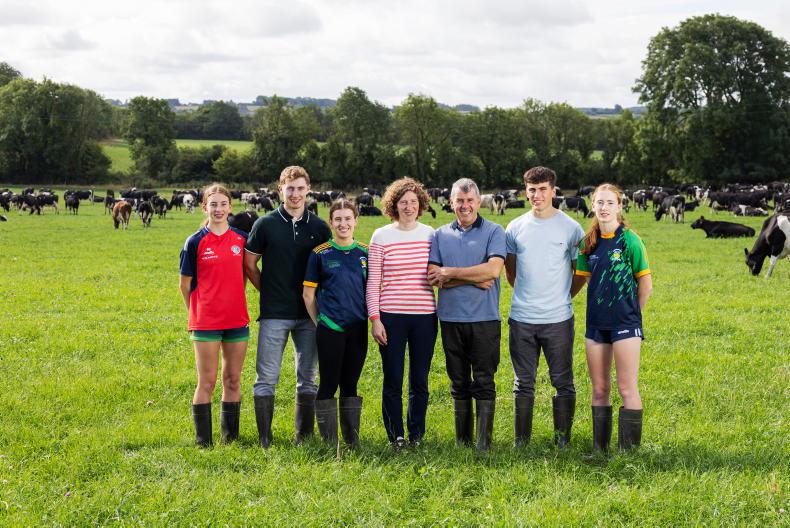
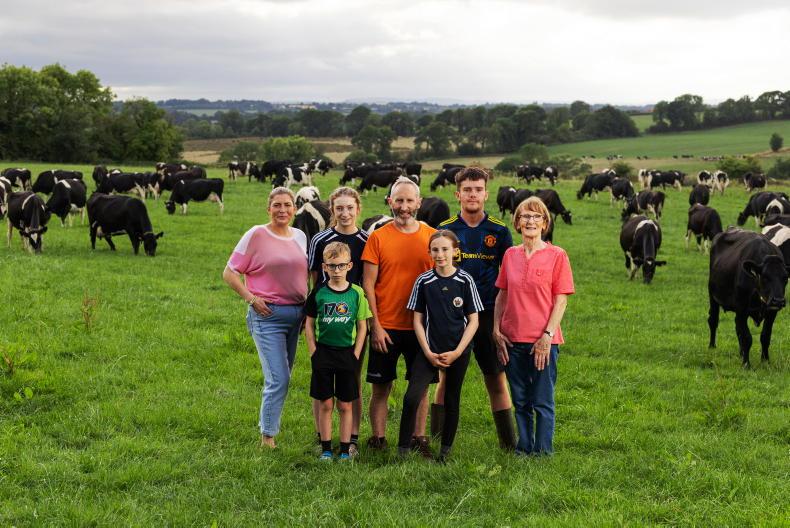
The Fitzgerald farm, owned by Shane and Kate Fitzgerald, is very much a family enterprise. Shane finished school in 2009 and studied business and accounting at Waterford Institute of Technology, before working in Canada. He later completed the dairy business programme at Kildalton, including six months in New Zealand, and returned home in 2016.
At the time there were around 110 cows. Shane was 26 and his father John was 66. Rather than one generation simply replacing another, their different strengths complemented each other.
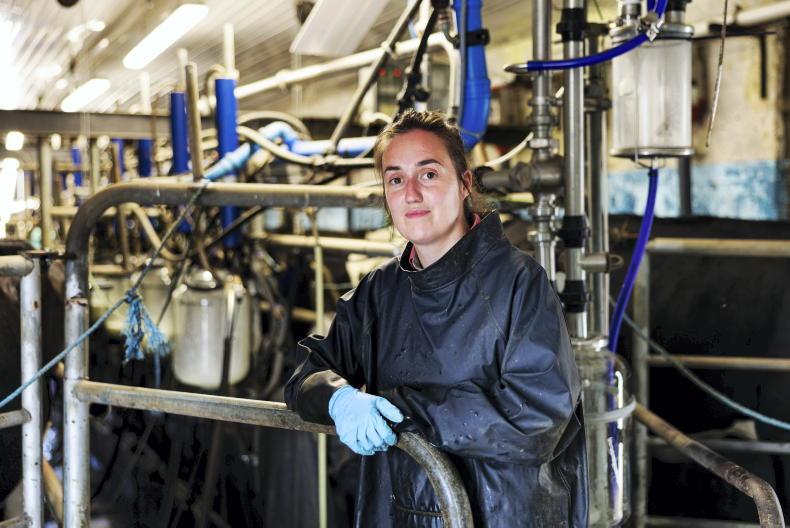
Kate’s route into dairying was different again. Raised on a beef farm, she trained in childcare, before working shifts with Abbott. She met Shane in 2019 and during Covid came to stay at Kilmagemogue “for two weeks”. She never left.
Shift work initially gave her time to help with milking and calves. Dairy farming caught her interest; she completed her Green Cert by distance learning and immersed herself in discussion groups and Dairy Women Ireland. Her childcare background may also have found an unexpected second use: Kate has a particular enthusiasm for bringing schoolchildren onto the farm and explaining where their food comes from.
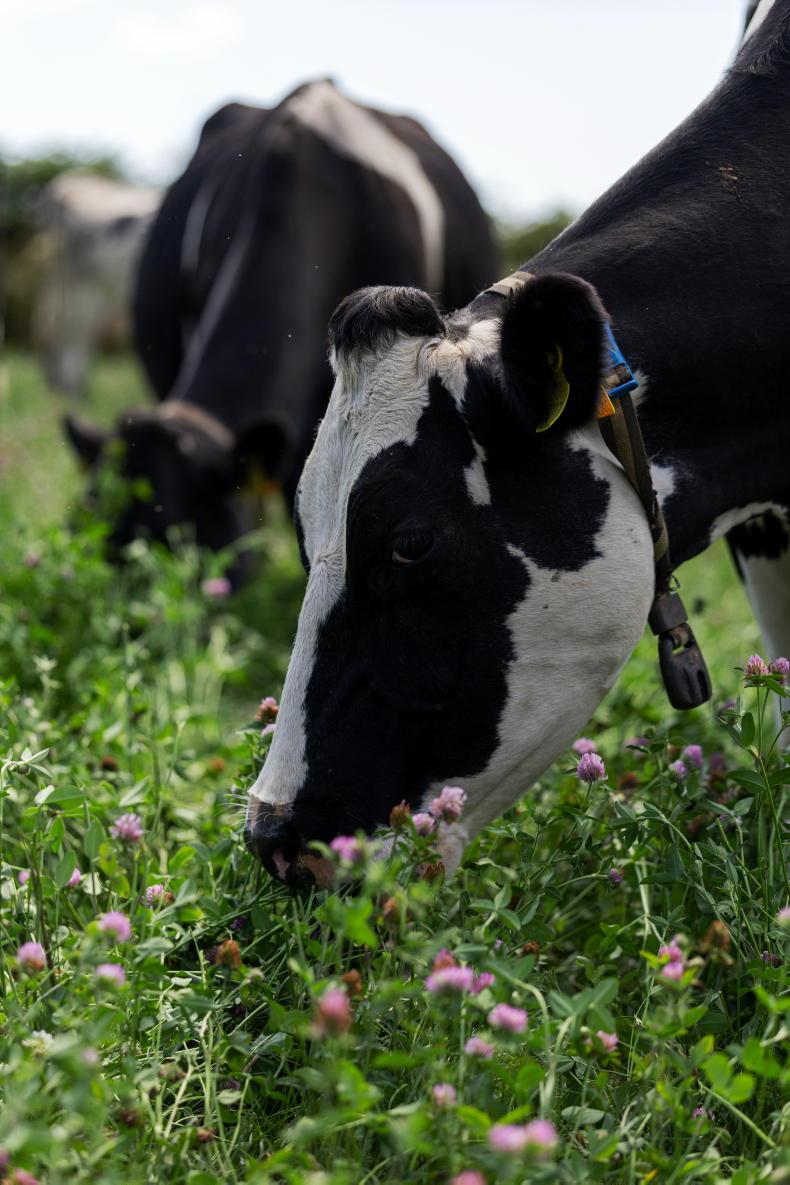
The herd is just over 200 predominantly Holstein Friesian spring-calving cows in a grass-based system, producing in the region of 533kg of milk solids per cow. Grass is measured weekly, around 40 measurements during the year, and spring and autumn budgets are prepared on PastureBase. Milk quality is approached with the same attention to measurement.
Technology helps, but it has not replaced stockmanship. Cow collars assist with heat detection and health monitoring and have already provided early warning of problems, including an E. coli mastitis case and a displaced abomasum. Shane has also completed hoof-paring training, so that a lame cow does not have to wait for attention.
The Fitzgeralds have reached close to the number of cows the land can comfortably support. The next phase is therefore not about introducing more animals onto the platform, but improving what they already have.
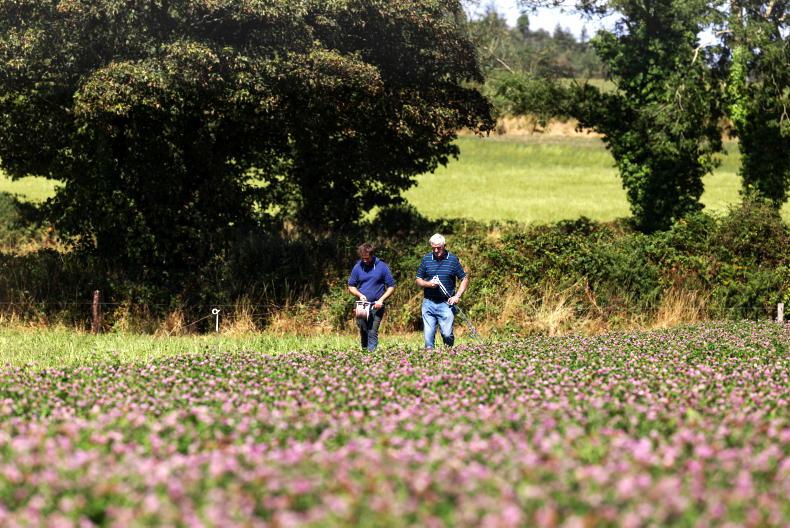
Multispecies swards have been trialled, clover is increasingly important, protected urea and low-emission slurry spreading are routine, and chemical nitrogen use has been substantially reduced. Watercourses have been fenced back beyond minimum requirements and new hedgerows planted. A wildlife pond has been dug and owl boxes erected.
The Fitzgeralds’ definition of sustainability also extends beyond carbon and biodiversity. A farm must be economically viable, environmentally responsible and an enjoyable place for people to work. If one of those pillars disappears, they argue that the system will eventually fail. There is little point building a technically perfect farm if nobody in the next generation wants to live on it.
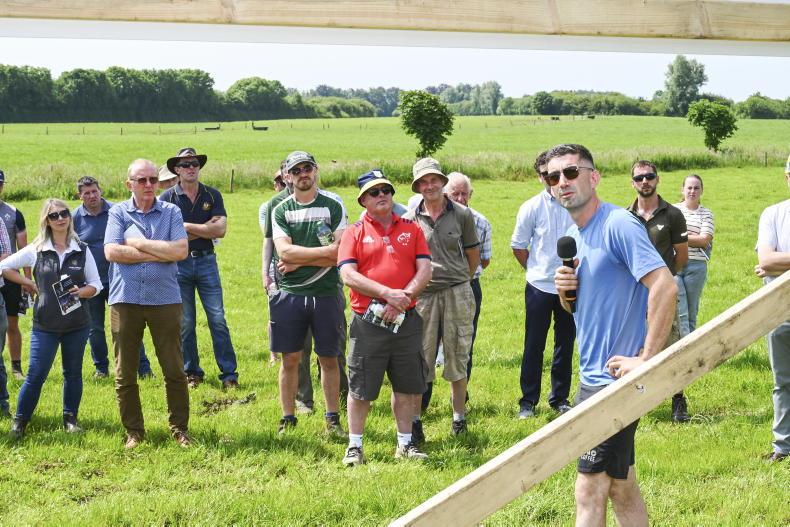
Shane first became conscious of how little many people outside farming knew about food production during college. Kate has also reached the same conclusion through her work with children and as an ambassador for dairy farming. Their response has been to invite people onto their farm. More than 1,000 people came through the yard for an Agri Aware open day. In March 2022, there was a rather more unusual visitor when, the then Prince of Wales, King Charles III came to see first-hand the environmental measures being adopted on the farm.
The Fitzgeralds want a productive farm capable of supporting a family, producing excellent milk, treating animals well, reducing its environmental footprint, and leaving room for nature. Just as importantly, they want people outside agriculture to understand how that is being achieved, with care and attention to detail.


SHARING OPTIONS