In the run-up to Dairy Day 2026, the Irish Farmers Journal has been profiling 10 of the best ideas for improving labour efficiency on dairy farms.
The series has been running online over the past five weeks, with two ideas discussed in detail each week.
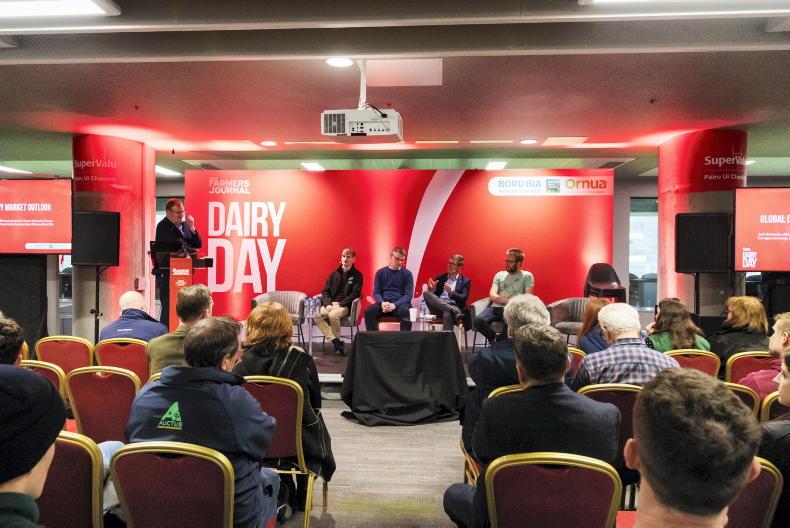
At the event itself on Saturday 14 November, the 10 ideas will come to life in a dedicated demonstration area.
Over the course of the day, there will be two live demonstration sessions. During each session, buildings editor and TAMS expert with the Irish Farmers Journal Martin Merrick will go through each of the ideas in detail.
Attendees will have the opportunity to ask questions, speak with company representatives about the different investments and, most importantly, vote for their preferred idea.
The demonstrations will culminate in a live session on the Inside the Farmgate stage, where Daire Cregg will be joined by Limerick dairy farmer Niall Moloney, Conor Hogan from Teagasc and others for a panel discussion on labour-saving ideas.
Each of the three panellists will rate the investments on a scale of one to 10. The votes collected in the demonstration area will also be taken into account to determine which of the 10 comes out on top.
E-gate
The first of the 10 ideas is automatic gates. More commonly known as a batt latch or E-gate, they work off a timer, allowing cows to return to the shed without the farmer having to go out and physically move them. Auto-gates can save roughly half an hour at each milking and are particularly useful for on/off grazing.
Automatic calf feeder
The second idea is an automatic calf feeder. Becoming increasingly common on dairy farms, calf feeders can save farmers one minute per calf per day, according to Teagasc research. In a 100-cow herd rearing 100 calves, that’s over an hour and a half per day at the busiest time of the year.
Bale slicers
Bale slicers are another relatively simple investment that can save time and labour during the winter months. They allow farmers to cut and remove the plastic and netting from bales while lifting them with the front loader. This can significantly reduce the amount of manual work involved in feeding silage.
Additional milking units
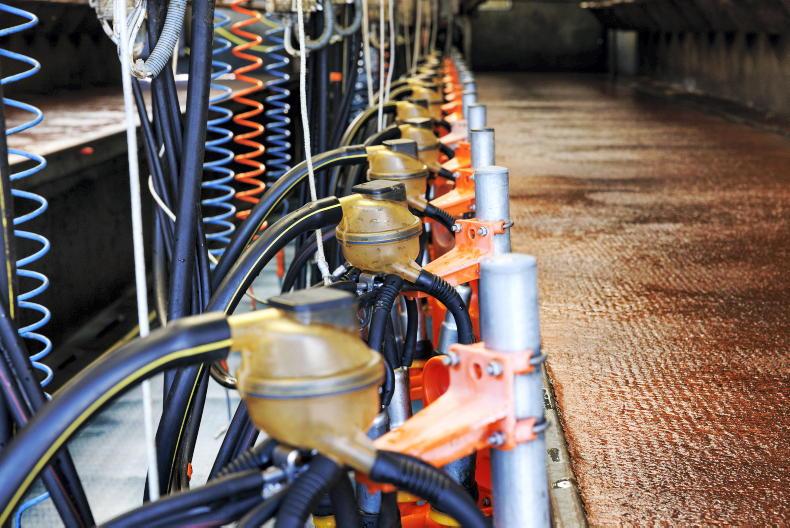
Investing in additional milking units can be a worthwhile option for farms where milking is taking too long. The aim is to reduce the number of rows of cows being milked. This may involve remodelling the parlour, but the potential labour saving can make the investment worthwhile. Even reducing the number of rows by one or two can make a significant difference to the time spent milking each day.
Automatic parlour washing system
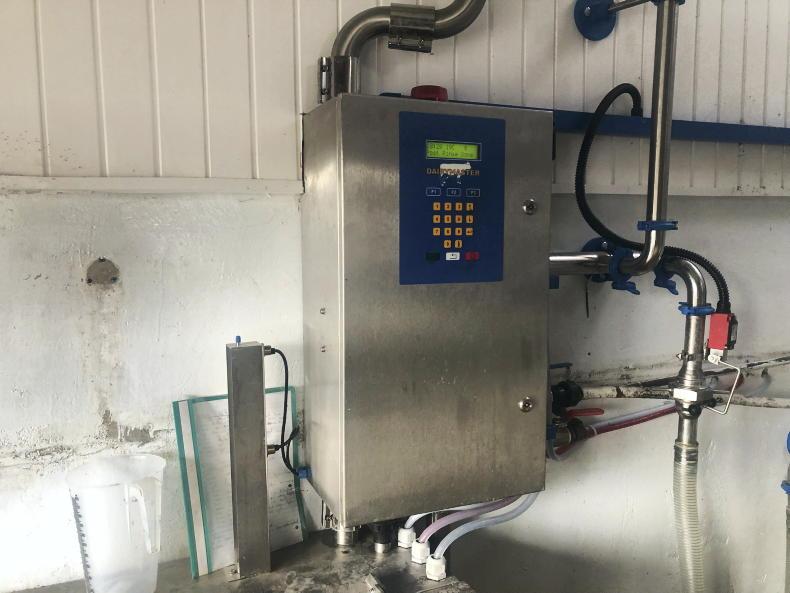
An automatic parlour washing system is another big time saver when it comes to washing up after milking. Once the parlour has been hosed down, the auto-wash can be started and the farmer can move on to other jobs rather than waiting around switching pipes and filling wash troughs. It’s another investment becoming increasingly popular on dairy farms.
Automatic drafting gate
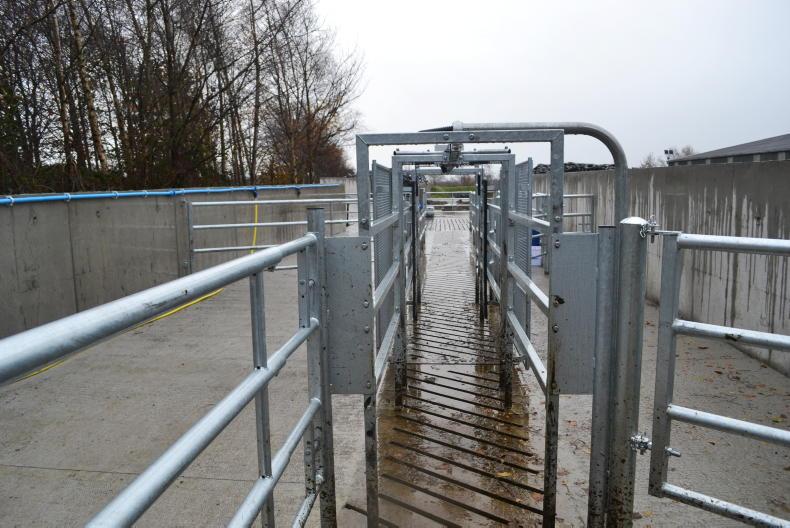
An automatic drafting gate allows farmers to separate cows from the main herd without having to physically draft them after milking. Cows can be selected for drafting based on their electronic identification, making it particularly useful for AI, veterinary call-outs and other herd management jobs.
Cow collars
Cow collars are becoming increasingly common on Irish dairy farms, with heat detection and health monitoring among their main functions. From a labour-saving point of view, the biggest advantage is reducing the time spent watching cows for heats. Health alerts can also help identify cows that may need attention earlier than would otherwise be possible.
Mesh silage covers
The eighth item on the list is mesh silage covers. Covering and uncovering silage pits is a job dreaded by many farmers. Mesh covers, paired with sandbags, can significantly reduce the labour involved compared with using tyres. The sandbags are easier to move and can be positioned where needed. Mesh covers also help protect the plastic underneath, reducing the risk of damage and silage spoilage.
Flexible milking intervals
Introducing flexible milking intervals is an option that doesn’t necessarily require any capital investment. Once-a-day (OAD) or 10-in-7 milking can significantly reduce the time spent milking over the course of a week. While these systems won’t suit every farm on a year-round basis, introducing flexible milking intervals for part of the year can be a useful labour-saving tool.
Straw chopper
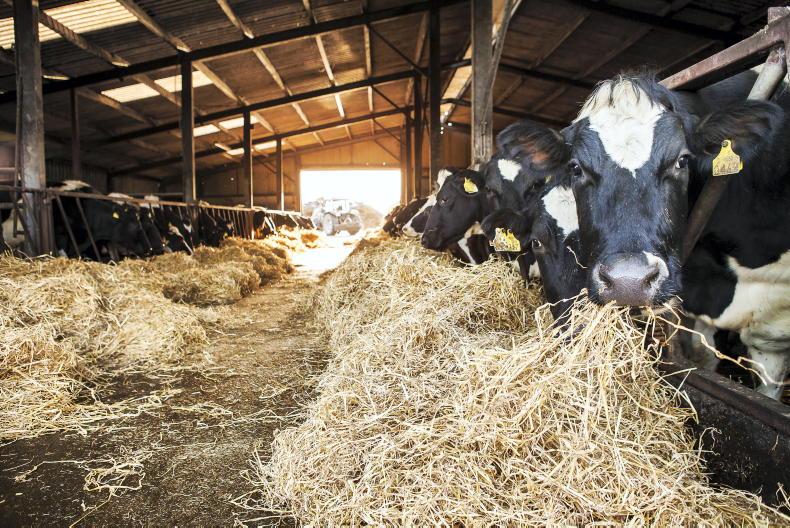
Finally, a straw chopper can significantly reduce the labour involved in bedding calf sheds and calving pens during the winter and spring months. Rather than manually spreading straw with a fork, the machine chops and distributes it across the bedding area. This can save considerable time, particularly on larger dairy farms where bedding is a regular job.