


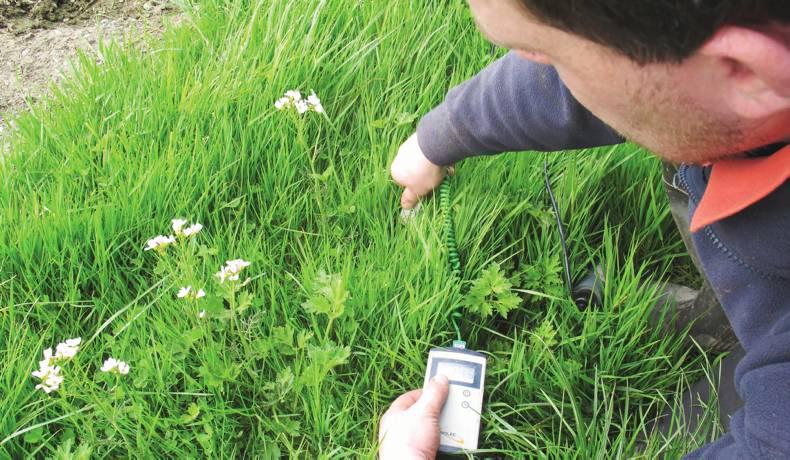
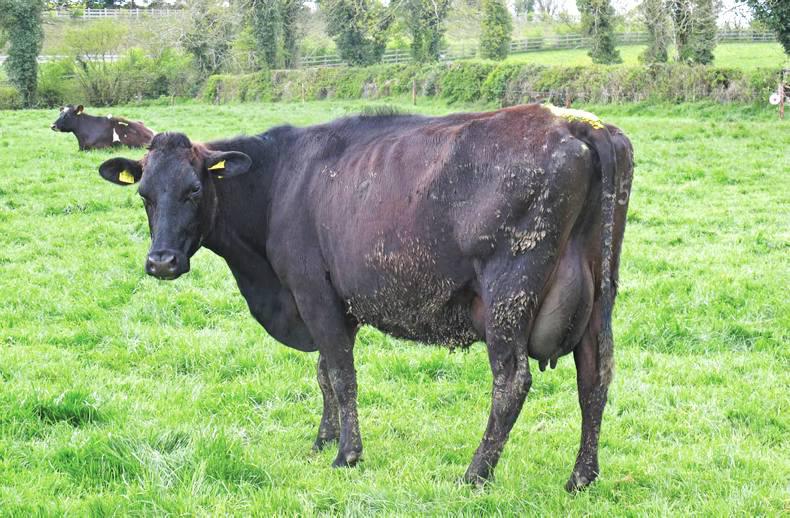
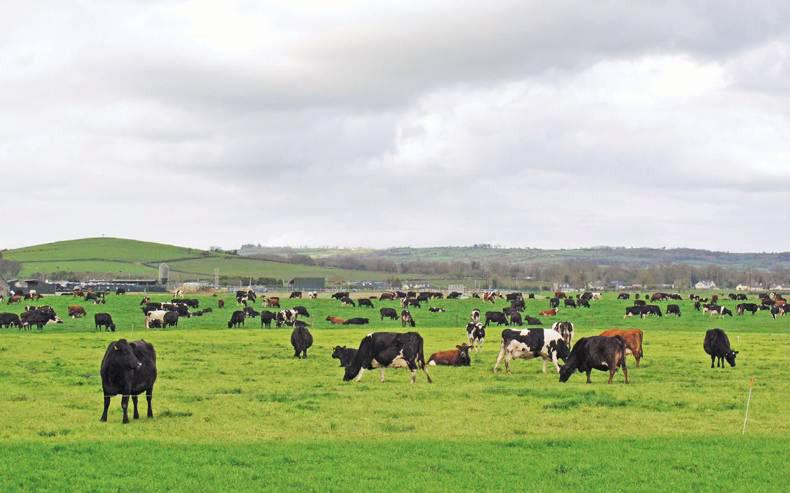
Grassland management at this time of year is about managing grass surplus and deficits and, at all times, trying to keep optimum quality in front of the milking cows.
Over the course of a year, the amount of grass grown depends on soil drainage, paddock topography, what way a field is facing, soil fertility, grass variety and grassland management.
At this time of the year, grass supply and demand is determined by how fast grass is growing and how much nitrogen a farmer applies.
The majority of farmers will spread artificial (bag) nitrogen after a paddock is grazed and maybe spread two or three paddocks at a time so they are not spreading every day.
How much nitrogen to spread will depend on your stocking rate and grass demand, but, at this time of the year, it varies from 27 units/acre for those stocked over three cows/hectare down to 15 to 20 units/acre for those that are not stocked heavy.
The total amount of nitrogen spread depends on your fertiliser plan for the year to stay within nitrates directive limits etc. Newly reseeded fields will need more fertiliser than established grassland paddocks as, normally, organic matters are lower, especially if paddocks are being converted from long-term tillage.
Most farmers find it easier to keep grass growing and if a surplus of grass arises then they take that out as quality round bale silage.
In terms of management, the farmer has control over what height the grass is when he lets the cows in and how long he leaves them in the paddock.
How much grass you leave after grazing will impact on quality for the next time cows enter the paddock, so cleaning it out well will help deliver nice quality the next time.
1. Ideal pre-grazing height: The latest research suggests a mix of clover and ryegrass swards is delivering 2kg to 3kg more milk yield per cow than just ryegrass swards alone. Optimum quality at this time of year can deliver an extra 0.1% protein or up to 0.3 kg of milk solids for optimum quality swards. Optimum cover is between 1,500kg and 1,600kg DM/ha (10cm to 12cm long grass).
2. Ideal post-grazing height: Graze out is dependent on the quality and quantity of grass that is in the paddock when cows enter. There is no point forcing cows to eat grass that is poor quality. Ideally, the paddock should be grazed down to around 4cm, which means cows are eating down around the dung pats in the field.
3. Managing stock numbers: Ideally there is no need for strip wires at this time of year. Removing strip wires and giving the herd two or three grazings per paddock gives younger cows a better chance and puts them under less stress. It also means only one tight grazing in three as opposed to a tight one after every grazing.
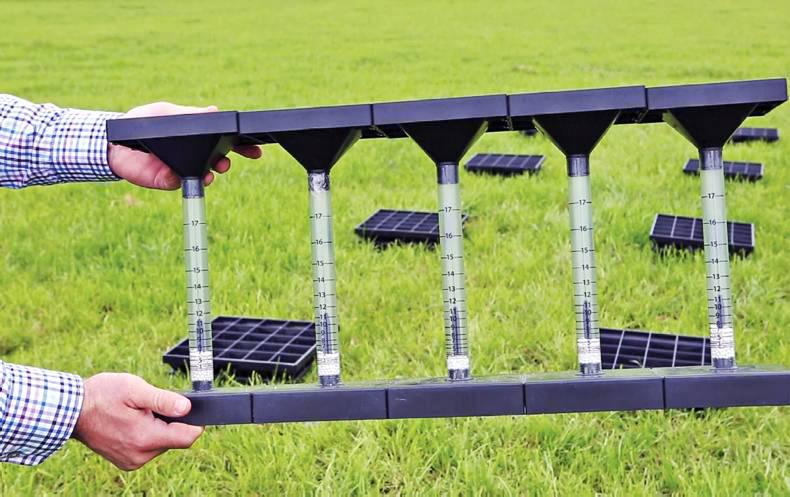
4. Calibrating fertiliser spreader: At a recent Dairygold/Teagasc monitor farm meeting in Limerick, there was a demonstration on how to calibrate and test your fertiliser spreader (see video). Set it up right – at least 70cm off the ground, no worn veins, stay going at same revs and speed. When you are spreading up to €200 per acre it pays to spread it properly and evenly. Safety tip: Very important when attaching fertiliser spinner – ensure PTO is properly covered.





SHARING OPTIONS