


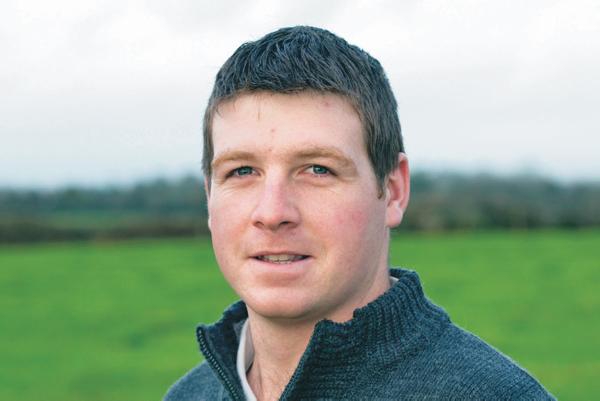


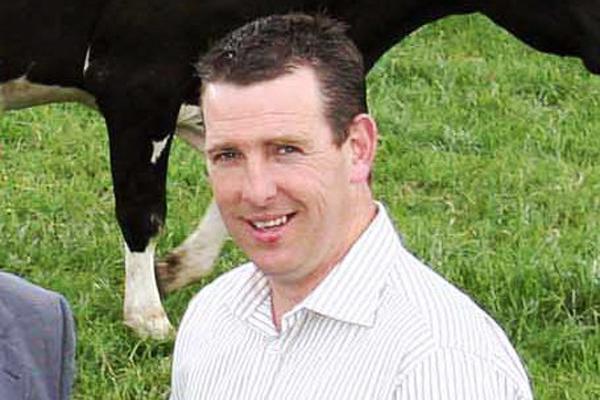
Steven Fitzgerald, Farm Manager, Teagasc Curtin's Research Farm
Our total grass grown for the year is just over 13tDM/ha, with a variation between paddocks of 11tDM/ha to a high of 17tDM/ha for two paddocks which were grazed all year. On average about 11tDM/ha was eaten as grazed grass and 2tDM/ha was taken as silage. The two mini droughts this year really hit us hard and we lost probably between one and 1.5tDM/ha. The autumn drought was especially bad as when the rain arrived in October we got a good growth lift, but it only lasted two weeks and we failed to build up as much grass as we would have liked. In the medium stocking rate trial (2.9 cows/ha) the Jersey crossbred cows delivered 431kgMS/cow and the Friesians delivered 448kgMS/cow from 600kg of meal, which is twice what we normally feed. This puts total production at 1,290kgMS/ha. Herd EBI is on average €187. Friesians delivered 5,250 litres at 4.69% fat and 3.61% protein, while the Jersey crosses delivered 4,600 litres at 5.26% fat and 3.82% protein. After 12 weeks breeding we had 11% of the herd empty. Six week calving rate from cows milked this year will be 68%. Conception rate to first service was 55%, on average we used 1.8 straws per conception and we had 6% embryo loss in the herd. Empty rate was similar for both breeds and was higher in the high stocking rate group than the medium or low groups.
Donal Patton, Farm Manager, Ballyhaise Research Farm
Total grass grown this year is 13tDM/ha, which we are happy with. The year suited this farm and while the cold spring reduced growth, from then on grass performed very well. We had only grown 1tDM/ha by 1 June, but grew over eight tonnes of dry matter from then to August and over four tonnes of dry matter of grass from August to November.
Building up grass cover in autumn went very well. Although we finished up grazing in early November we fed very little meal and silage to do this. Over the last number of years we are finding that as fertility improves we actually have an increased demand for silage. When fertility was poor we were culling a lot of empty cows in September which reduced demand at grass and helped us keep the herd out for longer in the autumn. Fertility is much improved now and as a result we are milking more cows late into the autumn, so we are producing more milk but we also need more silage. The most silage we have ever needed to get through a winter was 1.4tDM/cow, so our ambition is to have this much silage every year. This includes a reserve of 200kgDM (one bale) high quality baled silage per cow for the spring.
As fertility has improved, the herd is becoming more mature and milk solids production is improving, we averaged 400kgMS/cow this year.
Aidan Lawless, Johnston Castle, Wexford
We have the herd fully housed since last week. We stayed grazing until 26 November to eat down the heavier covers. Our best paddocks for next spring have 1,200kg of cover. There are heavy covers on about 10% of the paddocks. We’d normally grow between 6kg to 8kg per day over the winter weeks. We target turnout for February 1 and will ration out what grass is there at that stage. We haven’t the final figures completed just yet, but we have grown slightly under 13 tonnes of grass this year, despite the drought striking in July. We are about to dry off the last of the spring calving cows which will leave us with the autumn calved cows, which represent 65% of the herd.
The indoor diet has 2.5kg of a 20% CP blend in a 60% grass silage and 40% maize silage mix. The feed to yield group are getting 2kg in the parlour and then a top up of 0.5kg of meal per litre produced, over 22 litres per cow. The feed to budget group are getting 2.5kg of meal morning and evening as well as the 2.5kg blend in the forage mix and obviously don’t get more meal depending on yield.
On average the herd are producing 27kg at 4.30% fat and 3.60% protein (2.2kg MS/cow). The herd will be scanned tomorrow in advance of the start of breeding on 16 December. The grass silage is 72 DMD and the maize is 31% starch.
Andrew Whelton, Leap, West Cork
We have dried off the last of the herd on Friday, but some of the cows are still outside on beet tops. Cows are off grass for the last 10 days. We have grass, but we are not grazing it because we need it for next spring. On the first paddocks closed there is a cover of 1,400kg. We closed last week with a cover of 620kg and we usually grow at least 150kg over the winter period.
We got locked up with TB yesterday so we’ll need all the grass we have for next spring. I haven’t totalled up average yield yet, but I estimate we will have delivered about 4,600 litres per cow in the last year, after feeding 750kg of meal. The spring shortage is what lifted out meal fed figure. Not in-calf rate for the herd was 7% after 12 weeks.
The 39 in-calf heifers are inside on silage and fodder beet. They are in great order. We have about 50 weanling replacements and the 16 light ones (less than 190kg, 10 days ago) are out grazing Red Start with some bale silage and meal. The bigger group will be on 1kg of meal and good silage up to start of January. The meal will come out then and they will go on silage only until they go to grass in early February.






SHARING OPTIONS