Spring grass: With such good grazing conditions this week, it is tempting to keep grazing on longer than planned this autumn.
While extending the grazing season will reduce workload around the yard and increase animal performance, the remaining grass should be saved for spring.
If the farm is now at 675kgDM/ha or less but there are still some paddocks with covers of more than 1,500kgDM/ha, these large covers should be left for next spring.
While these strong paddocks will not grow much between now and next March, the grass they do have will still be very good quality and will benefit freshly calved cows to a much greater extent.
We have such compact calving herds and higher milking platform stocking rates now that we are invariably tight on grass by the end of March each year.
Having an average farm cover of 1,000kgDM/ha or above at the start of calving is critical to get off to a good start in spring.
Although we would ideally like to graze off anything above 1,500kgDM/ha before winter, the case for leaving this grass to maintain an adequate average farm cover is stronger than normal this year, given that many of the high-quality silage bales we would normally use in spring have been fed during last summer and silage reserves are scarce.
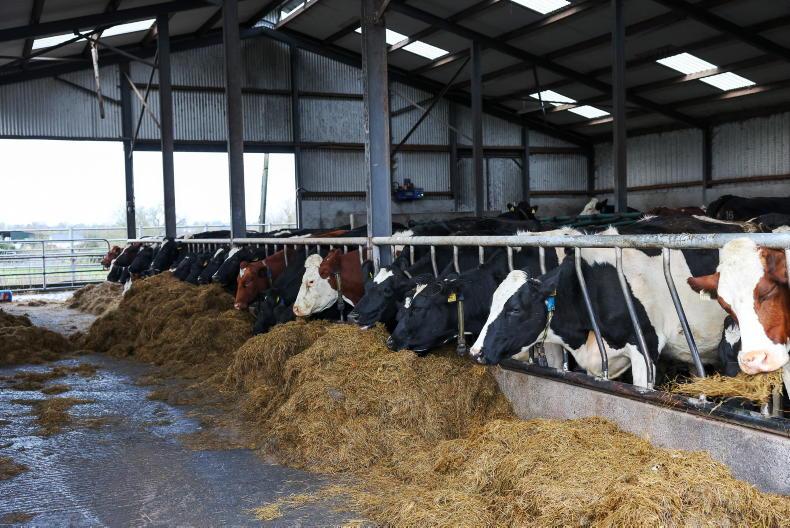
Silage stocks: With the grazing season coming to a close, farmers now know the starting point for winter feed requirements.
If not already done, now is a good time to carry out or update a forage budget with an adviser to check if enough silage is available.
At recent farm walks, farm advisers have raised concerns about the limited amount of silage in some yards and the lack of alternative options.
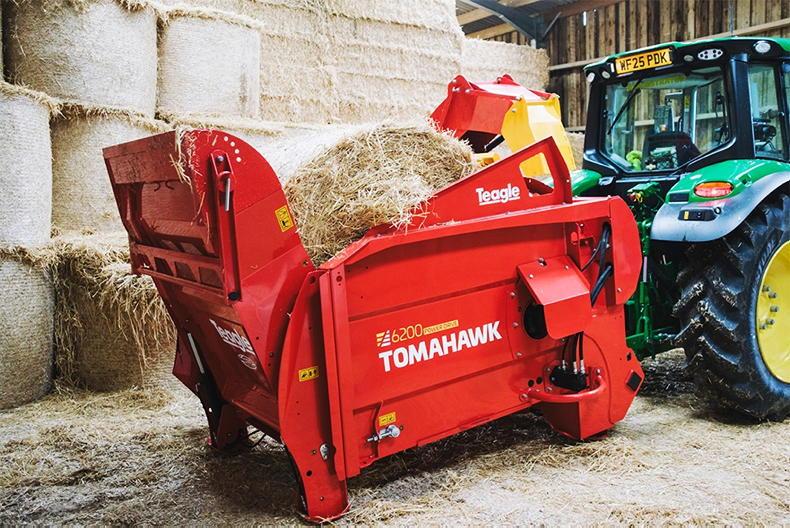
While most farmers will generally know if they have a normal level of winter feed bulk in the yard, silage made during late autumn this year has a lower dry matter content and so animals will eat more each day during winter.
There is no substitute for calculating how much silage is in the clamp and how much is required over a five-month winter to identify if a shortfall exists. It may still be possible to buy silage made during the last two months locally and if it is, this is probably the cheapest alternative feed option.
It is also worth getting a silage analysis done as silage quality can vary substantially when it is made late in the season, as was the case this year. If forage can’t be sourced, feeding higher levels of concentrates in the parlour over the next month to milking cows is probably the simplest option to stretch silage supplies on most farms.
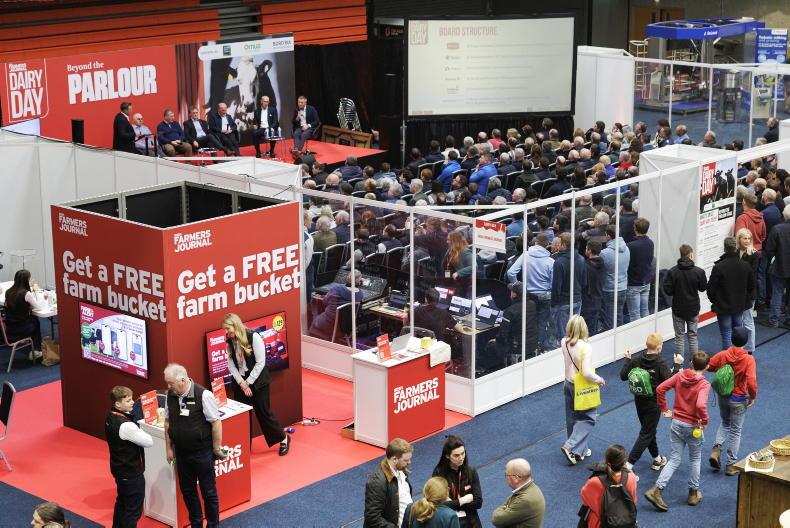
Dairy Day: Dairy Day 2026 will take place on Saturday 14 November in the University of Limerick Sports Arena. We have a packed line up of leading farmers and industry experts from Ireland and overseas who will deal with the main challenges and opportunities for Irish dairy farmers and the wider dairy industry. There will be two main stages with talks taking place throughout the day. See the dairy pages or www.ifj.ie/dairyday for more details.