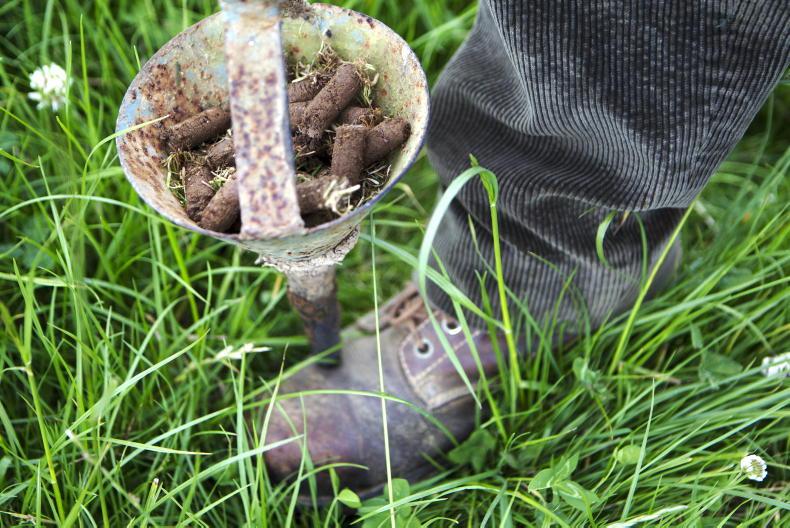
Soil samples: any farmer that needs soil samples as part of their nutrient management plan either for the nitrates derogation or just to buy in P fertiliser should be taking the samples as soon as possible. This is to ensure that the results are back by the time the management plan is put in place by the advisor.
The other big thing of course is that soil samples need to be taken before any slurry is spread, or else the P and K results will be off. The new rules on soil sampling states that each sample must be labelled with either GPS co-ordinates or the LPIS number of the field.
The LPIS number is the long number on each parcel that’s displayed on the BISS maps. Where a sample runs across a number of parcels, each parcel LPIS number or GPS co-ordinate must be listed on the sample bag or box.
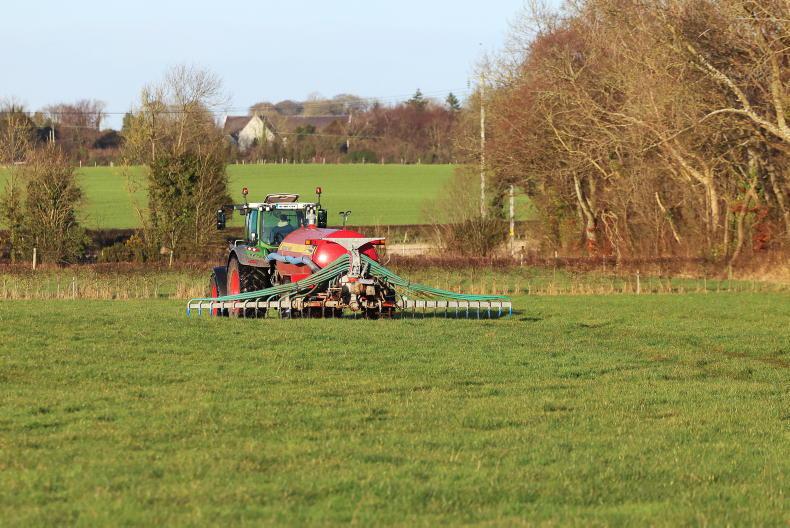
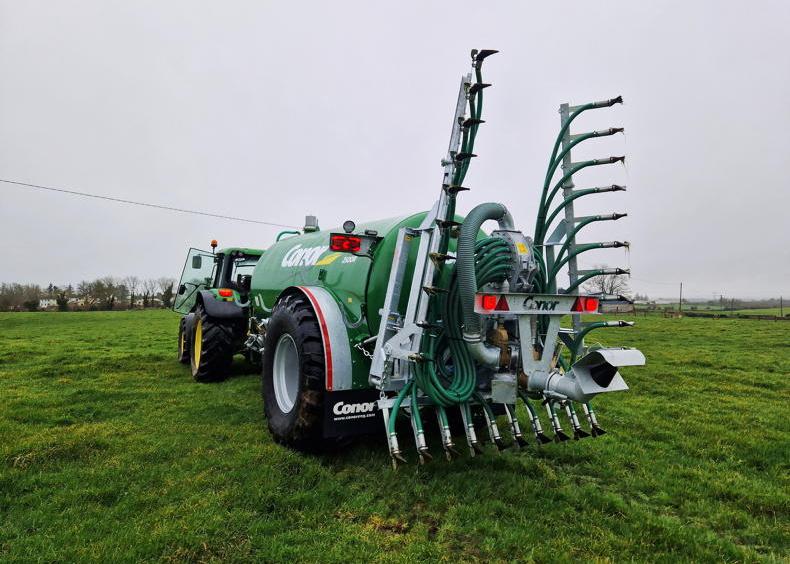
Slurry: the closed period for spreading slurry will end over the next few weeks in a staggered approach depending on what zone each farm is in. Slurry is permitted to be spread in all the counties in Zone A from 13 January and all the counties in Zone B from 16 January. Farmers in Zone C and in Northern Ireland have to wait until the end of the January to spread slurry.
The key thing with slurry at this time of year is to spread as little as possible and enough to get by until the fields that need it most can get it. Because land is wet, the temptation in the past was to spread as much as possible on the dry and easy access fields near the yard or with good roadway access.
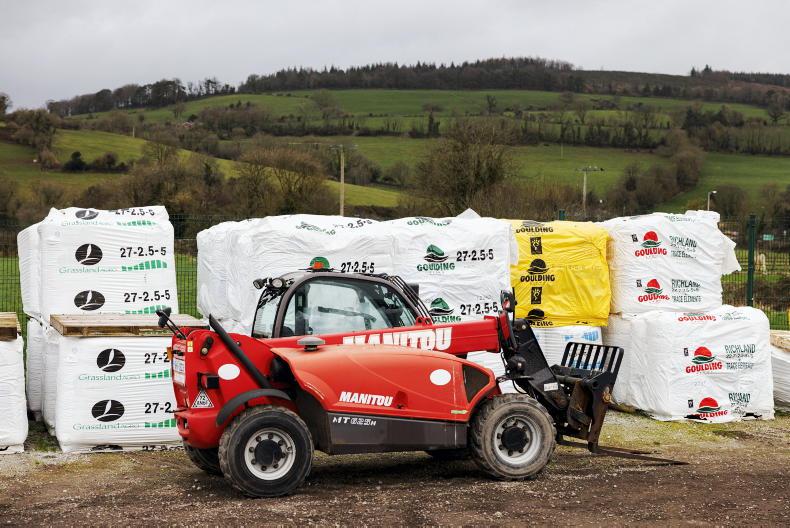
With the price of fertiliser likely to go up if the CBAB tax is added, getting more from slurry is one of the steps to reduce costs this year. Most of the value in the slurry is the P and K component so targeting slurry to the fields that are low in P and K (usually the silage fields) makes most sense.
There are plenty of reports over the last few weeks of slurry being spread on farms, against regulation. A word of warning – councils and the Department are very active in monitoring this activity. There is unlikely to be much sympathy from the local community for farmers that are prosecuted, given the huge effort going in to improve water quality.
Conferences: there are two conferences taking place over the coming days of relevance to dairy farmers. On Friday 9 January the Irish Grassland Association dairy conference takes place in Charleville, Co Cork, while the Positive Farmers Conference takes place on Wednesday 14 January in Little Island, near Cork city.
See more on pages 30 and 31 about the lineup for this event. Both conferences offer a blend of the latest science, steps to reduce costs, manage grass and livestock and inspirational farmer stories.
Tickets to both events are available online. It’s a good chance to get the mind thinking about the year ahead and how to deal with the challenges around milk price and whatever the weather brings us. High beef prices will help to cushion some of the milk price cuts, but surgery to dairy related costs is still required on most farms.