



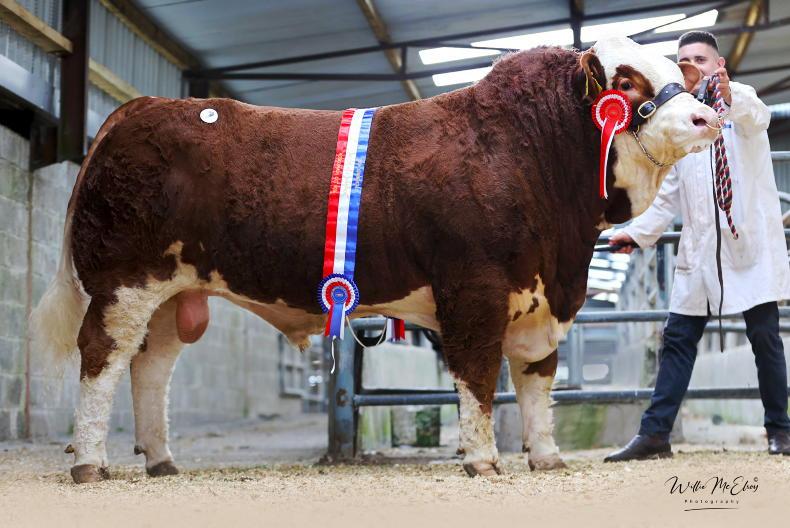
Pedigree breeders in Ireland are coming to terms with the recent ban on live exports to Northern Ireland and Britain, following the outbreak of bluetongue in the Republic.
Every year, pedigree cattle and sheep are exported to Northern Ireland and Britain from Ireland, and in many cases, they are the top-tier cattle and sheep across all breeds.
The ban imposed by the Department for Environment, Food and Rural Affairs (DEFRA) and the Department of Agriculture, Environment and Rural Affairs (DAERA) will affect some breeds more than others, but will undoubtedly have a negative impact on the trade of all pedigree cattle and sheep.
Simmental
One breed in particular which has strong links with the UK is the Simmental. At the Irish Simmental Cattle Society’s Premier sale in October 2025, 36% of the cattle sold went for export to the UK, with 30% of those remaining in Northern Ireland.
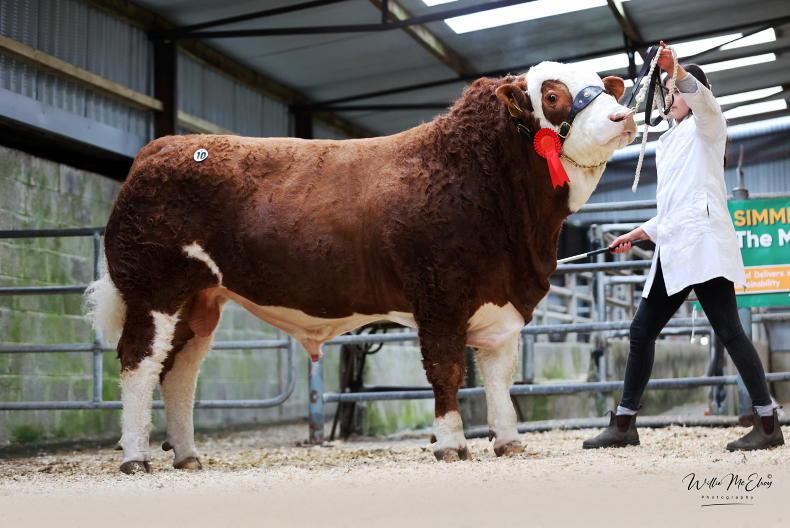
At the society’s spring premier sale, 20% of the cattle sold went for export to the UK, with 15% of them going to Northern Ireland.
The number of cattle being exported is one thing, but the fact four of the five highest-priced cattle at both sales went for export to the UK is just as concerning for the society and its breeders.
Commenting on the issue, Peadar Glennon, the society’s secretary, said: “The UK market is vital for our sales. Irish Simmental genetics have been highly sought after in the UK in recent years, which has been evident at our sales in 2025.
“It is essential a resolution is reached to allow the movement of live cattle to and from the UK as soon as possible.”
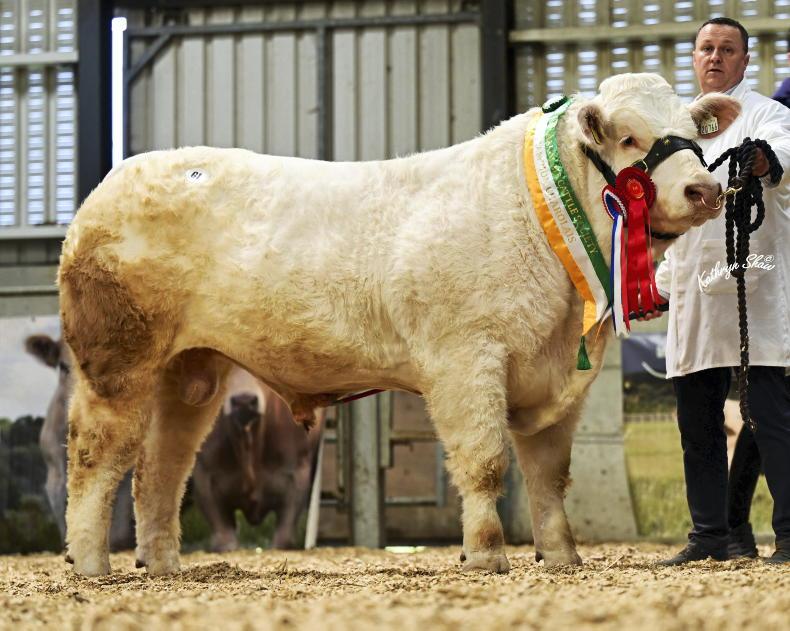
Charolais
Another breed which will be greatly impacted by the ban on exports to the UK is the Charolais. At the Irish Charolais Cattle Society’s Christmas cracker sale in December 2025, 18% of the bulls sold went for export to Northern Ireland.
At the society’s calf show and sale in September 2025, the three highest-priced animals went for export to Britain.
In March 2025 at the society’s premier show and sale, 21% of the bulls sold went for export to the UK, including the highest-priced bull. The highest-priced heifer on the day also went for export to Northern Ireland.
Carrick sales
Based within close proximity to the border between the Republic of Ireland and Northern Ireland, the Midland and Western Livestock Improvement Society sales at the showgrounds in Carrick-on-Shannon depend on UK customers throughout the year.
The society is gearing up to host its first sale of 2026 on Saturday 7 February. At the same sale in 2025, 15% of the cattle sold went for export to Northern Ireland, including the highest-priced animal on the day.
Given Carrick-on-Shannon’s convenience to Northern Ireland we are always assured of prospective purchasers from all over Northern Ireland at our sales
Lourda McGowan, secretary of the society, says the team is “anxious” the export situation is resolved without delay. “The Carrick committee are most anxious that some resolution to this problem would be achieved this week. Given Carrick-on-Shannon’s convenience to Northern Ireland we are always assured of prospective purchasers from all over Northern Ireland at our sales.
“Anything over 10 bulls could be exported from Carrick at each sale. As we prepare for our first show and sale of the season on Saturday 7 February, there is an urgency that this matter must be resolved.”
Solution needed
Seamus Nagle, chairman of the Pedigree Cattle Breeders Council of Ireland, is adamant a solution must be reached by the departments involved.
Speaking to the Irish Farmers Journal, he said: “If we lose Northern Ireland and UK mainland customers for breeding stock this spring, it will devastate the income of top-end breeding stock.
“Now that we hold an equivalent disease status, it’s incumbent on the Department of Agriculture, Food and the Marine to negotiate with DEFRA and DAERA to find a solution to reopening the live trade between Ireland and the UK.
“UK customers have always driven the price in the market for quality cattle. It’s time we sat around the table to create a roadmap to [find] a solution to reopening the trade in both directions,” he said.
Imports of live cattle and sheep for breeding to Ireland from Northern Ireland and Britain have been suspended since both jurisdictions have confirmed cases of bluetongue in 2024 and 2025. This has left breeders unable to source out-cross genetics which are fundamental for the future of their breeding programmes.
Exports to the EU
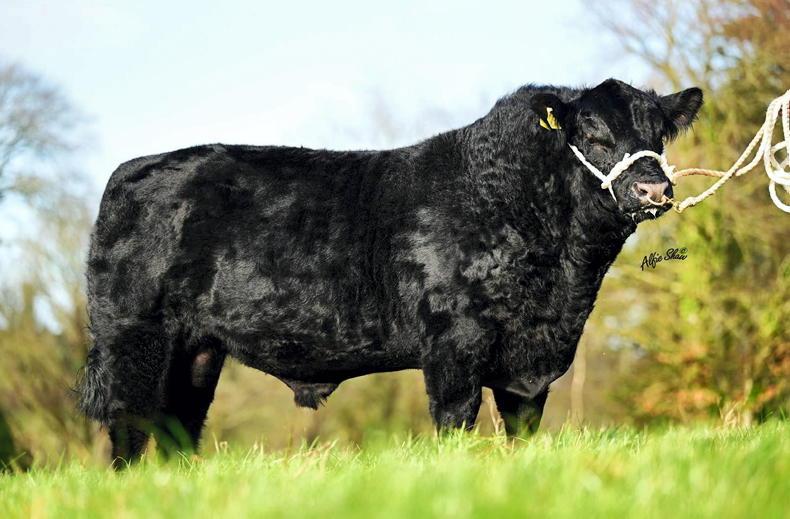
Exports to the EU from Ireland are still permitted, but may be subject to certain requirements, depending on the country of destination. Although not as many pedigree cattle or sheep are exported to the EU, the market is still important for many breeds, especially Angus, with a number of high-priced cattle exported to Portugal in 2025.
How the situation plays out over the coming weeks and months will have a massive impact on the trade of pedigree cattle and sheep in 2026.


SHARING OPTIONS