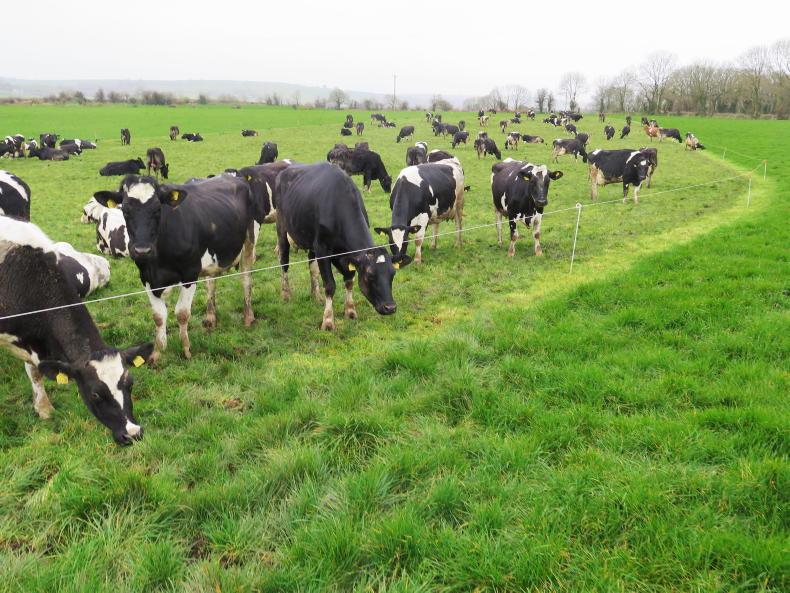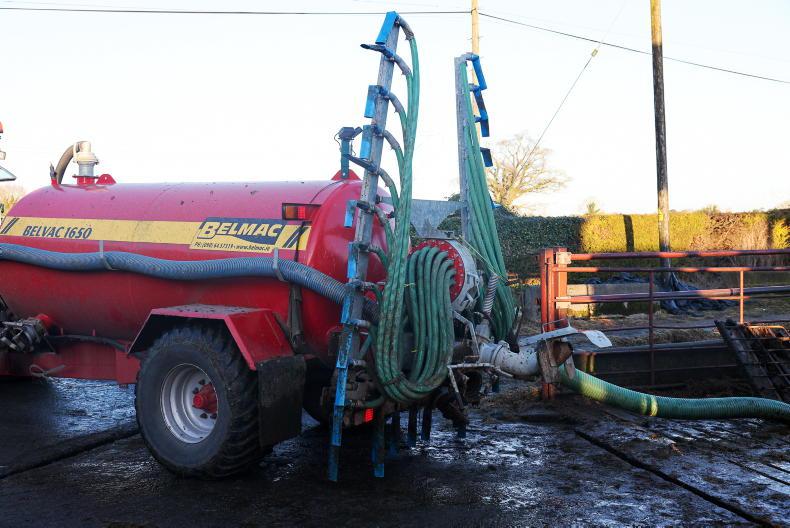
Ground conditions: ground conditions are extremely wet, almost nationwide. Finding dry fields to spread slurry is a big challenge on many farms.
Across most regions, rainfall in November and December exceeded the long-term average by a large amount.
With limited drying due to the short days and lack of sunshine, the impact of this rain is still evident in the fields. Many farmers and contractors have held off on spreading slurry until conditions improve, but time is running out as tanks are filling.
There are a couple of things farmers can do. Firstly, the basic act of agitating slurry in a tank will break up the crust and gain a few inches in capacity.
Secondly, moving slurry around the yard to tanks that have spare capacity makes sense. If the situation is extreme and all tanks are full and fields can’t be travelled, then consider moving slurry off the farm to someone in the locality who has spare capacity.
Organic farmers can import conventional slurry, provided they don’t exceed the 170kg N/ha organic nitrogen limit, but most are well below this and would love to get extra slurry. Umbilical systems have a lighter footprint than a tractor and tanker, but they will still do damage if land is wet. With more rain in the forecast, the next few weeks could be tricky.
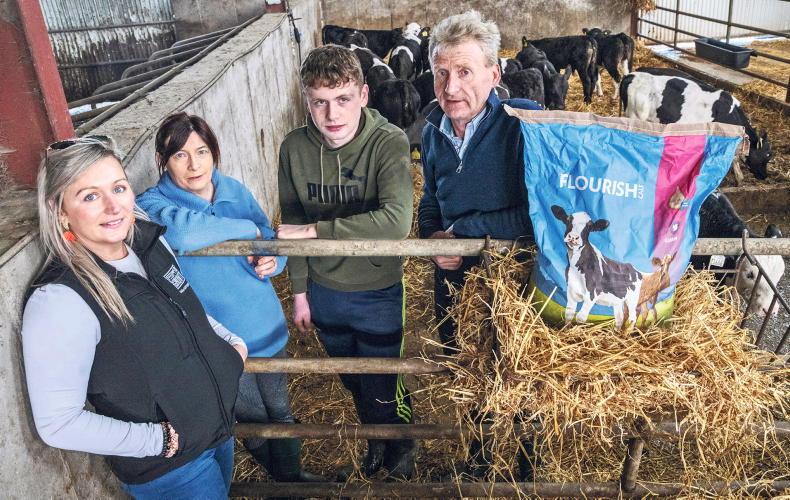
Calving: most dairy farmers are at the ‘calm before the storm’ stage, when it comes to calving. At this stage, cows are going to calve no matter what, so it’s about being as prepared as possible. Do as much as is possible in the next 10 days to save having to do it during February.
These tasks include bedding all calf pens, cleaning drinkers and checking that water is flowing, repairing fences, stripping back as much of the silage pit as possible, ordering calf nuts, milk replacer and everything needed for the dairy, checking calving cameras and lights in sheds, etc.
Don’t forget the people angle when it comes to the spring. It’s a challenging time of year with long hours and hard work.
Make sure employees are being well looked after. I know some farmers will set up a tab in a local restaurant for the farm team to go in each morning and get a hot breakfast at 9am or 10am when the main jobs are done.
Farm owners are leaders of the team and they set the culture. While the primary task is to manage cows, calves and grass, they also have to manage and inspire the people working with them.
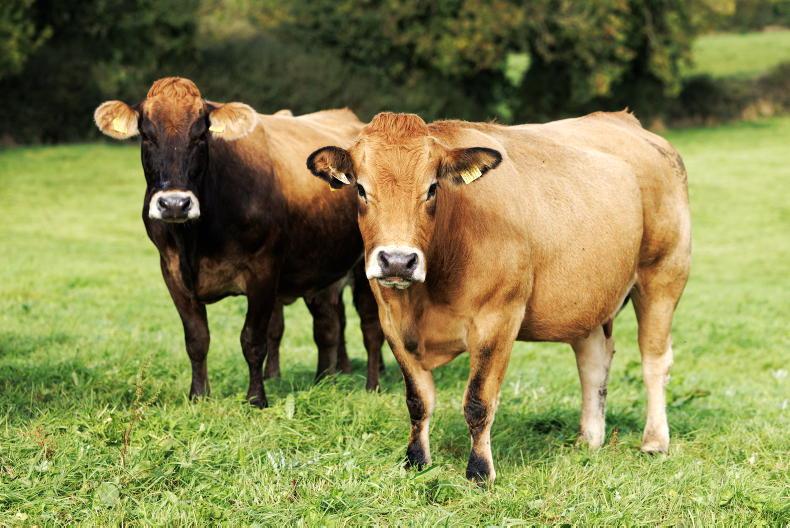
CBV: on pages 46 and 47 we report on the big increase in the Commercial Beef Value (CBV) of calves born in the dairy herd.
The genetic merit for carcase weight in progeny from the dairy herd is no longer negative and if the CBV continues to increase, carcase weight will be higher than the base population. The ICBF analysis shows that CBV is increasing at a rate of 15% per year since 2022, which is massive.
There has been huge buy-in from dairy farmers, aided by sexed semen and better beef bulls. Calf buyers need to be looking at CBV, as it’s very hard to tell the difference between calves at two or three weeks of age. Only calves that have a genotype will have a CBV.