



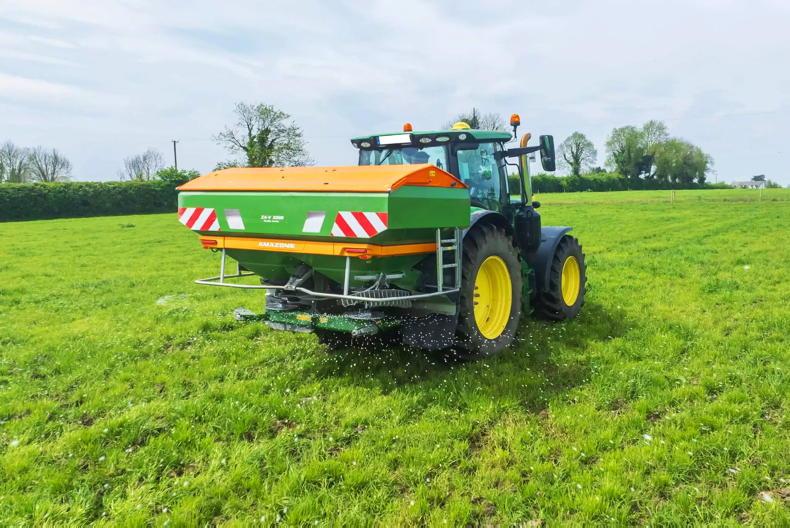
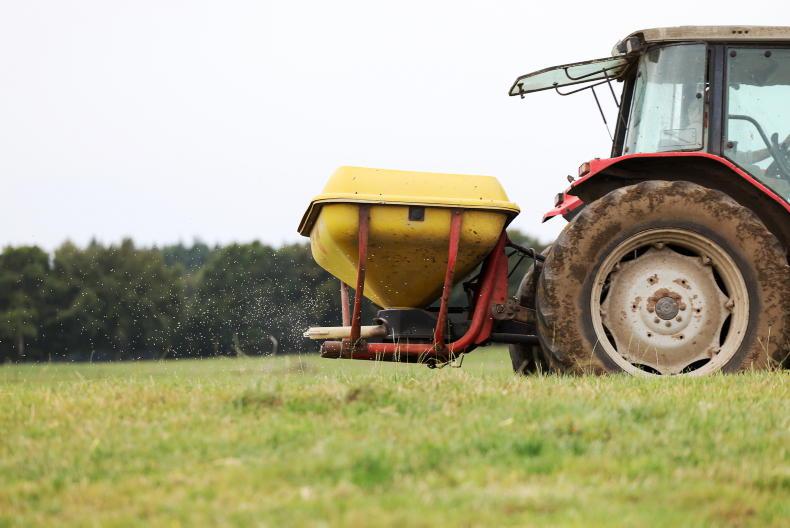
As farms in the west have started to get rain, fertiliser spreaders are back out and about. This is understandable as for many, there has been no chemical nitrogen spread in close to three weeks.
Where growth rates had fallen significantly on farms, there will be a few days of compensatory growth post the rain. This burst of growth causes a natural release of nitrogen that had been idle in the soil from the previous application therefore, spreading more nitrogen at heavy rates can cause grass to go sour.
This is a problem as cows will be unhappy in paddocks and will leave a lot of grass behind them.
With this in mind, it could be better to hold off on spreading for a week to ten days and allow the grass get its natural flush of nitrogen first.
As cows graze paddocks then the normal rate can be applied following them in the rotation.
It’s something to consider and will be even more relevant for farms in the south and east who have had close to a month of stunted growth rates.
Heifers
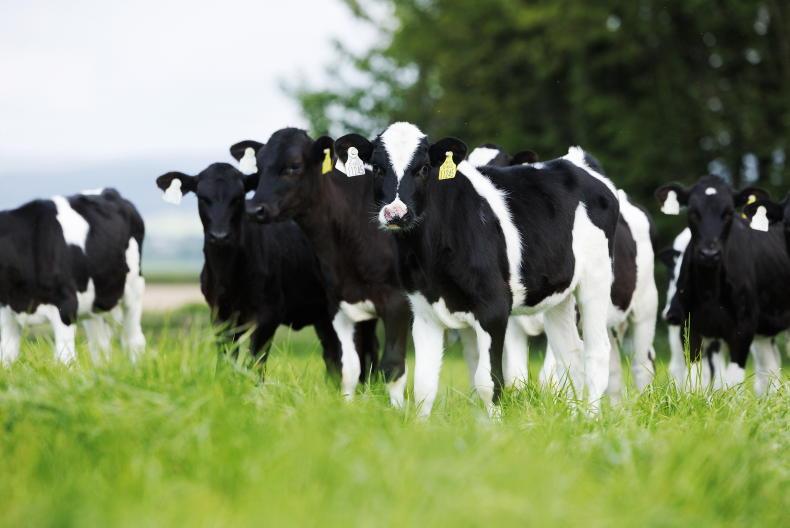
As we approach the beginning of August, this year’s heifer calves are now well into the swing of grazing and should be thriving away.
This group of animals tend to be fairly low-maintenance at this time of year but it’s still important to keep on top of their development.
If it hasn’t been done in the last month to six weeks, weighing these calves can give a nice picture of how the couple of months post-turnout has gone.
It will also help to identify those heifers who aren’t thriving as they should be and allows enough time to separate them out and feed them a kilo or two of meal before it’s too late.
The target for heifer weights at this time of the year is around 30% of mature bodyweight. For a 570kg cow that’s a heifer weighing 171kg and for a 520kg cow that’s a heifer weighing 156kg now.
Use the ICBF ready reckoner to workout the predicted mature weight of the herd based on the maintenance figure and work back then to get the 30% target weight.



SHARING OPTIONS